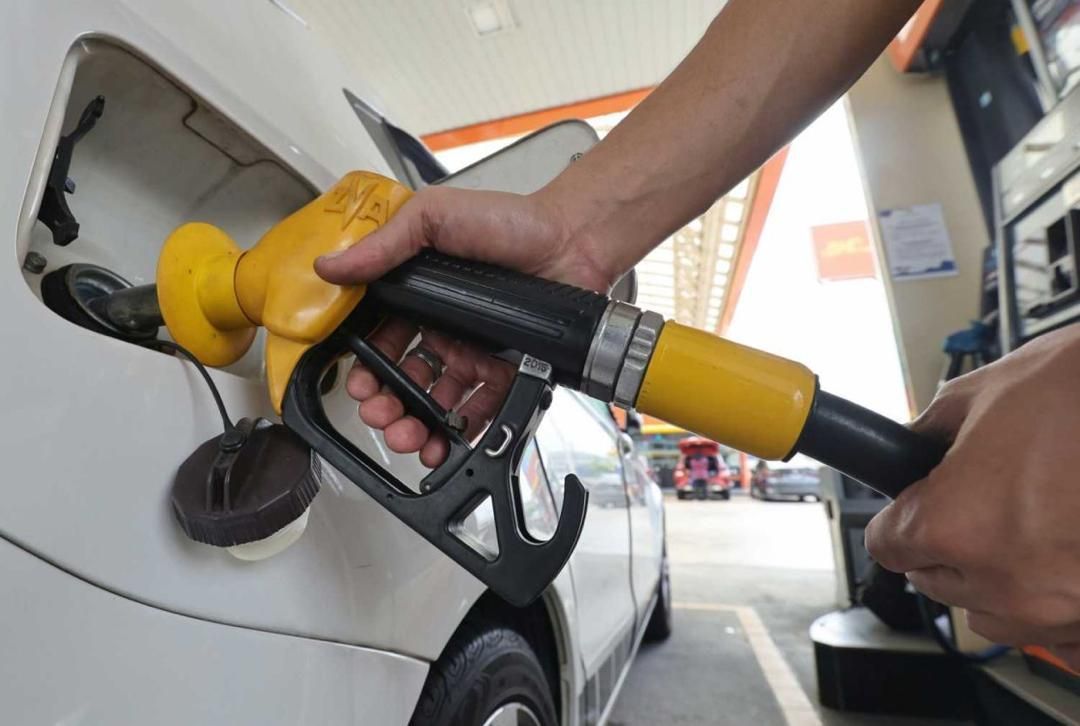
The Malaysian government has announced its capability to continue supporting the price of RON95 gasoline for now, but is prepared to adjust its policy if production costs continue to rise due to the conflict in the Middle East. This announcement comes at a time when global oil prices are experiencing significant fluctuations due to the tense political situation in the region.
In statements made by government officials in Ipoh, they confirmed that the government is closely monitoring the situation and will take necessary actions to protect the local economy and consumers if prices continue to rise. Supporting the price of RON95 gasoline is one of the key policies through which the government aims to alleviate the burdens on citizens.
Details of the Announcement
The Malaysian government seeks to maintain stability in fuel prices, as RON95 gasoline is one of the most widely used fuels in the country. Officials noted that government support for gasoline has helped mitigate the impact of rising global oil prices on local consumers. However, the current tensions in the Middle East, which include armed conflicts and political unrest, could lead to an unexpected increase in oil prices, potentially placing the government in front of new challenges.
It is worth mentioning that the Malaysian government has made adjustments to its fuel support policies in recent years, with previous attempts to reduce subsidies as part of economic reform efforts. However, current conditions may make it difficult to implement such changes without affecting citizens.
Background & Context
Historically, Malaysia has heavily relied on oil and natural gas exports, making it vulnerable to fluctuations in global energy prices. In recent years, the country has witnessed significant economic changes, including government efforts to enhance economic diversification and reduce dependence on oil. Nevertheless, the energy sector still plays a vital role in the Malaysian economy, making fuel price support essential for maintaining social and economic stability.
It should be noted that conflicts in the Middle East, such as the wars in Syria and Yemen, directly affect global oil prices. Any escalation in these conflicts could lead to increased oil prices, negatively impacting oil-importing countries like Malaysia.
Impact & Consequences
If oil prices continue to rise, the Malaysian government may have to take more drastic measures, such as reducing subsidies or increasing fuel taxes. These steps could lead to increased financial burdens on citizens, potentially provoking public discontent and affecting political stability. Additionally, any change in subsidy policy could impact inflation levels, leading to negative repercussions for the economy as a whole.
On the other hand, these challenges may push the government to seek alternative energy sources, which could contribute to enhancing environmental sustainability and reducing dependence on fossil fuels. If effective strategies are implemented, Malaysia may be able to improve its economic situation in the long term.
Regional Significance
Arab countries are also affected by fluctuations in oil prices, as these nations are among the largest producers and exporters of oil in the world. Any increase in oil prices due to conflicts in the Middle East could impact the economies of these countries, leading to increased burdens on citizens. Additionally, Arab countries that rely on oil imports will face greater challenges amid rising prices.
In conclusion, the current situation in Malaysia illustrates how regional crises can influence local policies, necessitating governments to make difficult decisions to maintain their economic and social stability.