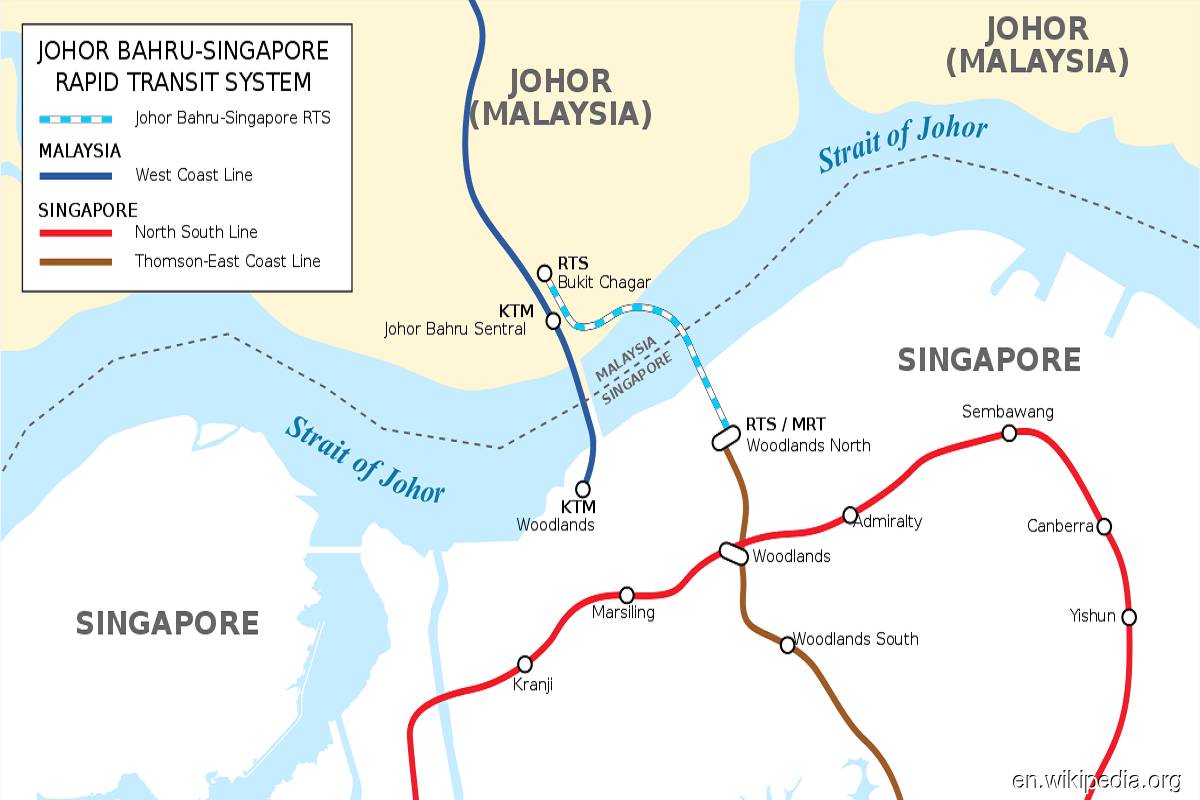
The Singaporean government has introduced a new bill that permits the application of Malaysian border laws in a designated area of the Woodlands North station, part of the rapid transit system linking Singapore and Johor Bahru. This initiative aims to streamline border operations and improve the travel experience for passengers traveling between the two nations.
The designated area will serve as a customs, immigration, and Malaysian quarantine zone, where Malaysian officers will be empowered to inspect travel documents, screen travelers, and deny entry to individuals or goods heading to Malaysia. However, Singaporean laws will remain in effect in this area, meaning that the authority of Malaysian officers will be limited to their official duties.
Details of the Legislation
The bill titled "Cross-Border Rail (Border Control Coordination)" was presented by Second Minister for Home Affairs Edwin Tong in Parliament. The law stipulates that Malaysian officers will be granted certain protections and privileges while performing their duties in Singapore, as they will be considered public servants, meaning that crimes committed against them will be addressed under Singaporean laws.
It is important to note that Malaysian officers will not be authorized to make arrests in Singapore, and in the event of detaining any person or item, they must transfer custody to a Singaporean officer as soon as possible. Additionally, Malaysian officers working in Singapore will require the approval of the Singaporean Minister for Home Affairs, who can grant or revoke this approval without providing reasons.
Background & Context
This bill is part of ongoing efforts to enhance cooperation between Singapore and Malaysia in the areas of transportation and border control. The RTS Link rapid transit system is expected to commence operations by the end of 2026, enabling the transport of up to 10,000 passengers per hour in each direction, significantly reducing travel time between Woodlands North and Bukit Chagar to approximately five minutes.
Malaysia already has similar legislation in place, with the rapid transit system law between Johor Bahru and Singapore passed last month. This collaboration also includes coordination of authorities in security and safety matters, with each country continuing to manage security operations within its territory.
Impact & Consequences
This law represents a significant step towards improving coordination between the two countries, facilitating the movement of travelers and strengthening economic ties. It also ensures the safety of passengers by providing a clear legal framework for addressing incidents that may occur on trains or at railway stations.
Furthermore, this system will contribute to enhancing border security, as it will enable officers to perform their duties more efficiently, reducing the chances of smuggling or illegal entry. The presence of officers from both countries at the stations reflects a high level of bilateral cooperation.
Regional Significance
Although this news pertains to cooperation between Singapore and Malaysia, it underscores the importance of regional collaboration in transportation and security. Arab countries could benefit from this model to enhance cooperation among their nations in similar fields, contributing to improved trade and tourism flows.
In conclusion, this bill represents a positive step towards strengthening cooperation between Singapore and Malaysia, highlighting the importance of coordination in border and transportation matters to achieve mutual benefits.