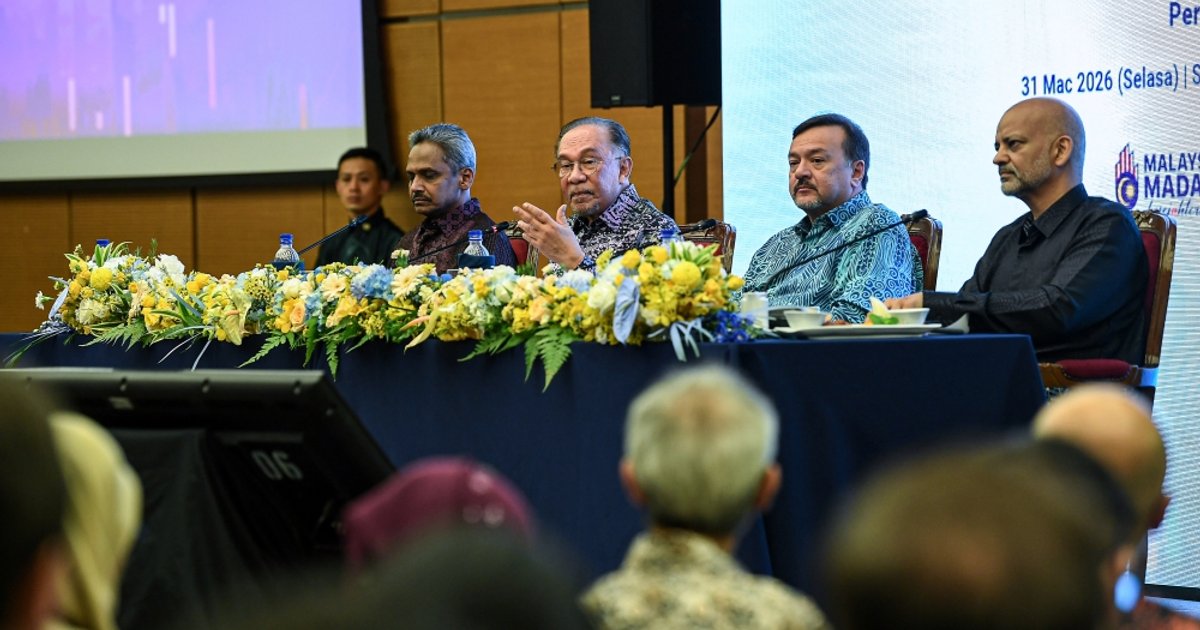
The Malaysian government has strongly denied the claims made in a report by Bloomberg, which alleged that Malaysian Prime Minister Anwar Ibrahim instructed a delay in disclosing the results of investigations concerning the head of the Malaysian Anti-Corruption Commission, Azam Baki. This statement was made by the Secretary-General of the Government, Shamsul Azri Abu Bakar, who confirmed that procedures have already commenced following the presentation of the investigation committee's results at a cabinet meeting on March 11 of this year.
Shamsul Azri explained that the investigations are being conducted in accordance with applicable procedures and regulations, and that any new developments will be announced in due course. He also indicated that the Attorney General's office will take legal action against Bloomberg due to this allegation.
Details of the Incident
These statements come at a sensitive time for the Malaysian government, which is facing multiple challenges related to corruption and transparency. Bloomberg had claimed that there were interventions in the timeline for disclosing the results of the investigations, raising questions about the integrity of the process. In this context, Shamsul Azri affirmed that the government is committed to transparency and will continue to operate in accordance with the laws in force.
This case is one of the prominent issues capturing the attention of the Malaysian public, as Azam Baki is a pivotal figure in the country's fight against corruption. He was appointed to his current position in 2020 and has since faced numerous challenges related to investigations into corruption cases.
Background & Context
Historically, Malaysia has suffered from significant corruption issues, most notably the 1MDB scandal that shook the nation and affected its international reputation. This case led to major political changes, resulting in the ousting of the previous government in 2018. Since then, the new government has been striving to restore public trust by enhancing transparency and combating corruption.
In recent years, Malaysia has witnessed increased efforts to combat corruption, with special investigation committees established and strict laws implemented. However, significant challenges remain, as cultural and administrative changes are required to ensure the success of these efforts.
Impact & Consequences
The Malaysian government's denial of delaying the disclosure of investigation results reflects its desire to maintain credibility before the Malaysian people and the international community. Emphasizing transparency and integrity in dealing with corruption cases is vital for restoring trust in government institutions.
This issue may also affect the relationship between the government and the media, as allegations of interference in media reports could lead to strained relations. It is important for the government to promote press freedom and ensure that it is not subjected to pressure.
Regional Significance
Corruption and its combat are significant issues in many Arab countries, where numerous governments face similar challenges. Malaysia's experience in addressing corruption issues could serve as a model for Arab nations seeking to enhance transparency and integrity.
Enhancing transparency and combating corruption are fundamental factors for achieving sustainable development in any country. Therefore, monitoring the developments of this case in Malaysia may hold great importance for Arab countries striving to improve their economic and political conditions.