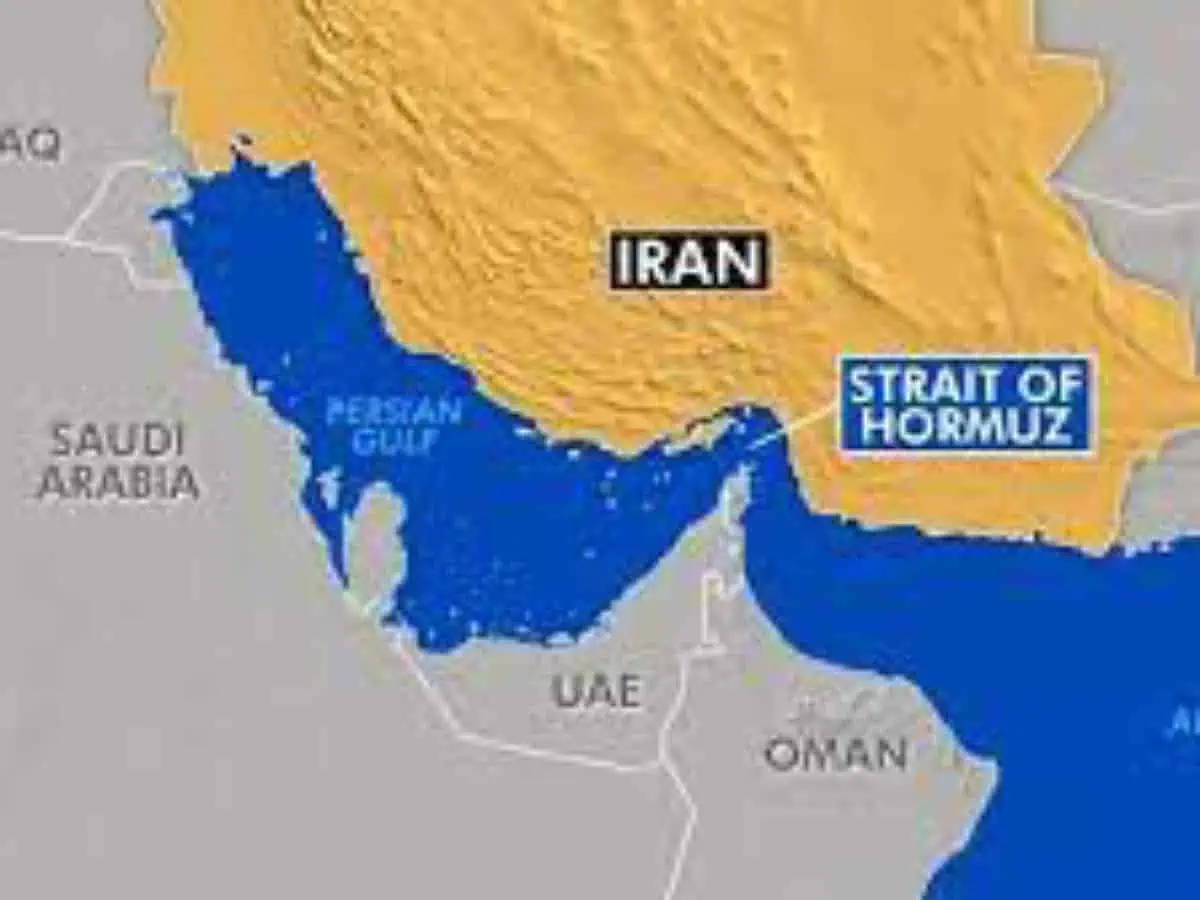
A Malaysian ship successfully crossed the Strait of Hormuz safely, following diplomatic coordination with Tehran, according to a statement from the Malaysian Ministry of Foreign Affairs. This crossing occurs amid a decline in maritime traffic due to regional tensions.
The Malaysian Ministry of Foreign Affairs announced on Tuesday that the ship is continuing its journey to its final destination after receiving safe passage permission. The ministry did not disclose the name of the ship or the nature of its cargo, but clarified that this vessel is one of seven Malaysian commercial ships stranded in the strait. The permission for its passage resulted from high-level diplomatic efforts, including a phone call that took place late last month between Malaysian Prime Minister Anwar Ibrahim and Iranian President Masoud Bezhkishan.
Details of the Event
According to data from the London Stock Exchange Group and the company "Kpler", the oil tanker "Ocean Thunder", chartered by "Petco" of Petronas, crossed near the Iranian coast loaded with approximately one million barrels of Basra heavy crude, on its way to Pengerang in Malaysia. This crossing comes at a time when maritime traffic is experiencing a sharp decline, as Iran has effectively closed the strait through which approximately 20% of global oil and liquefied natural gas flows pass.
Reports indicate that the number of ships that crossed the strait did not exceed 66 vessels during the first eight days of the crisis, rising to 77 vessels over ten days. Meanwhile, the total number of vessels crossing since the beginning of the crisis remained below 200 vessels until early April, compared to more than 120 vessels daily under normal conditions.
Background & Context
The Strait of Hormuz is considered one of the most important waterways in the world, through which a significant portion of global oil trade passes. The region has witnessed increasing tensions in recent years, particularly with the escalation of conflict between Iran and the United States and its allies. These tensions have led to the effective closure of the strait, negatively impacting maritime traffic and global trade.
Through this step, Malaysia aims to enhance its position on the international stage and support freedom of navigation under international law. This crossing also reflects the importance of diplomacy in resolving conflicts and achieving security in the region.
Impact & Consequences
This crossing is seen as a positive step given the current circumstances, reflecting the ability of countries to cooperate and coordinate in facing challenges. It is expected that this move will contribute to improving maritime traffic in the region, potentially restoring confidence in maritime trade.
However, the situation in the region remains fragile, as any new escalations could affect maritime traffic and trade. Therefore, continued dialogue and cooperation among the concerned countries will be essential to maintain regional stability.
Regional Significance
This event holds particular importance for Arab countries, as many of these nations rely on the Strait of Hormuz as a main route for exporting oil and gas. Any deterioration in the security situation in the region could directly impact the economies of these countries.
Thus, enhancing cooperation between Arab countries and others in the region will have a positive impact on the stability of navigation and trade, contributing to economic growth in the area.
In conclusion, the crossing of the Malaysian ship through the Strait of Hormuz underscores the importance of diplomacy in achieving security and stability, emphasizing the necessity of cooperation among nations to address common challenges.