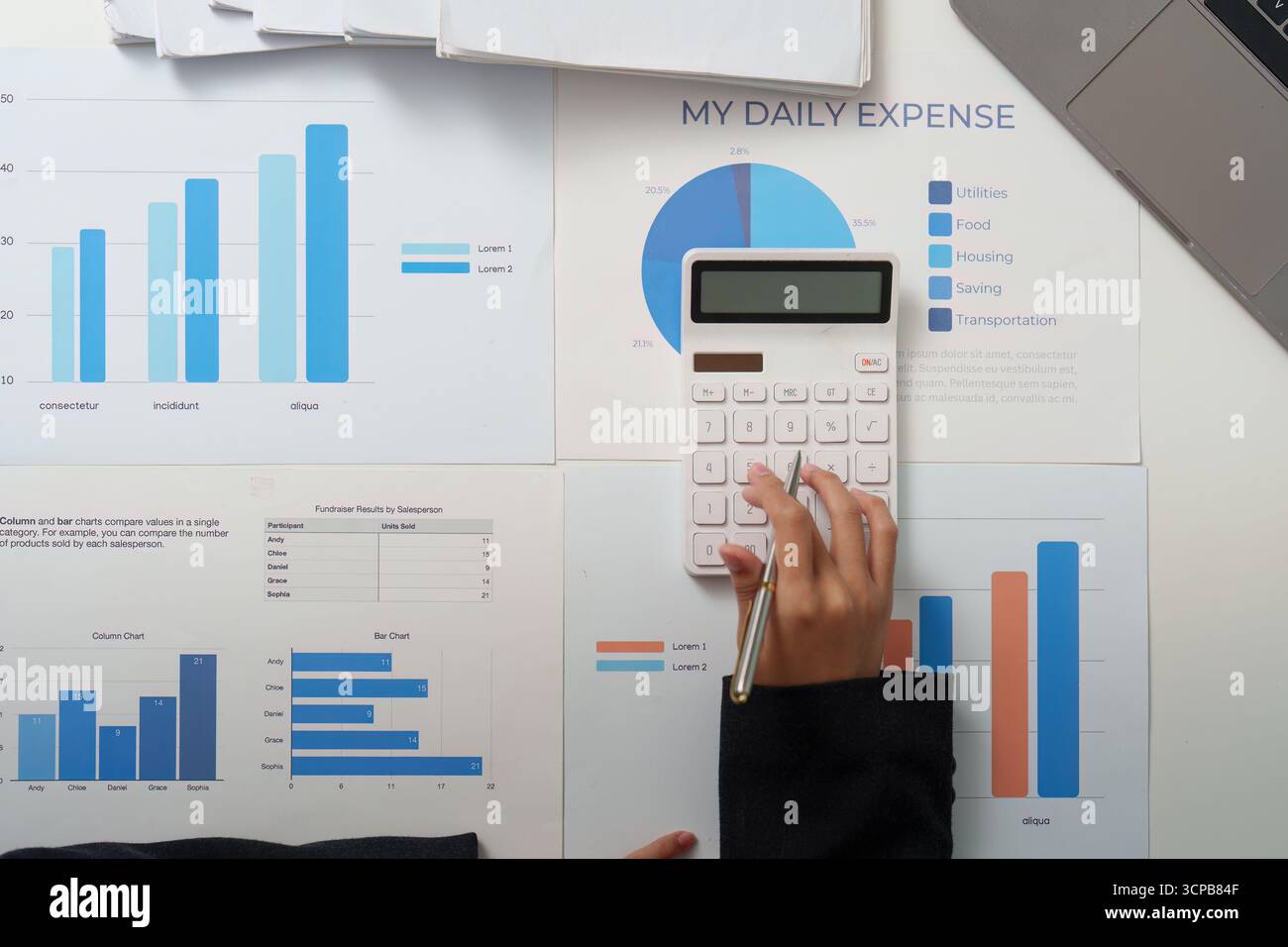
Daily expenses are significantly rising, leading to the depletion of salaries without many individuals being aware of it. These expenses vary between essential needs and unnecessary expenditures, necessitating attention to how money is managed.
In the current economic climate, many individuals are experiencing increasing financial pressures. With the rising cost of living, many find themselves facing significant challenges in managing their monthly budgets. These challenges include expenses such as electricity and water bills, transportation costs, and food needs, along with potentially unnecessary entertainment expenses.
Details of the Situation
Studies indicate that many individuals are unaware of the magnitude of their daily expenses. For instance, the average person's spending on coffee or fast food can exceed 20% of their monthly salary. This situation calls for a reevaluation of consumption habits, as reducing these expenses can lead to substantial savings over the long term.
Moreover, promotional offers and discounts contribute to increased temptations to spend, making it difficult for individuals to control their budgets. Therefore, it is important to raise awareness about how to manage money effectively.
Background & Context
Historically, many Arab countries have faced economic crises that led to rising inflation rates and increased living costs. In recent years, these crises have worsened due to several factors, including global political and economic crises, which have directly impacted individuals' purchasing power.
In this context, it has become essential for individuals to adopt effective strategies for managing their budgets. This includes setting clear financial plans, prioritizing spending, and avoiding harmful consumption habits.
Impact & Consequences
Daily expenses significantly affect individuals, as they can lead to psychological stress due to financial anxiety. Additionally, the inability to control expenses may result in increased debt, negatively impacting the financial stability of families.
Furthermore, these financial challenges may affect the economy as a whole, as a decline in consumer spending can lead to slower economic growth. Therefore, it is crucial to enhance financial awareness among individuals and communities.
Regional Significance
In the Arab region, income and spending levels vary between countries, making it necessary for each country to adopt its own strategies to address these challenges. Some countries may need to enhance social support programs, while others can focus on improving financial education for individuals.
In conclusion, the current situation requires individuals to reconsider their consumption habits and manage their finances more effectively. Good financial planning can contribute to achieving financial stability and reducing daily pressures.