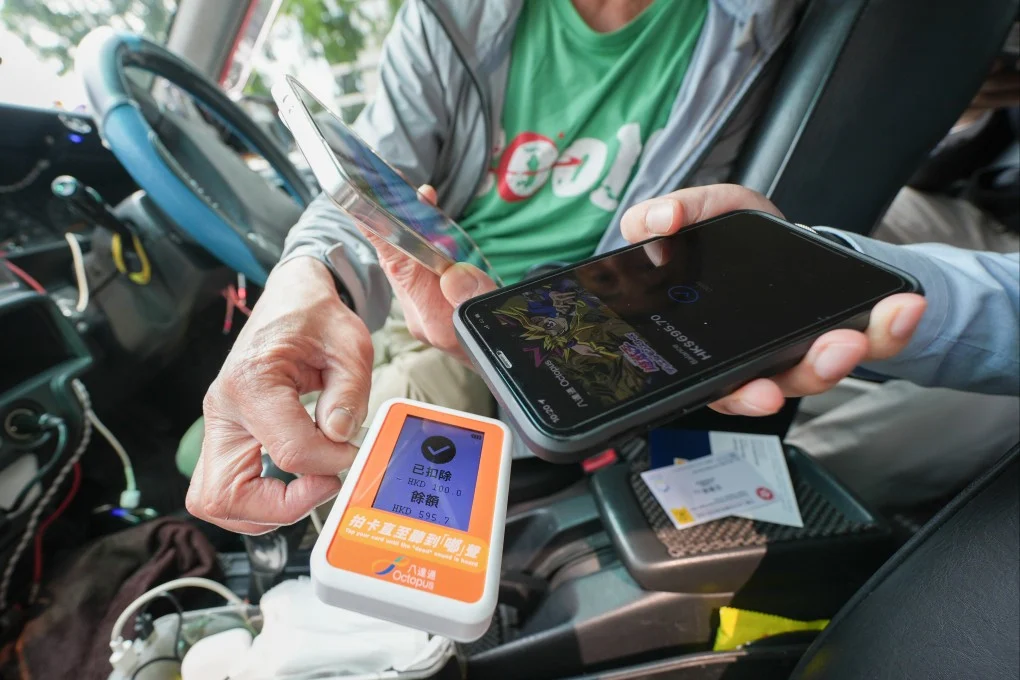
Hong Kong began implementing a mandatory electronic payment system for taxis on April 1, requiring all drivers to offer at least two electronic payment options, including a QR code and an alternative electronic method. However, reports indicate that many taxi drivers have yet to install these options, highlighting the digital challenges they face.
The government aims to enhance passenger experience and improve transportation service efficiency through this initiative, but the unpreparedness of some drivers may complicate matters initially. Some drivers have indicated they are struggling to understand how to use these new systems, raising questions about how to address this digital divide.
Details of the New Payment System
The new laws require taxi drivers to provide multiple electronic payment options, marking an important step towards digital transformation in the transportation sector. However, the unpreparedness of some drivers could lead to job losses or a decrease in the number of passengers choosing to use taxis. Some drivers have expressed concerns that these systems may be complex or costly at first.
This step is part of the government's efforts to promote innovation in the city, as Hong Kong seeks to become a leading hub in financial technology. However, the digital divide among drivers may hinder these efforts, necessitating additional government interventions to train drivers and provide technical support.
Background & Context
Historically, Hong Kong has been one of the first cities to adopt electronic payment systems across various sectors. However, digital transformation has not been uniform across all social classes. Many drivers face technology-related challenges, underscoring the need for training programs and technical support.
This initiative is part of a broader vision to improve the quality of life in the city, with the government aiming to enhance the use of technology in daily life. However, the digital divide could exacerbate social inequalities, calling for serious steps to address these issues.
Impact & Consequences
These challenges may lead to negative impacts on the transportation sector in Hong Kong, as passengers may avoid using taxis that do not offer electronic payment options. Additionally, the unpreparedness of drivers could result in a decline in their income, increasing economic pressures on them.
Moreover, the digital divide may exacerbate disparities between drivers who possess the necessary technical skills and those who do not. Therefore, addressing these issues requires efforts from both the government and civil society to ensure that all drivers can benefit from digital transformation.
Regional Significance
The experience of Hong Kong in implementing electronic payment systems serves as an important lesson for many Arab countries seeking to enhance the use of technology in transportation and services. These countries can learn from both the successful and unsuccessful experiences in Hong Kong to avoid digital gaps.
Furthermore, promoting the use of electronic payments can contribute to improving passenger experience and increasing service efficiency, aligning with global trends towards digital transformation. Therefore, cooperation among Arab countries in this field can foster innovation and improve service quality.