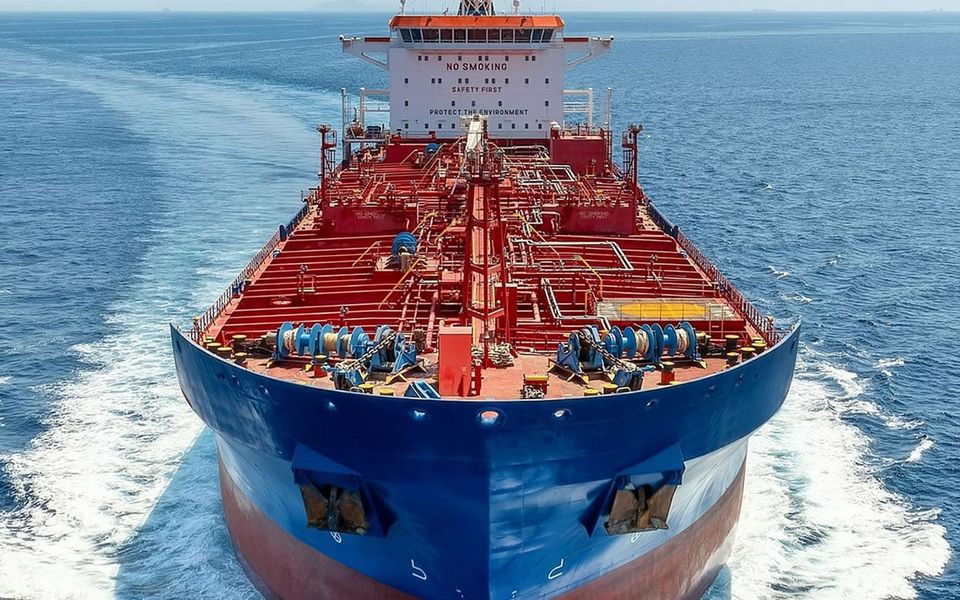
Recent reports indicate that the marine shipping sector in the region will require up to 6 months to fully recover following the reopening of the Strait of Hormuz, one of the most important waterways in the world. This warning comes at a time when the region is experiencing increasing tensions that are impacting maritime traffic.
The Strait of Hormuz is a vital point for transporting oil and natural gas, with approximately 20% of total global oil exports passing through it. Therefore, any closure or disruption in this corridor can lead to serious repercussions for the global economy, in addition to its direct impact on oil prices.
Details of the Situation
Concerns are growing that the ongoing tensions in the region may delay shipping operations, affecting global supply chains. Experts in the sector have noted that full recovery depends on the stabilization of security conditions in the area, as well as restoring companies' confidence in their ability to transport goods safely.
Reports also indicate that companies operating in the marine shipping sector have already begun taking precautionary measures, such as increasing insurance on ships and altering shipping routes to avoid volatile areas. These steps may lead to increased costs, which will be reflected in the prices of goods in global markets.
Background & Context
Historically, the Strait of Hormuz has witnessed numerous crises that have led to its closure for extended periods, significantly impacting the global economy. In 2019, for example, the region saw a rise in tensions between Iran and the United States, resulting in threats to close the strait.
These crises are part of a broader conflict in the region, where economic and political interests intersect. As tensions escalate, it becomes essential for the involved countries to take diplomatic steps to ensure the stability of maritime navigation.
Impact & Consequences
If the situation remains unchanged, the repercussions will be widespread. An increase in shipping costs is expected to lead to higher oil and gas prices, which will affect the global economy as a whole. Additionally, countries that rely on energy imports will face further challenges in securing their needs.
Moreover, the effects will not be limited to the economy alone; they will also encompass political relations between countries. The worsening situation could escalate military tensions, threatening regional security.
Regional Significance
For Arab countries, the situation in the Strait of Hormuz poses a significant challenge, as many of these nations depend on their oil exports. Any disruption in shipping traffic can directly impact the revenues of these countries, reflecting on their economic stability.
Under these circumstances, it becomes crucial for Arab nations to collaborate to ensure regional stability. Diplomacy can play a vital role in easing tensions and ensuring the safety of maritime navigation.
Recovery from crises in the marine shipping sector requires time and efforts from all parties involved. Given the current challenges, there remains hope that the international community can find diplomatic solutions that ensure regional stability.