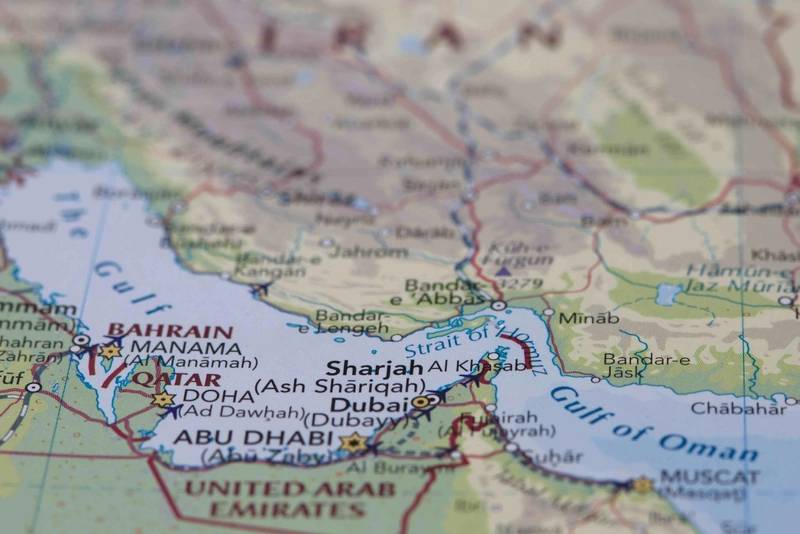
Maritime traffic in the Strait of Hormuz has resumed following the implementation of a two-week ceasefire. This development is crucial for the region, as the strait is a vital artery for global trade. It is noteworthy that approximately 20% of the world's oil passes through the Strait of Hormuz, making it a strategically important point.
This step comes after escalating tensions in the region, where several maritime incidents in recent weeks have affected trade movement. The ceasefire was announced after intensive diplomatic efforts by several countries, raising hopes for stability in the area.
Details of the Event
According to reports, ships have begun moving to and from ports in the region, indicating a resumption of commercial activity. Several shipping companies have announced the resumption of their operations, reflecting growing confidence in the stability of the situation. Local authorities have also confirmed the implementation of additional security measures to ensure safe navigation.
At the same time, some observers have noted that this step may be temporary, as concerns about renewed tensions remain. Nevertheless, the resumption of maritime traffic is seen as a positive step towards achieving stability in the region.
Background & Context
Historically, the Strait of Hormuz has been the scene of numerous conflicts, with ongoing tensions between major powers. In recent years, tensions have escalated due to the Iranian-American conflict, significantly impacting maritime traffic. These tensions have led to rising oil prices and fluctuations in global markets.
In 2019, the strait witnessed a series of attacks on oil tankers, raising concerns within the international community. These events have led to increasing calls for securing navigation in the region, as any disruptions in maritime traffic pose a threat to global economies.
Impact & Consequences
The resumption of maritime traffic in the Strait of Hormuz is a significant step not only for local economies but also for the global economy. With shipping resuming, oil prices are expected to decrease, potentially alleviating economic pressures on consuming countries.
Moreover, stability in the strait could enhance investor confidence in the region, potentially leading to increased foreign investments. However, the question remains about the sustainability of this stability amid ongoing tensions.
Regional Significance
For Arab countries, stability in the Strait of Hormuz is vital, as many nations rely on oil as a primary source of revenue. Any disruptions in navigation could negatively impact the economies of these countries, making it essential to enhance regional cooperation to ensure maritime security.
In conclusion, this development underscores the importance of diplomatic dialogue in resolving conflicts. The resumption of maritime traffic in the Strait of Hormuz is a positive step towards achieving stability, but the greatest challenge remains maintaining this stability in the face of future tensions.