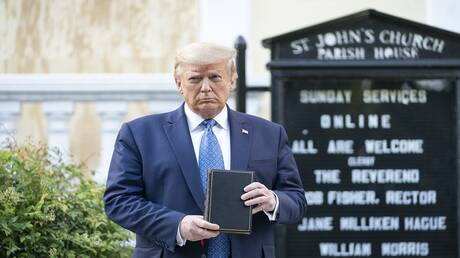
In a controversial statement, former Congresswoman Marjorie Taylor Greene has attacked former President Donald Trump, criticizing his threats against Iran as 'madness' and 'evil.' These criticisms arise at a sensitive time when tensions between the United States and Iran are escalating, prompting questions about the foreign policies endorsed by Trump.
Greene, who was one of Trump's staunchest supporters during his presidency, expressed her astonishment at Trump's remarks regarding Iran, noting that these threats do not align with Christian teachings that advocate for peace and love. She emphasized that a war against Iran, seen as a defense of Israel, is unjustified, reflecting a shift in her stance on some policies she previously supported.
Details of the Event
Recently, Trump made provocative statements about the possibility of military action against Iran, which elicited mixed reactions in political circles. Greene, who was considered a close ally of Trump, seized this opportunity to voice her concerns about potential escalation, arguing that such statements could lead to dire consequences on both regional and international levels.
Greene also criticized Trump for what she referred to as the 'Epstein files,' indicating that these issues reflect a moral instability in certain political decisions. She asserted that focusing on war rather than diplomatic dialogue is an unwise approach, especially given the current conditions in the region.
Background & Context
Historically, U.S.-Iran relations have been marked by increasing tensions, particularly following the U.S. withdrawal from the nuclear agreement in 2018. This withdrawal escalated crises between the two nations, as Iran took steps to advance its nuclear program, heightening concerns in Washington.
In this context, Greene's position serves as an indicator of divisions within the Republican Party regarding how to handle Iran. While some members prefer a hardline stance, others advocate for more diplomatic strategies. These divisions could impact U.S. foreign policy in the future, especially with the presidential elections approaching.
Impact & Consequences
Greene's statements may enhance the discussion surrounding U.S. foreign policies, particularly regarding Iran. Such criticisms could prompt some Republicans to reassess their positions, potentially influencing upcoming electoral campaigns.
Moreover, these remarks could open the door for further discussions about the role of the United States in the Middle East and how to achieve peace and stability in the region. Given the rising tensions, there may be an urgent need to reconsider current strategies.
Regional Significance
The tensions between the United States and Iran significantly impact security and stability in the Arab region. As these tensions escalate, the risks to neighboring countries, especially those with close ties to Washington, increase.
Any escalation in the situation could lead to negative repercussions on the regional economy, affecting the lives of citizens in those countries. Therefore, discussions about U.S. foreign policies, as reflected in Greene's statements, gain particular importance in this context.
In conclusion, Marjorie Taylor Greene's remarks regarding Trump and Iran highlight the divisions within the Republican Party and reflect the growing concern over U.S. foreign policies. Given the current circumstances, the pressing question remains: how will these dynamics affect the future of U.S.-Iran relations and security in the region?