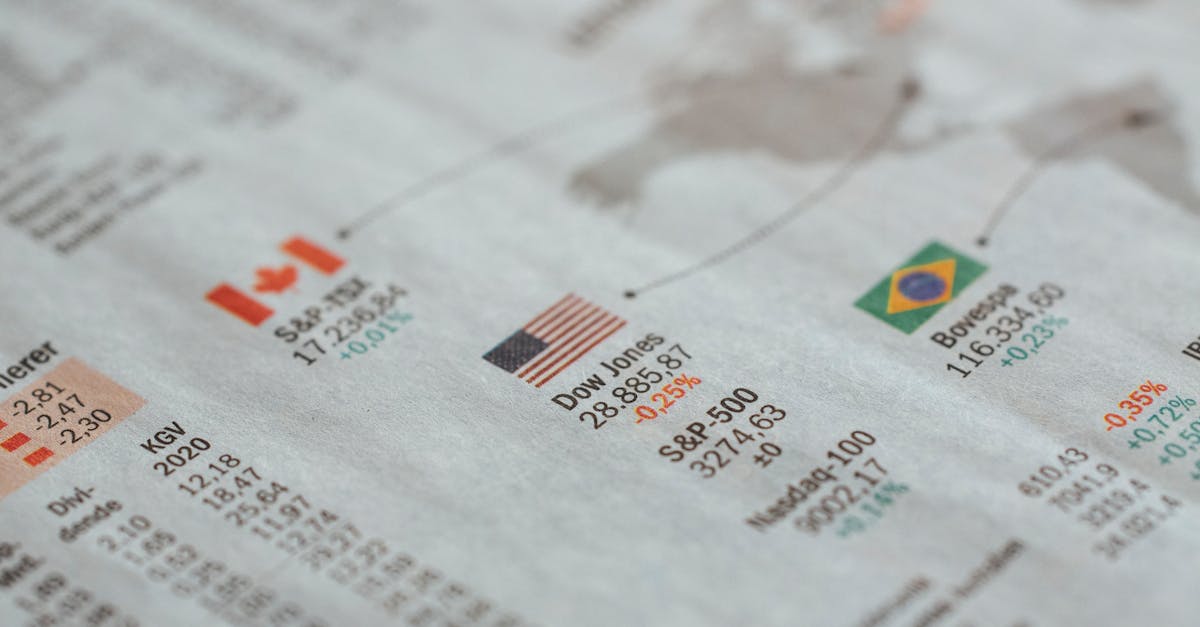
Attention is focused on financial markets as the deadline set by U.S. President Donald Trump for Iran approaches, with increasing fears of sharp fluctuations that could impact global market stability. This situation arises amidst escalating tensions between the United States and Iran, which could lead to widespread repercussions for the global economy.
Investor sentiment is fraught with anxiety, as forecasts suggest that any escalation in relations between the two countries could result in rising oil prices, negatively affecting economic growth in many nations. Additionally, financial markets may face pressure due to political and economic uncertainty.
Details of the Event
The deadline referenced by Trump pertains to the Iranian nuclear agreement, which expires later this month. The U.S. administration has expressed its readiness to impose new sanctions on Iran if it fails to meet its commitments. This move could exacerbate conditions in the Middle East, where Iran is considered a key player in numerous regional conflicts.
Simultaneously, markets are closely monitoring Iranian responses to these threats, as Iran may resort to escalatory measures, further heightening tensions in the region. These dynamics could influence oil prices, which have experienced significant volatility recently.
Background & Context
The roots of the current tensions between the United States and Iran trace back to the U.S. withdrawal from the nuclear agreement in 2018, which aimed to restrict Iran's nuclear program. Since then, the United States has imposed a series of economic sanctions on Iran, leading to a deterioration of the economic situation in the country.
Iran is one of the largest oil producers in the world, and any escalation in conflict could affect global oil supplies, impacting energy prices and the economies of oil-importing countries.
Impact & Consequences
Without a diplomatic resolution, potential escalation could lead to negative reactions from financial markets, as investments may shift towards safe-haven assets like gold and the U.S. dollar. Furthermore, rising oil prices could adversely affect inflation in many countries.
Some analyses predict that these conditions could lead to increased volatility in financial markets, creating new investment opportunities but also significant risks for investors. Therefore, investors must exercise caution in their decision-making during this sensitive period.
Regional Significance
Tensions between the United States and Iran directly impact Arab countries, especially those that rely on oil as a primary source of revenue. Any rise in oil prices could lead to increased oil revenues in some nations, but it may also create economic pressures on importing countries.
Moreover, stability in the region heavily depends on the relationships between major powers like the United States and Iran. Any escalation in conflict could worsen humanitarian and political crises in the region, necessitating that Arab nations adopt strategic positions to confront these challenges.
In conclusion, financial markets remain on high alert for the forthcoming developments, as investors and analysts must closely monitor the situation to assess potential risks and opportunities.