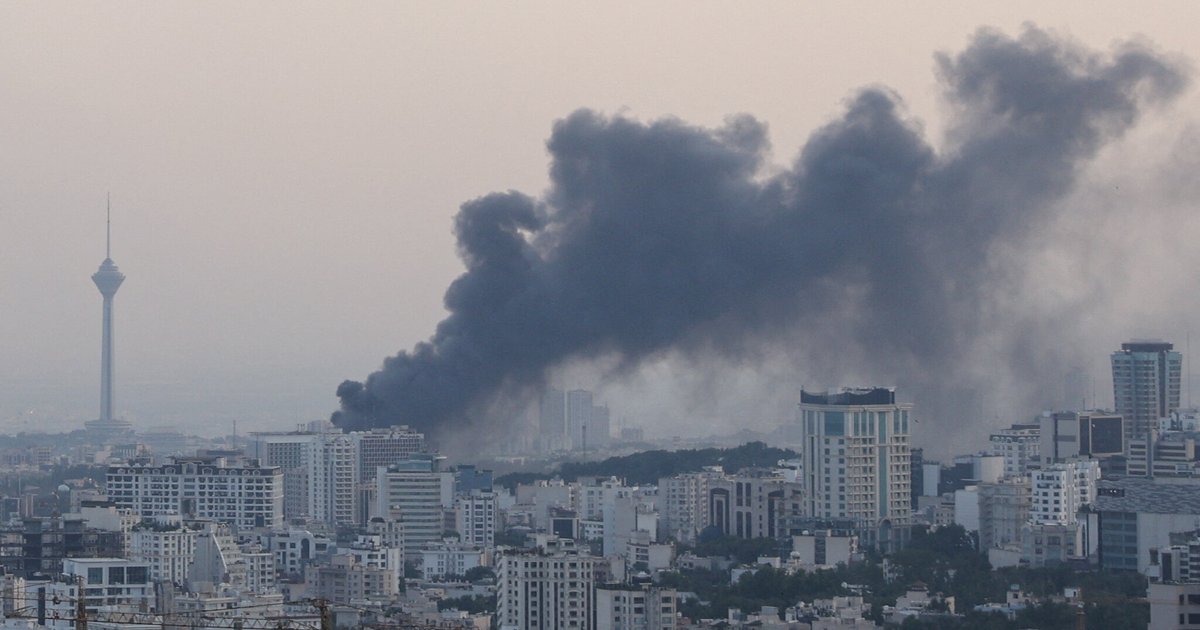
Cameron Dawson, the Chief Investment Officer at NewEdge Wealth, has noted a remarkable optimism in financial markets about the possibility of a quick end to the war in Iran. This optimism comes at a time when tensions in the region are escalating, raising questions about the implications for global economic stability.
Dawson believes that markets still hope for a rapid resolution to the conflict, which could lead to price stabilization and economic growth. He points out that these hopes may influence investor decisions in the coming period, as many seek to capitalize on any potential improvement in conditions.
Event Details
The war in Iran, which began several months ago, has led to heightened tensions in the region and significantly impacted oil prices and financial markets. The markets have experienced considerable volatility in response to news and developments related to the conflict.
Despite this volatility, the optimism Dawson referred to reflects investors' desire to restore stability. This optimism is based on several factors, including diplomatic efforts by major powers to reach an agreement that would end the conflict.
Background & Context
Historically, Iran has been at the center of numerous conflicts in the region, playing a crucial role in regional politics and economics. The current conflict reflects ongoing tensions between Iran and Western nations, which relate to Iran's nuclear program and its support for armed groups in the region.
These conflicts often affect global oil markets, as Iran is one of the largest oil producers in the world. Any escalation in the conflict could lead to rising oil prices, which would impact the global economy as a whole.
Impact & Consequences
If the optimism regarding the end of the war in Iran materializes, it could lead to stabilization in oil prices and financial markets. This stability could enhance economic growth in many countries, particularly those that rely on oil as a primary source of revenue.
On the other hand, if the war continues or escalates, we may witness negative impacts on global markets, potentially leading to economic recession in some countries. Therefore, monitoring developments in the conflict will be vital for investors and decision-makers.
Regional Significance
The Arab countries neighboring Iran are among the most affected by the conflict. Any escalation in the fighting could lead to security and economic repercussions in the region, affecting oil prices and investment flows.
Thus, stability in Iran could have a positive impact on Arab countries, potentially leading to enhanced economic and security cooperation among these nations.
In conclusion, optimism regarding the end of the war in Iran remains contingent on the unfolding events. While investors hope for market stability, the reality may present new challenges that require careful monitoring.