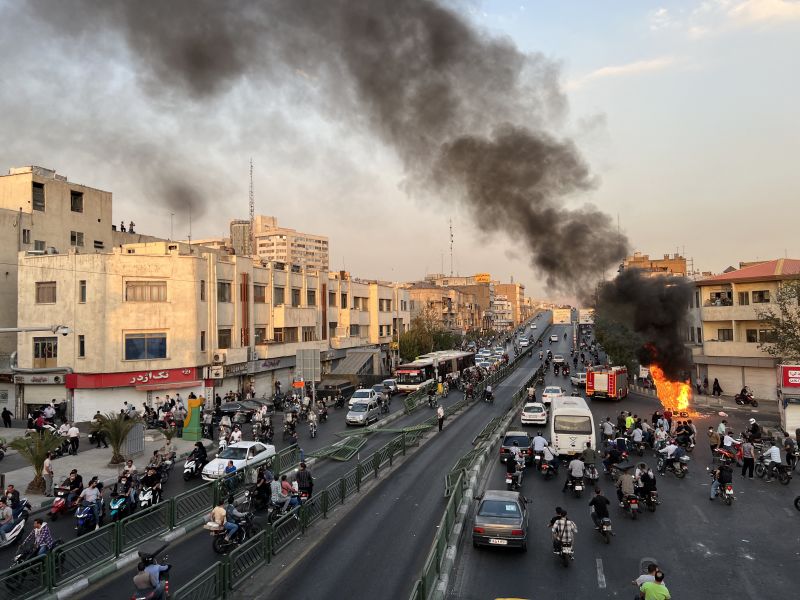
Israel has seen massive protests against a potential war on Iran, with demonstrators gathering in several major cities such as Tel Aviv and Jerusalem, expressing their fears about the repercussions of any military escalation. These protests come at a sensitive time, as the Israeli military faces legal pressures and restrictions on its movements, complicating the situation further.
The protests, which began last Saturday, have seen widespread participation from various social groups, including peace activists and ordinary citizens voicing their concerns over military escalation. Protesters have raised banners with slogans calling for peace and condemning war, clearly indicating their desire to avoid any armed conflict that could drag the country into new crises.
Details of the Protests
These protests occur amid rising tensions between Israel and Iran, with increasing fears that any military operation against Iran could provoke military responses from Tehran, threatening regional security. Some analysts have pointed out that these protests reflect a division within Israeli society regarding how to deal with Iranian threats, with some preferring diplomatic solutions over military options.
In a related context, the Israeli government faces legal challenges concerning restrictions on freedom of expression and assembly. The Israeli court has issued rulings regarding the rights of protesters, escalating tensions between the government and citizens. These dynamics reflect a state of political and social instability in the country.
Background & Context
Historically, relations between Israel and Iran have been tense since the Iranian Revolution in 1979, with Iran considering Israel a major enemy in the region. Recent years have seen an escalation in mutual threats, especially with the ongoing Iranian nuclear program. In this context, the current protests are part of a public reaction to government policies that could lead to armed conflict.
The protests also reflect public concern over the potential impact of any war on the Israeli economy, as military conflicts often lead to deteriorating economic conditions and increased pressures on citizens.
Impact & Consequences
These protests could have profound effects on Israeli politics, as the government may be forced to reassess its strategies towards Iran. The continuation of protests may contribute to shaping public opinion against the war, potentially influencing future political decisions.
Moreover, these events may increase pressure on the Israeli government to adopt more diplomatic policies towards Iran, especially amid fears of military responses that could escalate the conflict.
Regional Significance
These protests are an indicator of instability in the region, as any military escalation between Israel and Iran could draw other Arab countries into the conflict. In this context, Arab nations are closely monitoring the situation, as any dispute could affect regional security and complicate relations between countries.
In conclusion, the current protests in Israel reflect a public anxiety regarding the potential war on Iran, highlighting the importance of dialogue and diplomacy in addressing regional conflicts. The continuation of these protests could have far-reaching effects on Israeli politics and regional relations.