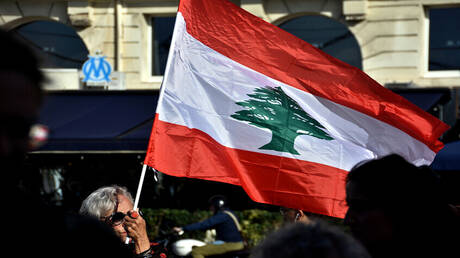
A massive solidarity gathering took place in Beirut, Lebanon, protesting against Israeli crimes targeting journalists. This follows the deaths of Al-Mayadeen reporter Fatima Fatouni and Al-Manar reporter Ali Shaib in an Israeli airstrike.
Hundreds of journalists and activists gathered in front of the Lebanese Press Syndicate, raising slogans calling for the protection of journalists and rejecting Israeli assaults. The solidarity protest demonstrated unity among various political and social factions in Lebanon, with participants emphasizing the need to confront crimes targeting freedom of expression.
Details of the Event
This gathering comes after the journalists were killed in an Israeli airstrike targeting an area in southern Lebanon, where they were covering events. This incident sparked a wave of anger and condemnation within media and political circles, with many considering it a complete war crime. Videos circulated showing moments from the protests, where demonstrators chanted slogans demanding the protection of journalists.
Several Lebanese lawmakers pointed out that targeting journalists constitutes a blatant violation of human rights, stressing the need to hold those responsible for these crimes accountable. Lebanese parliament member Ali Bazi stated, "Targeting journalists is a war crime, and perpetrators must face the consequences of their actions."
Background & Context
Historically, Lebanon has witnessed numerous assaults on journalists, especially amid ongoing conflicts in the region. Media outlets have faced significant pressures, both from local authorities and conflict parties. Journalists in Lebanon are among the most endangered in the world, frequently facing assaults and restrictions.
In recent years, Israeli assaults on journalists have intensified, particularly amid military escalations in the region. Human rights organizations have documented numerous cases where journalists were attacked while performing their professional duties, raising significant concern within media circles.
Impact & Consequences
This incident underscores the necessity of protecting journalists and ensuring freedom of expression in Lebanon, as assaults on journalists negatively impact the media landscape and limit the ability of media outlets to fulfill their role in conveying the truth. Additionally, these solidarity protests may raise awareness about the importance of protecting journalists and enhancing their rights.
Moreover, these events could motivate the international community to pressure Israel to halt its violations against journalists, potentially leading to improved security conditions for journalists in the region.
Regional Significance
This incident is part of a broader phenomenon of targeting journalists in conflict areas across the Arab world. Media outlets in many Arab countries face significant pressures, affecting freedom of expression and limiting journalists' ability to cover events independently.
Solidarity with journalists in Lebanon may encourage similar gatherings in other countries, reflecting Arab unity in confronting assaults on freedom of expression. Furthermore, these events could contribute to strengthening international efforts to protect journalists in conflict zones.
In conclusion, the issue of protecting journalists and freedom of expression in the Arab world remains a vital concern that requires the concerted efforts of local and international stakeholders to ensure that such crimes do not recur in the future.