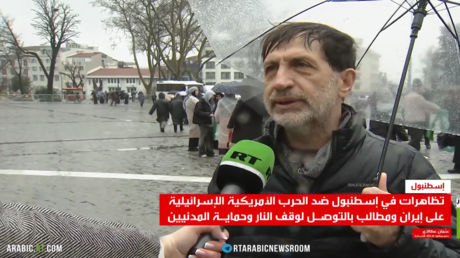
Istanbul, Turkey, saw massive public protests on Saturday as thousands of citizens gathered in Taksim Square to express their rejection of military escalation in the region and the presence of foreign troops. The demonstrators voiced their condemnation of the American-Israeli war on Iran, as well as the repeated Israeli strikes on Lebanon and Gaza.
The protests came at a time when the Middle East is experiencing increasing tensions, with growing fears of a potential military escalation that could exacerbate the humanitarian situation in the region. Participants in the protests raised slogans calling for peace and an end to the war, emphasizing the need to respect the sovereignty of nations and refrain from interfering in their internal affairs.
Details of the Event
The protests began around noon, with demonstrators gathering in the famous Taksim Square, holding banners inscribed with slogans advocating for peace and rejecting war. Several political and social figures delivered speeches during the demonstration, highlighting the importance of Arab and Islamic unity in facing common challenges.
The protests saw widespread participation from various age groups, including youth and women, reflecting the public's concern over the current situation. The demonstrations included peaceful protest scenes, with participants chanting slogans calling for an end to wars and occupation.
Background & Context
These protests occur amid rising tensions in the region, particularly as relations between Iran and the United States have escalated significantly since Washington's withdrawal from the nuclear agreement in 2018. Military and political pressures on Iran have increased, leading to heightened fears of an outbreak of a comprehensive war in the region.
On the other hand, Israel continues to carry out military strikes against targets in Lebanon and Gaza, further intensifying tensions and negatively impacting the humanitarian situation in those areas. The international community has condemned these actions, yet the situation remains critical.
Impact & Consequences
The protests in Istanbul reflect a growing public anxiety over the escalation of military conflicts in the region. They also indicate the significant role Turkey plays as a supporter of Arab and Islamic causes. These popular movements could influence the internal and foreign policies of the Turkish government, especially in light of the upcoming elections.
Moreover, these protests may encourage further popular movements in other countries in the region, where citizens seek to express their opinions and demands in the face of foreign policies affecting their daily lives.
Regional Significance
The protests in Istanbul are part of a broader movement in the Arab and Islamic world, where citizens strive to express their rejection of foreign interventions in their affairs. Turkey's support for Arab issues may enhance its position in the region and increase its political influence.
At the same time, the escalation of military tensions could exacerbate the humanitarian situation in countries affected by conflicts, necessitating urgent action from the international community to resolve these crises.
In conclusion, the protests in Istanbul remain a symbol of popular dissent against wars and occupation, reflecting the desire of peoples for peace and stability in a region suffering from ongoing conflicts.