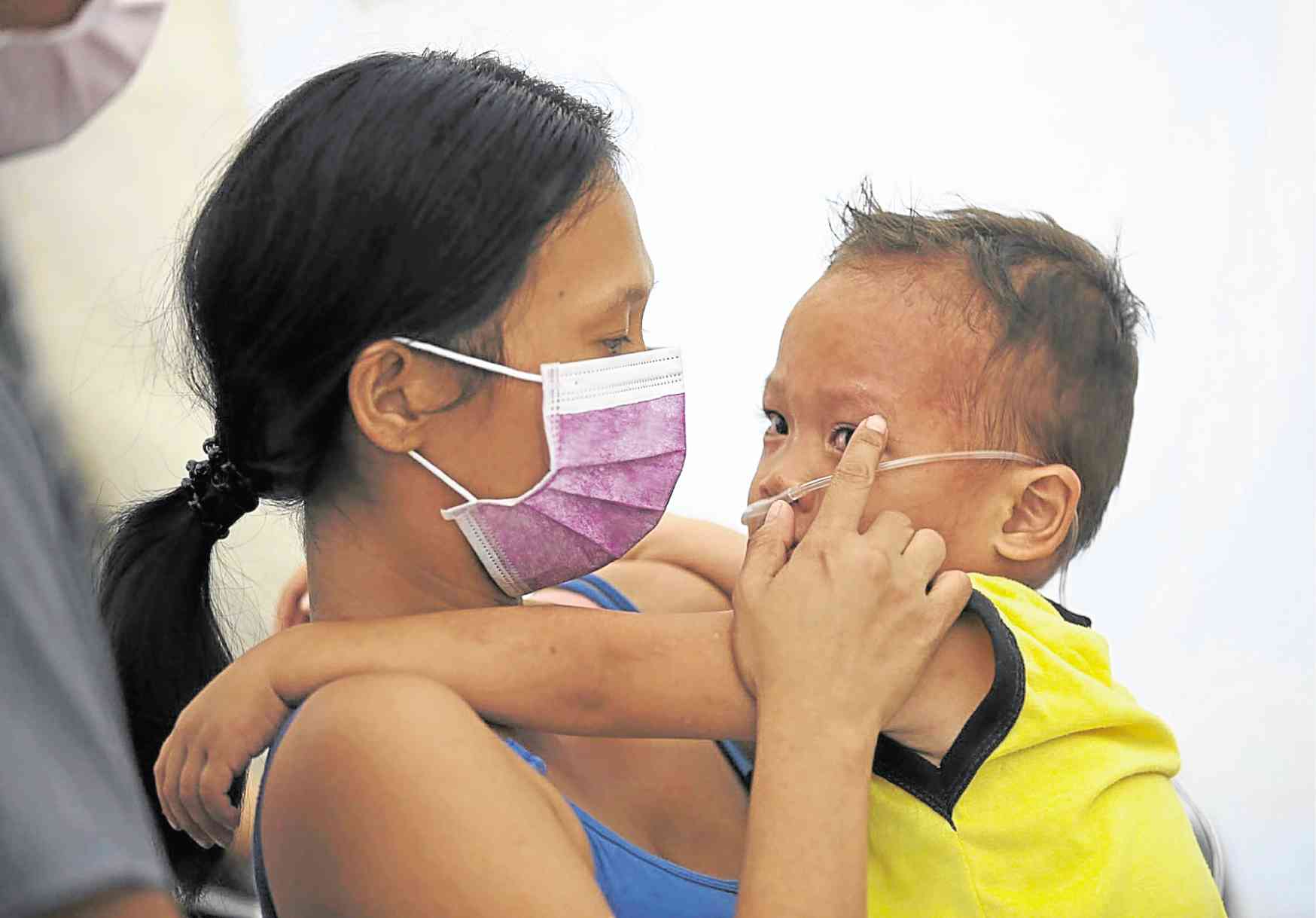
The city of Malang, Indonesia, has announced the launch of a mass vaccination campaign against measles as part of its efforts to address the noticeable increase in cases of the disease. The campaign, initiated by the city mayor, Wahyu Hidayat, targets children aged 9 months to 15 years, as this age group is considered the most vulnerable to measles infection.
This campaign comes at a critical time, as the city has witnessed a surge in measles cases, prompting swift and effective measures to protect children and the community at large. The goal is to vaccinate over 10,000 children across various neighborhoods in the city over the coming weeks.
Event Details
The campaign includes providing vaccines at multiple health centers, as well as organizing mobile teams to reach remote areas. The mayor emphasized that the campaign will last for one month, focusing on raising awareness among parents about the importance of vaccination to protect their children from infectious diseases.
Additional resources have been allocated to ensure an adequate supply of vaccines, with coordination established with the Indonesian Ministry of Health to secure the necessary supplies. The mayor noted that this campaign is part of a comprehensive strategy to improve public health in the city.
Background & Context
Historically, Indonesia has faced significant challenges in combating infectious diseases, including measles. Despite efforts in recent years to increase vaccination rates, some areas still struggle with low health coverage. Measles, which can lead to severe complications, is considered a preventable disease through vaccination.
In recent years, Indonesia has experienced several outbreaks of the disease, prompting the government to take stricter measures to enhance vaccination programs. The current campaign in Malang reflects the local government's commitment to improving children's health and reducing health risks in the community.
Impact & Consequences
This campaign is a crucial step towards achieving health security for children in the city. It is expected that the campaign will contribute to a reduction in measles cases, thereby alleviating the burden on the healthcare system. Additionally, boosting immunity among children will help protect the community as a whole from outbreaks of infectious diseases.
Furthermore, the success of this campaign could encourage other cities in Indonesia to implement similar programs, contributing to improved public health nationwide. These efforts may also enhance trust between parents and health authorities, leading to increased vaccination rates in the future.
Regional Significance
Indonesia's experience in tackling measles serves as an important lesson for Arab countries, many of which face similar challenges in public health. Strengthening vaccination programs and health awareness can help protect children and reduce the spread of infectious diseases.
Moreover, collaboration among Arab countries in sharing successful experiences and practices in public health could positively impact the health of Arab communities. Strengthening immunity through vaccination is considered an investment in the future of upcoming generations.