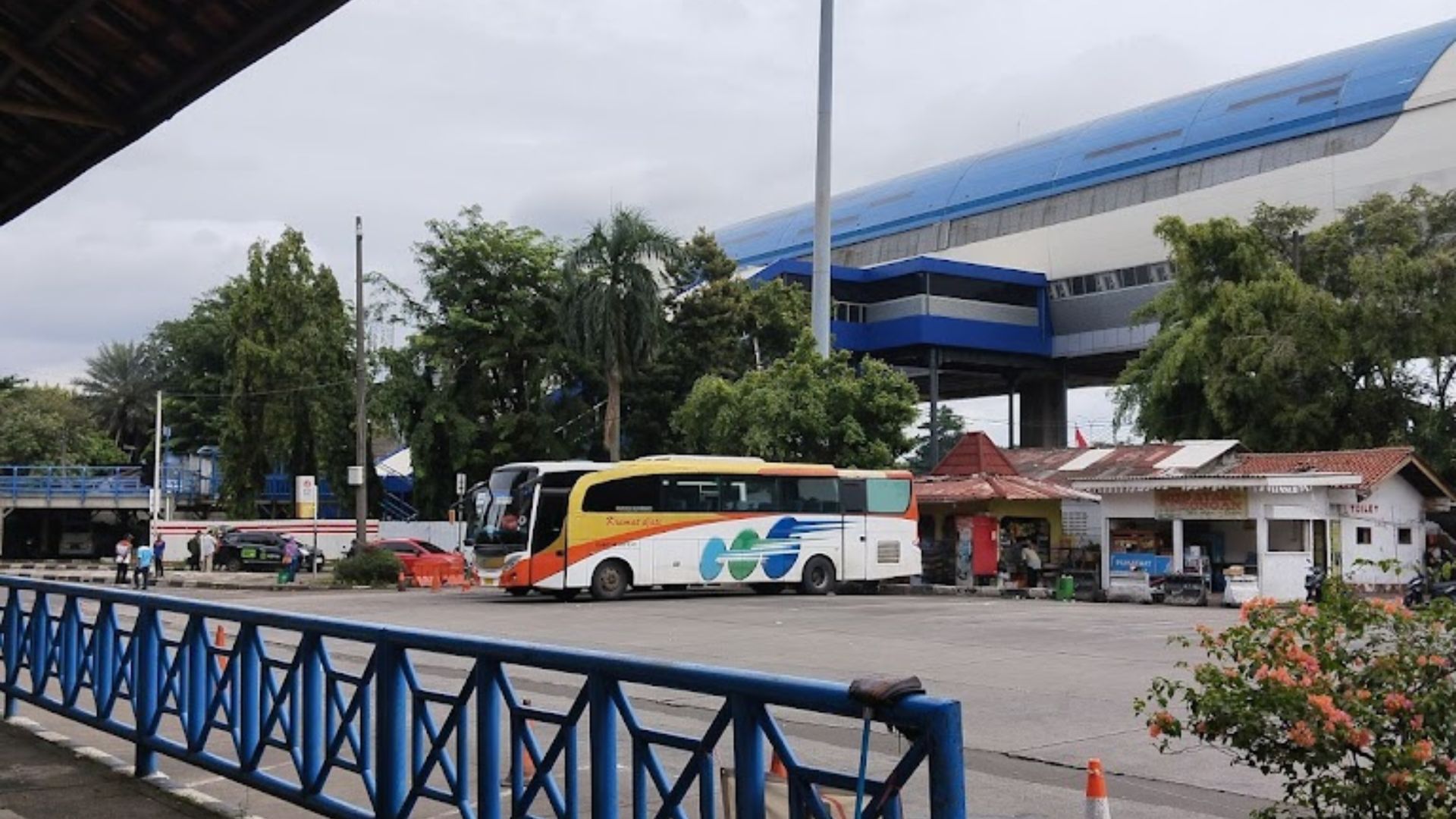
Kampung Rambutan Station in East Jakarta witnessed a significant influx of travelers, as the station head, Rivi Zulkarnain, reported that the number of passengers arriving at the station reached 4,330 by 2 PM on Sunday. This figure represents a notable increase compared to 3,184 travelers who arrived on Saturday.
The increase in passenger numbers comes as part of the return season following the Eid al-Fitr holiday, with expectations for the flow of travelers to continue throughout the afternoon hours. A total of 122 buses were utilized to transport these passengers from various Indonesian cities.
Details of the Event
According to Zulkarnain's statements, the number of passengers who departed from the station by Sunday afternoon was 793, using 60 buses. In contrast, the number of departures on Saturday reached 1,061 passengers via 148 buses. These figures indicate that intercity transport in Indonesia is experiencing notable activity during this period.
Zulkarnain noted that most of the incoming passengers were from cities such as Surabaya, Malang, and Yogyakarta, in addition to other areas on the island of Java. The largest number of passengers arriving from the island of Sumatra came from cities like Padang and Palembang.
Background & Context
Kampung Rambutan Station is considered one of the largest transport stations in Jakarta, playing a vital role in connecting the capital with other regions in Indonesia. As Eid al-Fitr approaches, transportation activity significantly increases as many return to the capital after spending the holiday with their families in rural areas.
Historically, Indonesia has seen a substantial increase in transportation activity during holiday seasons, with millions of citizens traveling between cities. This phenomenon reflects the strong social and cultural ties between urban and rural residents.
Impact & Consequences
The increasing passenger numbers highlight the importance of public transport in Indonesia, especially during peak times such as Eid al-Fitr. This large influx also reflects the need for improved transport infrastructure and expanded services to meet the growing demand.
Economically, this activity can boost the local economy, as travelers contribute to supporting local businesses, restaurants, and hotels in the capital.
Regional Significance
Although Indonesia is not part of the Arab world, this significant transportation movement reflects similar phenomena occurring in Arab countries, especially during holiday seasons. In many Arab nations, public transport also experiences a substantial increase in demand during holiday periods, necessitating improvements in services and infrastructure.
Ultimately, these events underscore the importance of public transport in enhancing social and economic ties between cities and various regions, both in Indonesia and in Arab countries.