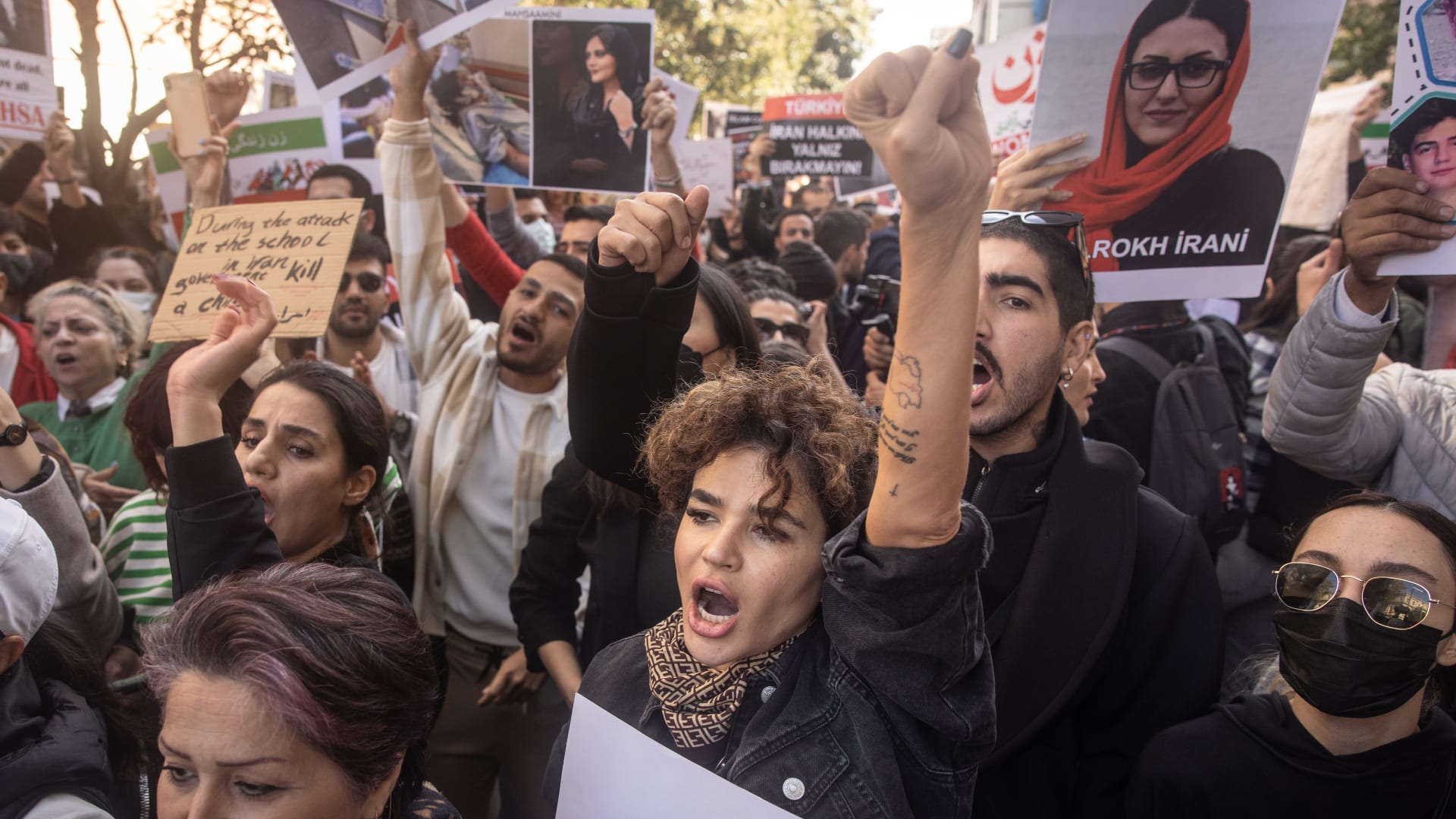
Iranian Foreign Minister Abbas Araghchi praised the large protest organized by thousands in the Japanese capital, Tokyo, where participants expressed their rejection of the war waged by the United States and Israel against Iran. This gathering came at a sensitive time marked by escalating military and political tensions in the region.
The protest, which took place in the heart of Tokyo, saw wide participation from various demographics, with demonstrators holding placards calling for peace and condemning foreign aggression. Araghchi emphasized in his statements that these demonstrations reflect international solidarity with Iran in facing the challenges it encounters.
Event Details
Thousands gathered in Shinjuku Square, one of the most vibrant areas in Tokyo, where participants of all ages and backgrounds converged. The protest featured speeches from political activists and intellectuals who called for an end to wars and conflicts in the region. Additionally, videos and images showcasing the impact of war on civilians in Iran were displayed, further energizing the demonstrators.
The Iranian Foreign Minister, who spoke via video link, expressed his gratitude to the participants, noting that their voices resonate globally. He also pointed out that this event reflects the growing global awareness of humanitarian issues concerning the Iranian people.
Background & Context
This protest comes at a time when relations between Iran and the United States are increasingly strained, particularly following the U.S. withdrawal from the nuclear agreement in 2018. Since then, Washington has imposed stringent economic sanctions on Tehran, significantly impacting the Iranian economy and exacerbating humanitarian conditions.
The military escalation in the region, including Israeli attacks on Iranian sites in Syria, has heightened fears of a broader conflict. In this context, the Tokyo protest serves as an expression of the people's rejection of wars imposed by major powers.
Impact & Consequences
This protest demonstrates a growing international support for Iran, which could influence the foreign policies of major countries. Furthermore, this event may encourage the organization of similar activities in other nations, reflecting an increasing global awareness of humanitarian issues.
Additionally, these movements could lead to greater pressure on Western governments to alter their policies towards Iran, especially amid rising criticism regarding the impact of sanctions on the Iranian populace.
Regional Significance
This demonstration serves as a clear message to Arab countries grappling with internal and external conflicts. International solidarity with Iran may bolster its position in the region, potentially affecting political balances in the Middle East.
Moreover, these events may prompt some Arab nations to reconsider their policies towards Iran, particularly in light of the ongoing tensions between Iran and Gulf states. Ultimately, these protests stand as a testament to the importance of popular solidarity in confronting global challenges.