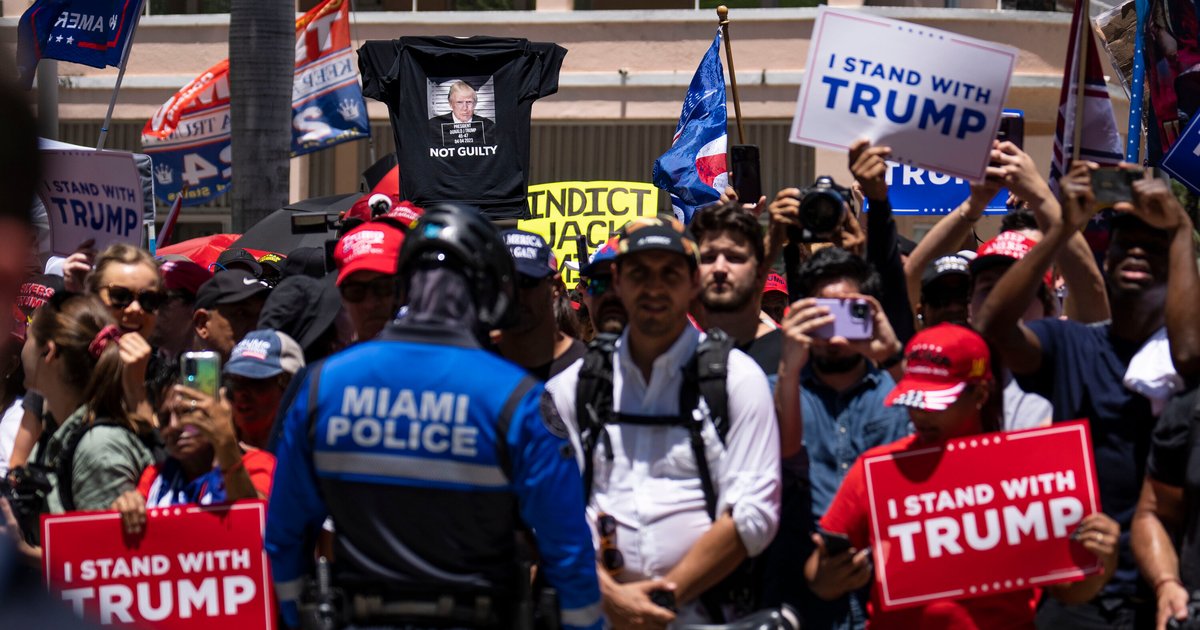
Protests against former President Donald Trump continue, with millions of Americans expected to participate in demonstrations stretching from New York to Alaska. These protests are part of a new day of events under the banner 'No Kings,' which reflects increasing dissatisfaction with Trump's controversial policies and decisions.
Reports indicate that these demonstrations will not be limited to major cities but will also include rural areas, demonstrating the broadening scope of the protest movement. Calls for protests have emerged from various U.S. states, as demonstrators seek to express their rejection of what they perceive as 'tyranny' by Trump.
Event Details
The protests include a variety of activities, such as marches, speeches, and artistic performances, with activists from diverse political and social backgrounds participating. These events have been organized in a way that ensures wide participation from citizens, reflecting the growing anger against Trump, especially following a series of controversial decisions made during his presidency.
These protests coincide with rising political tensions in the United States, as many Americans seek to voice their opinions on the future of the country. Polls have shown that a significant percentage of citizens feel dissatisfied with Trump's performance, reflecting a state of political polarization in American society.
Background & Context
Historically, the United States has witnessed numerous protest movements aimed at changing government policies. Since Trump took office, protests have notably increased, as many consider his policies to be at odds with democratic values. His decisions regarding immigration, the environment, and civil rights have sparked strong reactions from various segments of society.
The current protests also come at a sensitive time, as Trump seeks to return to the political arena following his loss in the 2020 presidential election. Many observers believe that these demonstrations represent an opportunity for citizens to express their rejection of Trump's return to power.
Impact & Consequences
These protests could have significant implications for the American political landscape. With rising public anger, Trump may face greater challenges in his attempts to re-enter the political scene. Additionally, these protests may lead to increased public awareness of issues that matter to citizens, potentially impacting the outcomes of upcoming elections.
Moreover, these demonstrations may influence other political parties, which may need to reassess their strategies for engaging with voters. Such dynamics could lead to changes in political trends in the United States.
Regional Significance
Political events in the United States have a significant impact on the Arab region, as Arab countries are directly affected by American policies. With the escalation of protests against Trump, U.S. policies towards the Middle East may change, affecting relations between the United States and Arab nations.
Furthermore, these protests reflect a state of political polarization that may influence how the next American administration deals with Arab issues, such as the Israeli-Palestinian conflict and crises in Syria and Libya. Therefore, monitoring these protests may be crucial for understanding future trends in American policy in the region.