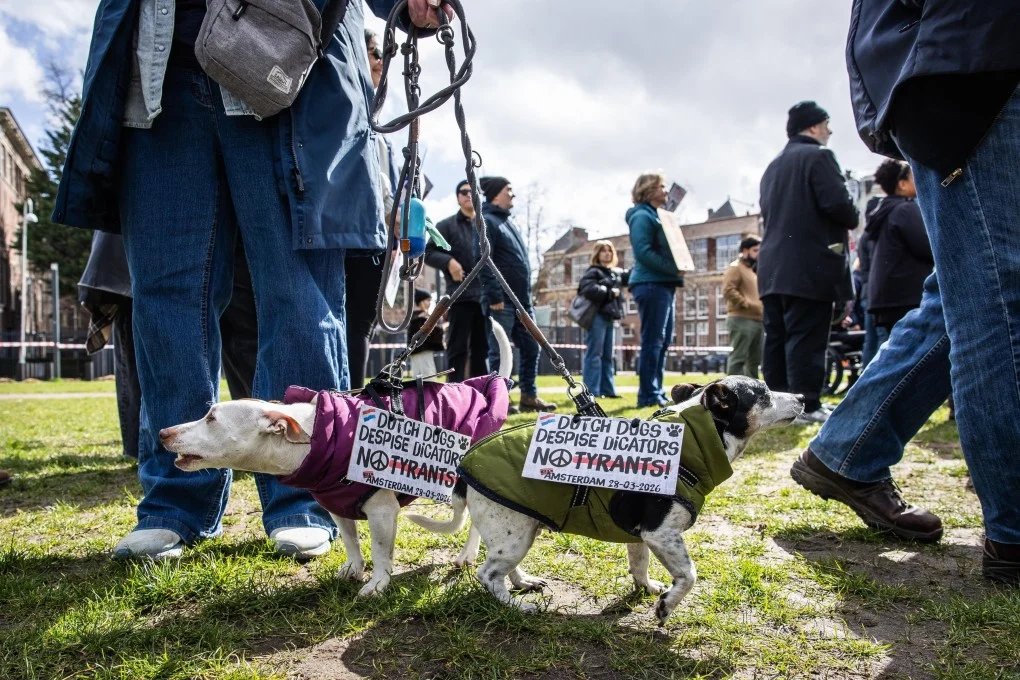
The United States is set to experience massive protests this coming Saturday, reflecting the discontent of millions of citizens with President Donald Trump's policies, which they view as authoritarian and repressive. These demonstrations are part of a grassroots movement known as 'No Kings', which has emerged as one of the most prominent channels of opposition to Trump since he began his second term in January 2025.
Anger among Americans is escalating, with these protests marking the third such event in less than a year, indicating a rising tide of public rejection of Trump’s policies. Protesters are voicing their grievances over a range of issues, including human rights violations, abuses of power, and the handling of both domestic and international crises.
Event Details and Expectations
Reports anticipate that large crowds will take to the streets in various American cities, where participants will express their demands for freedom and democracy. These protests come at a sensitive time, as Trump faces increasing criticism from various segments of society, including human rights organizations and opposing politicians.
The No Kings movement aims to unify grassroots efforts against what they perceive as governmental tyranny, with protesters seeking to make their voices heard by the U.S. government and demanding radical changes in current policies. These protests have been organized through social media, which has helped raise awareness and attract more participants.
Background & Context
Historically, the United States has witnessed numerous grassroots protests reflecting citizens' dissatisfaction with their governments' policies. Since Trump took office, the intensity of protests has escalated, as many believe his policies contradict the democratic values upon which the country was founded. Issues such as immigration, racial discrimination, and women's rights have sparked strong reactions from civil society.
In recent years, political polarization in the United States has intensified, exacerbating social and economic crises. Global events, such as the COVID-19 pandemic, have contributed to growing discontent with the government, as many believe the administration has not adequately addressed the crisis's repercussions.
Impact & Consequences
These protests are seen as indicators of increasing political awareness among American citizens, as many seek to influence government policies through active participation in political life. These demonstrations could lead to changes in local policies and may compel the government to reconsider some of its decisions.
Furthermore, these protests could impact upcoming elections, as protesters aim to sway voters and encourage them to participate in the electoral process. This movement may pose a political threat to Trump and his party, increasing the likelihood of changes in the country’s political landscape.
Regional Significance
Events in the United States hold significant implications for the Arab region, as many are observing how U.S. policies affect regional issues. Protests against Trump could lead to changes in American foreign policy, impacting relations with Arab countries, especially amid current tensions in the Middle East.
Additionally, the rising political awareness in the United States may inspire similar protest movements in Arab countries, where citizens strive to achieve their democratic and human rights. Political changes in the United States could affect American support for Arab causes, necessitating close monitoring by those interested in Arab affairs.