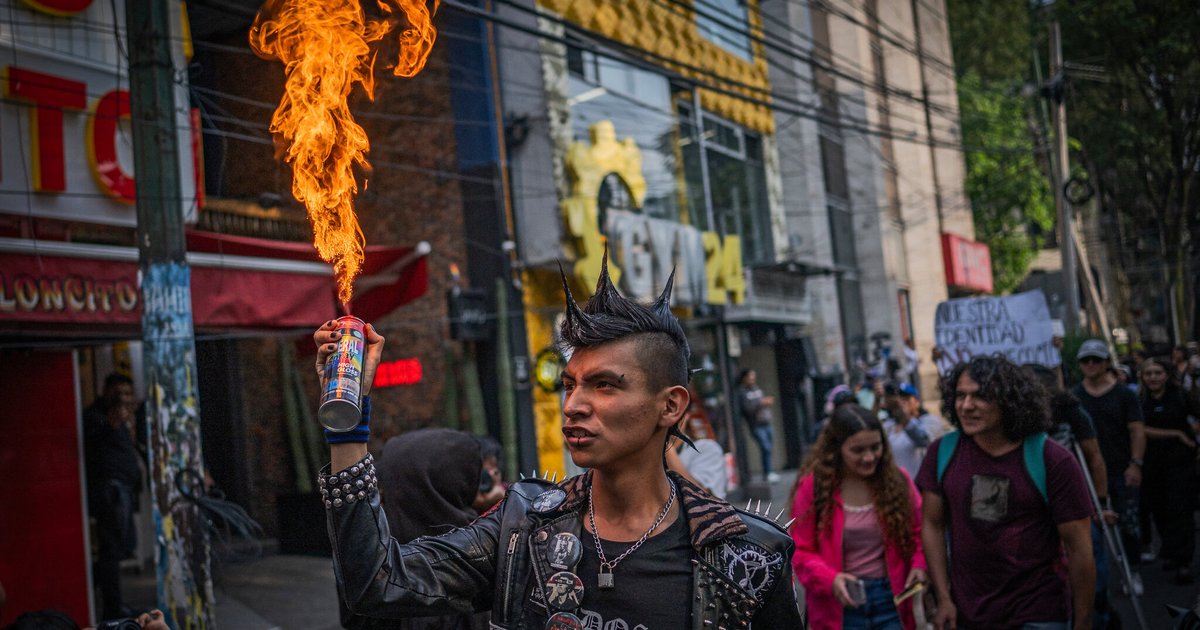
Thousands of citizens gathered in Mexico City's Zocalo Square on Saturday to demand improved living conditions. These protests occur at a time when the country is grappling with rising poverty and unemployment rates, prompting many citizens to express their dissatisfaction with the government.
The demonstrations, organized by a coalition of labor unions and social associations, saw widespread participation from various segments of society, including youth, women, and the elderly. Protesters carried banners with slogans urging the government to enhance public services, increase wages, and provide job opportunities.
Event Details
The protests began at 10 AM local time, with demonstrators assembling in Zocalo Square, one of the largest public squares in the world. Several union leaders delivered speeches urging the government to take urgent action to improve citizens' living conditions. Musical and cultural events were also organized during the protests to attract more participants.
These demonstrations come in light of the difficult economic conditions facing Mexico, where recent statistics show that over 40% of the population lives below the poverty line. Unemployment rates have also significantly increased, adding pressure on the government to provide effective solutions.
Background & Context
Historically, Mexico has witnessed numerous popular protests aimed at demanding social and economic rights. In recent years, protests have escalated due to deteriorating economic conditions and increasing corruption within the government. Citizens have repeatedly called on officials to take serious steps to address these issues.
The political situation in Mexico has also contributed to the worsening conditions, as the current president faces widespread criticism for failing to fulfill his electoral promises related to improving living standards. This criticism has led to increased discontent among citizens, prompting them to take to the streets to voice their demands.
Impact & Consequences
These protests could increase pressure on the Mexican government to take urgent measures to improve living conditions. Continued protests may also affect political stability in the country, potentially leading to changes in government policies. If protests persist, the government may need to take concrete steps to meet the protesters' demands.
Furthermore, these demonstrations could impact Mexico's international relations, as other countries may view the internal situation in Mexico as a factor affecting foreign investments. This may require the Mexican government to take swift actions to restore confidence in the national economy.
Regional Significance
The economic and social conditions in Mexico are similar to those faced by many Arab countries, where some nations struggle with high poverty and unemployment rates. Mexico's experience in dealing with these challenges could serve as an important lesson for Arab countries facing similar issues. The protests also reflect the importance of public participation in decision-making, which could serve as a model for the region.
In conclusion, the protests in Mexico City signify public discontent with living conditions, necessitating the government to take urgent steps to address these issues. Responding to citizens' demands could be key to achieving political and social stability in the country.