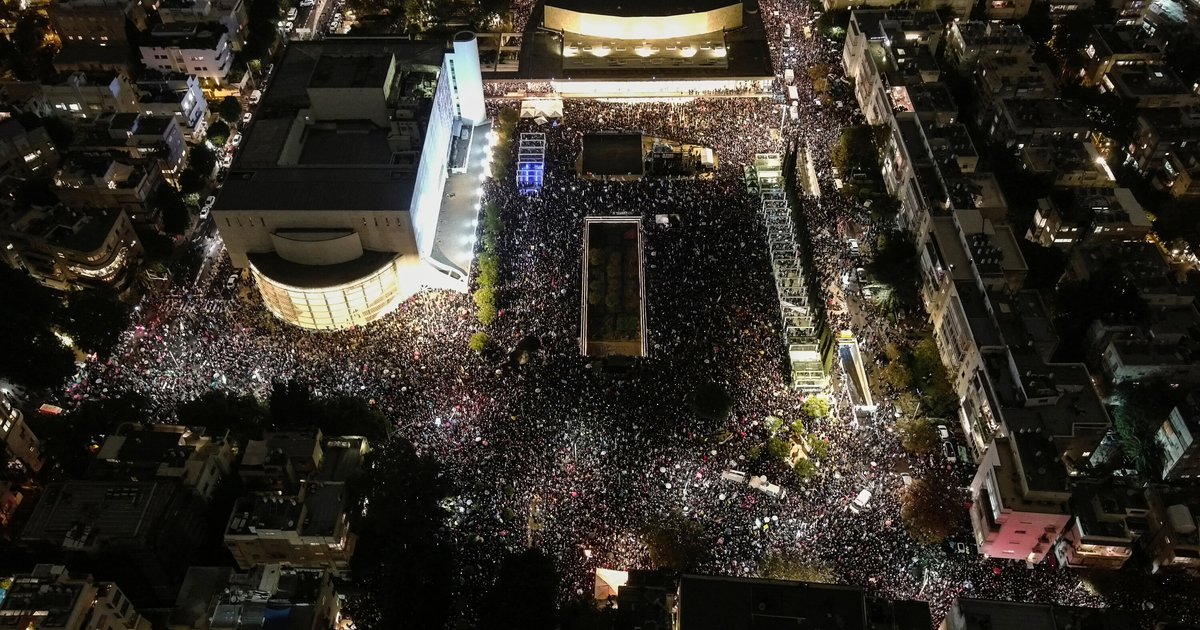
On Friday, the Yemeni capital Sana'a witnessed massive protests with tens of thousands of Yemenis demanding the Houthi group to continue military operations against Israel and the United States. The demonstrators raised slogans calling for unity against what they described as American-Israeli tyranny, as the marches took place in public squares amidst an atmosphere of enthusiasm and solidarity.
Under the slogan "One Axis, One Front Against American-Israeli Tyranny," participants flocked to the squares carrying flags and banners expressing their support for Iran, Lebanon, Iraq, and Palestine. They also chanted slogans condemning the American-Israeli aggression against Iran, reflecting the rising tensions in the region.
Event Details
Crowds gathered in several areas of Sana'a, where the events were organized in an orderly manner, demonstrating the Houthis' ability to mobilize the masses. A portion of the protests was dedicated to denouncing American and Israeli policies, as demonstrators considered these policies a threat to security and stability in the region.
The protests also saw wide participation from various age groups, including youth and women, reflecting a growing political and social awareness among Yemenis. Photos circulated on social media showcased the large turnout and positive interaction from participants.
Background & Context
These protests come at a sensitive time for the region, as tensions escalate between Iran on one side and the United States and Israel on the other. Recent months have witnessed an escalation in military operations and mutual threats, prompting many groups in the region to express their support for Iran in facing these challenges.
Political shifts in the region, including the normalization of relations between some Arab countries and Israel, have also influenced the Houthis' stance, who see themselves as part of the resistance axis against American and Israeli hegemony. This context reflects the significant challenges facing the region amid ongoing tensions.
Impact & Consequences
The Houthis' continued military operations against Israel and the United States could lead to further escalation in the conflict, threatening regional security. Additionally, these protests may also reflect the Houthis' desire to strengthen their internal position in the face of the economic and political challenges facing Yemen.
Moreover, the Houthis' support for Iran could contribute to increasing tensions among regional powers, potentially affecting peace efforts in Yemen and complicating the political landscape in the region. It is crucial to monitor international reactions to these developments, especially from the United States and Israel.
Regional Significance
These protests are part of a broader movement in the Arab world, where there is a growing sense of discontent towards American and Israeli policies. The Houthis' support for resistance may inspire other groups in the region, potentially leading to increased tensions in neighboring countries.
Ultimately, these events represent evidence of the ongoing conflict in the region, as the Houthis seek to bolster their position as a key force against what they perceive as external threats. Developments in Yemen could significantly impact regional stability, necessitating greater international attention.