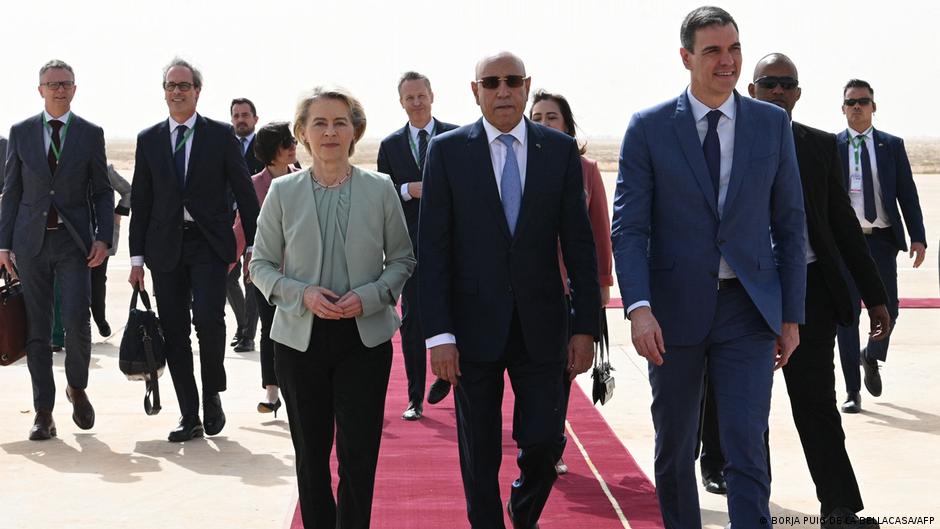
The Mauritanian government has announced a series of precautionary measures to tackle the rising global energy prices, urging citizens to conserve energy. This decision was made during a high-level meeting chaired by President Mohamed Ould Cheikh El Ghazouani, where the implications of the sharp increases in fuel prices were discussed.
These steps come at a time when global markets are experiencing significant fluctuations due to geopolitical tensions, leading to unprecedented increases in oil and gas prices. The Mauritanian government has expressed concern over the potential impacts of these increases on the national economy, which heavily relies on energy imports.
Details of the Meeting
During the meeting held by President Ould Cheikh El Ghazouani, the current situation of energy prices and their impact on the state budget were reviewed. The importance of taking urgent measures to ensure the stability of the local market was emphasized. Citizens were also urged to reduce energy consumption, including rationalizing the use of electricity and fuel.
Government sources indicated that the measures also include a review of certain economic policies related to fuel price subsidies, as the government seeks to achieve a balance between protecting consumers and ensuring the sustainability of the state's financial resources.
Background & Context
Historically, Mauritania has been significantly affected by changes in global energy prices, as its economy heavily depends on fuel imports. In recent years, there have been notable increases in oil prices, impacting citizens' purchasing power and leading to higher living costs.
These measures come at a time when the world is grappling with the repercussions of the COVID-19 pandemic, which has caused disruptions in supply chains and increased demand for energy. Additionally, political tensions in various regions of the world, such as the Middle East and Eastern Europe, have contributed to exacerbating the crisis.
Impact & Consequences
These measures are expected to affect the daily lives of citizens, as they will increase living costs amid rising prices of food and essential goods. They may also lead to a decline in economic activity, especially in sectors that heavily rely on energy.
On the other hand, these measures may help raise awareness about the importance of energy conservation, which could have a positive environmental impact in the future. The government hopes that these actions will contribute to improving energy efficiency and reducing reliance on imports.
Regional Significance
The current energy crisis represents a significant challenge for many Arab countries, which are suffering from the repercussions of rising prices. Most Arab countries rely on oil as a primary source of revenue, making them vulnerable to fluctuations in the global market.
Some Arab countries are moving towards implementing similar measures to address this crisis, seeking to reduce dependence on fossil fuels and promote the use of renewable energy sources. This could open new avenues for cooperation among Arab countries in the energy sector.
In conclusion, the measures taken by the Mauritanian government represent an important step towards addressing current economic challenges. However, the biggest challenge remains how to balance protecting citizens with achieving economic sustainability.