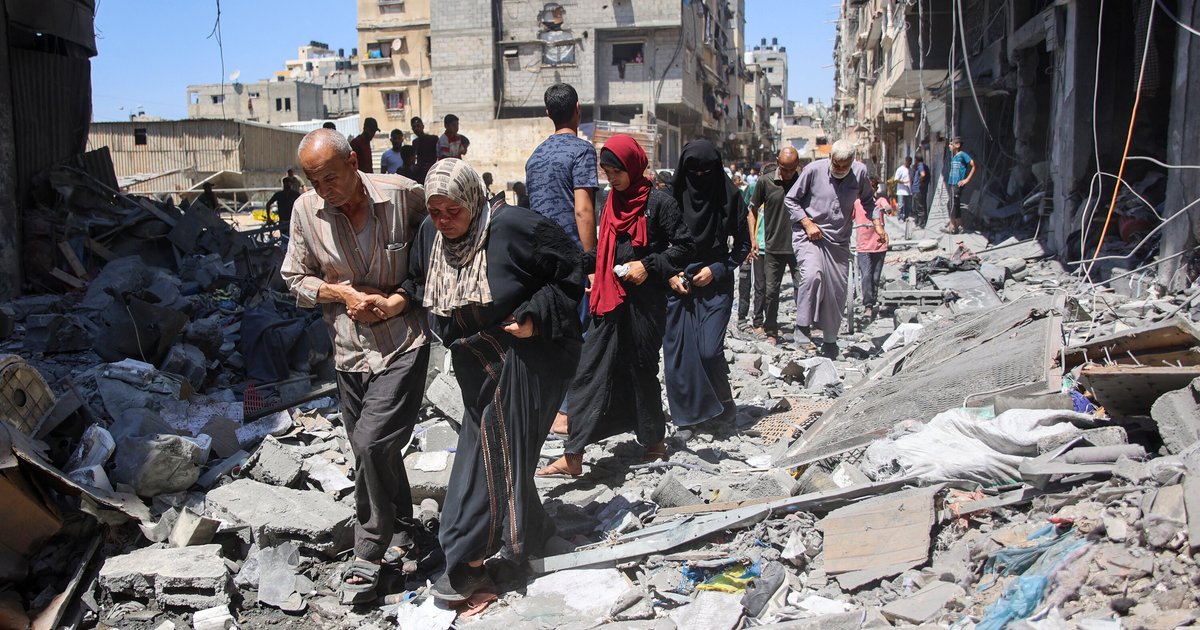
In modern warfare, media intertwines with military and political dimensions, complicating the distinction between reality and the narratives being promoted. In this context, the role of media emerges as a tool for constructing truths, as the war in the Middle East has evolved into a complex arena where information intertwines with political agendas.
The challenges faced by journalists in conflict zones are increasing, as conveying the truth in such circumstances is a daunting task. While some strive to present an accurate portrayal of events, others aim to steer public opinion towards specific narratives, creating a state of informational chaos.
Event Details
In recent years, the Middle East has witnessed a rise in armed conflicts, leading to increased media attention. However, this attention has not always favored the truth. While some journalists seek to cover events accurately, others manipulate information to achieve political or military goals. This makes it difficult for the audience to distinguish between fact and fiction.
Reports indicate that media can be a weapon in itself, used to mislead the public or highlight specific issues. Sometimes, images and videos are selectively used to bolster a particular narrative, resulting in a distortion of facts.
Background & Context
Historically, media has played a pivotal role in shaping opinions about conflicts. Since World War II, media has become an integral part of war strategies, used to guide public opinion. With the advancement of technology, disseminating information quickly has become easier, further complicating the media landscape.
In the Middle East, numerous examples illustrate how media is used as a tool for influence. During recent conflicts, social media has been employed to disseminate information, but also to spread rumors and false news. This complicates the verification of information.
Impact & Consequences
These dynamics affect how the public understands events. As the amount of available information increases, individuals find it challenging to make informed decisions. Moreover, media misinformation can exacerbate conflicts, potentially escalating tensions between different parties.
Furthermore, the impact of media extends beyond national borders. The portrayal of conflicts in the Middle East can influence the foreign policies of other countries, complicating international relations.
Regional Significance
Under these circumstances, it becomes essential for the public to discern between accurate and false information. This requires enhancing media literacy and increasing awareness about how to consume information. Media institutions must also bear their responsibility in providing accurate and reliable information.
In conclusion, it can be said that media in wartime is not merely a transmitter of facts but also a creator of truths. Therefore, there must be greater awareness of the importance of information and its role in shaping reality.