Merchants in Mataram, Indonesia, have reported notable profits during the celebrations of Eid al-Fitr 1447 AH, with a significant increase in demand for traditional dishes. This surge reflects the importance of culinary traditions in strengthening social bonds among Muslims worldwide.
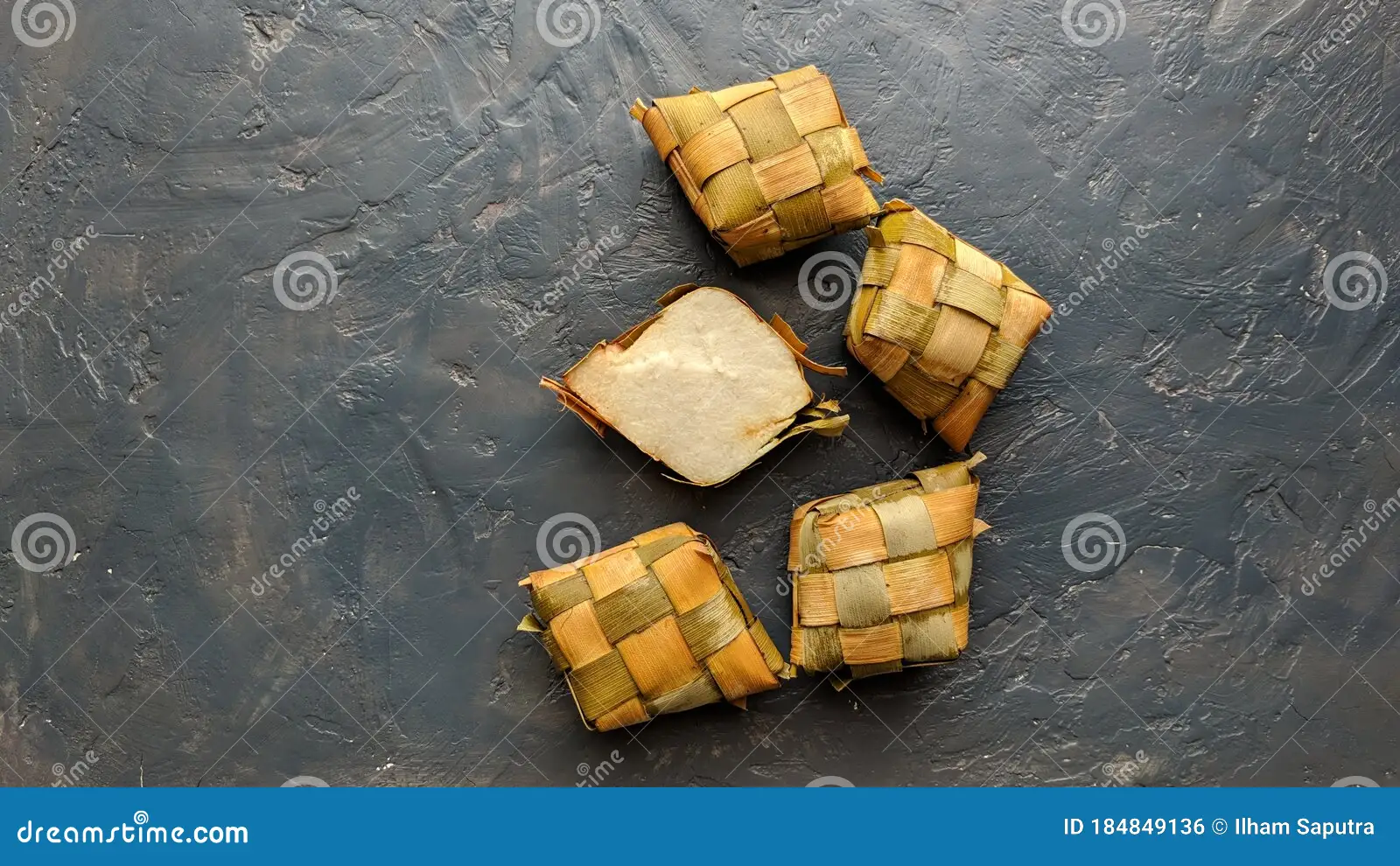
The ketupat is a famous dish in Indonesia, integral to Eid al-Fitr celebrations. Merchants prepare it from cooked rice wrapped in palm leaves, typically served alongside other dishes such as sacrificial meat or cooked chicken. Traders have noted a remarkable increase in demand for these dishes this year, contributing to substantial profits.
Event Details
In Mataram, markets have been bustling as Eid al-Fitr approaches, with residents flocking to purchase ketupat and other traditional dishes. Some merchants reported that they increased their production to meet the rising demand, which helped them achieve profits exceeding their expectations. Additionally, prices were aligned with quality, attracting more customers.
It is worth noting that ketupat is not just food; it symbolizes Indonesian cultural heritage. Friends and families gather around these dishes during the holiday, enhancing social ties and reflecting the cultural values of the community.
Background & Context
The tradition of consuming ketupat dates back centuries, originally prepared for special occasions such as holidays and celebrations. Over time, it has become an integral part of Indonesian cultural identity. Eid al-Fitr is a significant occasion for Muslims, marking the end of Ramadan, where they express joy and gratitude by sharing traditional dishes.
Ketupat showcases the diversity of ingredients used in Indonesian cuisine, prepared in various ways depending on the region. This diversity reflects the richness of Indonesian culture and enhances its status on the global stage.
Impact & Consequences
Reports indicate that the increased demand for ketupat during Eid al-Fitr has contributed to supporting the local economy in Mataram. Merchants benefited from this surge in demand, leading to the creation of new job opportunities and boosting commercial activity in the area. This success underscores the importance of culinary traditions in enhancing the local economy.
Moreover, celebrating Eid al-Fitr through traditional dishes like ketupat strengthens social ties among individuals, contributing to building a cohesive community. These social connections are essential in promoting peace and understanding among different cultures.
Regional Significance
Although ketupat is an Indonesian dish, there is a significant similarity between culinary traditions in Indonesia and Arab countries. Traditional dishes are considered part of cultural identity across the Islamic world. Arab countries can benefit from Indonesia's experience in promoting culinary traditions during religious occasions, enhancing social ties among individuals.
In conclusion, the success of ketupat merchants in Mataram highlights the importance of culinary traditions in strengthening social bonds and supporting the local economy. Celebrating Eid al-Fitr through traditional dishes presents an opportunity to renew familial and social ties, reflecting the cultural values that unite Muslims worldwide.