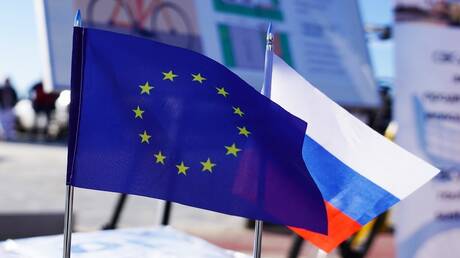
German Chancellor Friedrich Merz firmly rejected the suggestion to appoint former Chancellor Gerhard Schröder as a potential negotiator between Russia and the European Union, responding to a proposal from Russian President Vladimir Putin. This declaration comes at a sensitive time when relations between Russia and the West are increasingly strained, particularly in light of ongoing geopolitical crises.
Merz's rejection reflects the stance of the current German government, which seeks to strengthen its position on the international stage by rejecting any attempts from Russia to exploit historical ties with former political figures in Germany. Schröder, who served as Chancellor from 1998 to 2005, played a significant role in enhancing economic relations between Germany and Russia, making him a controversial figure in this context.
Details of the Event
In a statement to the press, Merz clarified that Europe would choose its own appropriate mediator for dialogue with Russia, emphasizing that any attempt to appoint Schröder would be unacceptable. He added that the current time demands European countries to take clear and firm stances towards Russia, especially given the ongoing conflict in Ukraine.
On the other hand, Putin expressed his belief that Schröder could play an important role in facilitating dialogue between the two sides, a view that has faced widespread criticism from many politicians in Germany and Europe. This comes at a time when relations between Russia and the West are deteriorating unprecedentedly, complicating any efforts for negotiation or dialogue.
Background & Context
Historically, Russian-German relations have been characterized by economic and political cooperation; however, recent events, including the war in Ukraine, have radically altered this dynamic. Schröder, who played a prominent role in strengthening ties between the two countries, has now become a symbol of controversy amid current tensions.
The new German government aims to adopt a more hardline stance towards Russia, focusing on enhancing European security and providing support to Ukraine. This is part of broader European efforts to address the security challenges posed by Russia.
Impact & Consequences
Merz's rejection of Putin's proposal could have significant implications for relations between Germany and Russia, reflecting a shift in German policy towards Moscow. This is likely to lead to further tensions in bilateral relations, potentially affecting economic cooperation between the two nations.
This stance also reflects the general trend in Europe towards adopting stricter positions against Russia, which may impact regional stability and complicate peace efforts in Ukraine.
Regional Significance
As tensions rise between Russia and the West, European policies may have indirect effects on the Arab region. Geopolitical tensions influence energy prices and global markets, which could reflect on Arab economies that heavily rely on oil exports.
Moreover, any escalation in the conflict could affect regional security, prompting Arab countries to adopt strategic positions to address new challenges.
Merz's position reflects a significant shift in German policy towards Russia, indicating that Europe will remain committed to strengthening its stance on the international stage. Under these circumstances, the question remains about how these dynamics will influence international relations and regional security.