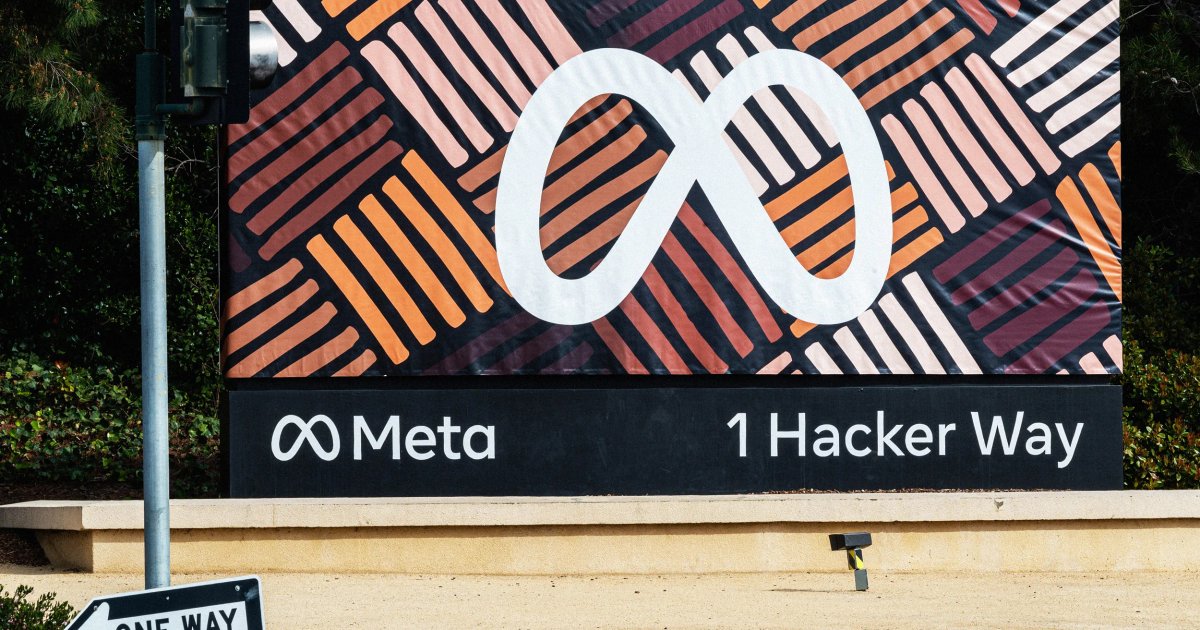
Reports indicate that over 700 workers in Ireland, employed by Meta, are at risk of losing their jobs. This follows a notification from Covalen, a contractor for Meta, regarding a new round of layoffs. Employees were informed during a brief video meeting, where they were not allowed to ask questions, heightening their anxiety.
These employees are based in Dublin, where they review and modify content generated by Meta's AI models. Among them, approximately 500 work as data annotators, ensuring that the content complies with the company's guidelines that prohibit dangerous and illegal material. One employee, who requested anonymity, stated that their work resembles training AI to replace them.
Details of the Layoff Announcement
This decision comes after Meta announced plans to reduce its workforce by 10% as part of its efforts to enhance efficiency. Documents suggest that the layoffs were prompted by an increased need to cut expenses in other areas of the business. Although the message did not mention AI, Meta recently revealed plans to significantly increase its spending on this technology.
Earlier this month, Meta's CEO, Mark Zuckerberg, stated that 2026 would be a pivotal year in transforming work practices due to AI advancements. However, employees at Covalen received only a notice indicating that the layoffs were due to "decreased demand and operational requirements."
Background & Context
This round of layoffs marks the second for Covalen in recent months, as the company announced plans last November to cut around 400 jobs, leading to a strike by workers. Consequently, Covalen's workforce in Dublin is expected to shrink by nearly half, according to the Communications Workers’ Union, which represents some Covalen employees.
The affected workers are finding it challenging to secure new jobs due to a six-month "cooling-off" period, during which they cannot apply for positions at competing Meta companies. One employee expressed feelings of indignity, noting that this situation is considered inappropriate.
Impact & Consequences
The implications of AI on the labor market raise widespread concerns among workers. Unions representing the affected employees are urging Covalen to engage in negotiations regarding compensation terms. They also hope to meet with the Irish government to discuss the impact of AI on workers in the country.
Christy Hoffman, General Secretary of the UNI Global Union, stated that tech companies treat workers who contributed to building AI as if they are disposable. It is crucial for workers to organize themselves and demand notice regarding the introduction of AI, employment-related training, and plans for their future.
Regional Significance
Concerns about the impact of AI on the labor market are also rising in Arab countries, where modern technologies could lead to the loss of many traditional jobs. Arab nations must adopt strategies to adapt to these changes, including developing workers' skills and creating new job opportunities in technology sectors.
In conclusion, this news serves as a call to reflect on how technological advancements affect the future of work, and governments and companies must collaborate to ensure workers' rights amidst these rapid transformations.