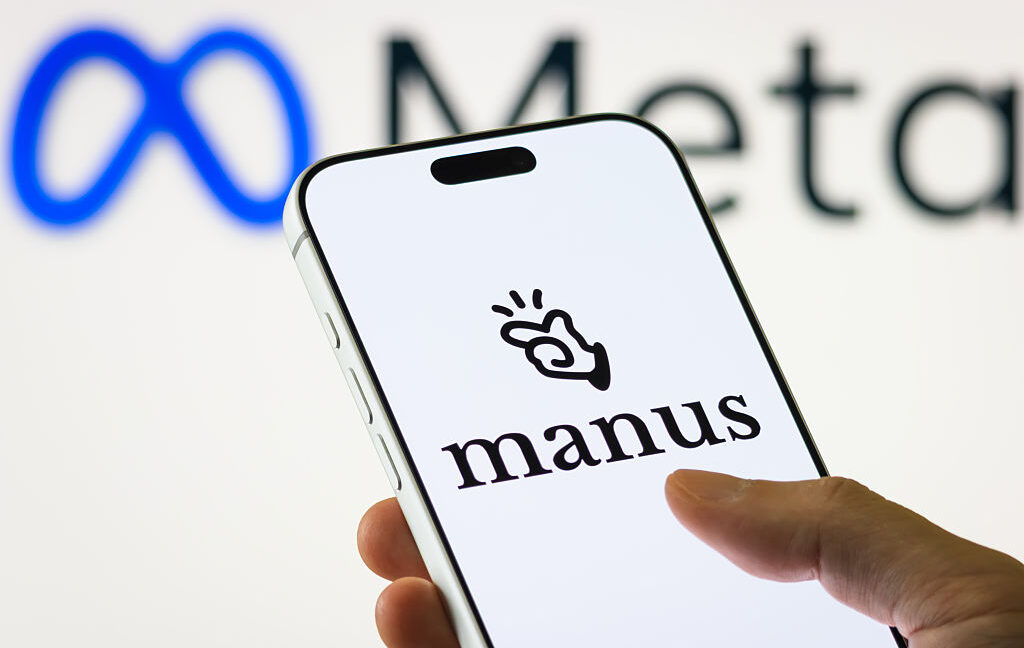
Meta, the parent company of Facebook, has announced the cancellation of its acquisition of Manus, underscoring the difficulties tech companies encounter in diminishing their connections with China. This decision arises during a sensitive time, as tensions between the United States and China escalate, particularly in the fields of technology and artificial intelligence.
Meta, which is focused on developing artificial intelligence technologies, aims to enhance its competitive capabilities; however, political and commercial obstacles may hinder its efforts. The acquisition was intended to expand Meta's innovation scope, but increasing pressure from the U.S. government on companies to reduce reliance on China has complicated matters.
Details of the Cancellation
The deal with Manus, known for its advanced artificial intelligence technologies, was expected to bolster Meta's capabilities in developing new products. However, concerns over government interventions and restrictions on collaboration with Chinese firms led to the cancellation of the deal. This cancellation reflects the challenges faced by American companies in a volatile business environment.
This move is part of a broader strategy adopted by the U.S. government to limit China's influence in advanced technology sectors. China is considered a major competitor in artificial intelligence, prompting American companies to reassess their relationships with Chinese firms.
Background & Context
Historically, trade relations between the United States and China have been characterized by both competition and cooperation. As geopolitical tensions rise, tech companies find themselves in a precarious position, needing to adapt to a shifting political landscape. In recent years, many American companies, including Meta, have expressed a desire to innovate and expand, yet they face significant challenges under government pressures.
This situation illustrates how major tech companies, despite their power, remain susceptible to political influences. New U.S. policies have led to increased caution among companies looking to expand into Chinese markets.
Impact & Consequences
The cancellation of Meta's deal with Manus serves as a wake-up call for other companies considering collaboration with Chinese firms. This decision may affect future investments and make companies more cautious in their decision-making processes. It could also lead to a slowdown in innovation within the artificial intelligence sector, as American companies might avoid collaborating with their Chinese counterparts.
Furthermore, this trend could contribute to the disintegration of global supply chains, impacting the world economy. Companies that rely on international cooperation may find themselves needing to restructure their strategies to mitigate political risks.
Regional Significance
The implications of this cancellation extend beyond Meta and Manus, highlighting the broader geopolitical dynamics at play. As the U.S. and China continue to vie for dominance in technology, the decisions made by leading companies will shape the future landscape of innovation.
In conclusion, the cancellation of the acquisition reflects the complex interplay between technology and geopolitics, emphasizing the need for companies to navigate these challenges carefully.