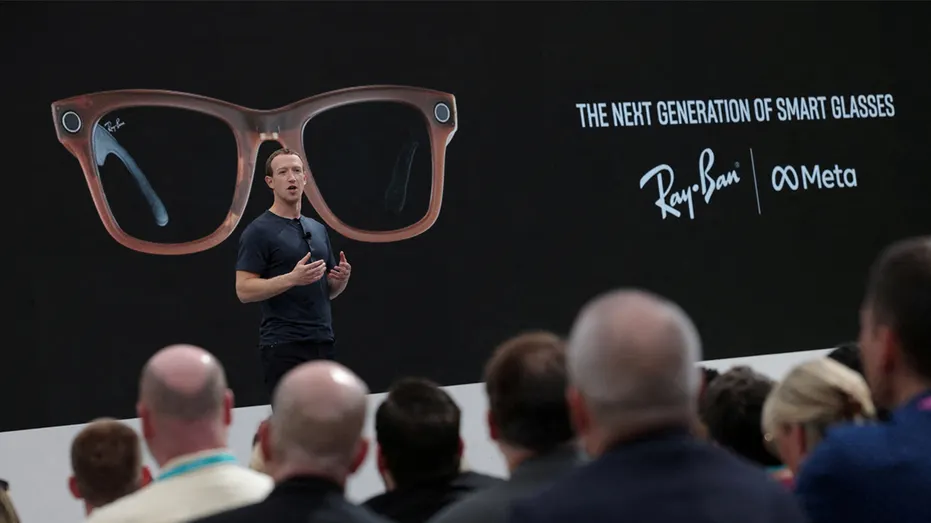
Meta, formerly known as Facebook, is preparing to launch the third generation of AI-powered Ray-Ban smart glasses, according to documents released by the U.S. Federal Communications Commission (FCC) earlier this month. Reports indicate that these devices, which have been tested as productivity tools, could become available to consumers within a few weeks.
This move is part of Meta's commitment to expand AI devices into the consumer market, in collaboration with EssilorLuxottica, the owner of the Ray-Ban brand. Documents that surfaced in early March suggest that the two companies are ready to send out two new models of glasses, indicating that the production process has already begun.
Event Details
Meta has not yet disclosed the technical specifications or new features of the upcoming models, but it is expected that these glasses will offer different design options rather than being entirely new products. The state of "ready for production" indicates that Meta has already begun manufacturing units, rather than merely testing prototypes.
Meta's strategy in the smart glasses sector has shown tangible results, as the company has successfully transformed these devices into desirable products thanks to their sleek designs that conceal cameras and integrate AI capabilities, helping to overcome the social stigma that previously hindered the use of smart devices.
Background & Context
Historically, smart glasses have posed significant challenges in the tech world, struggling to attract consumers due to privacy concerns and social usage issues. However, the collaboration between Meta and EssilorLuxottica has contributed to changing this perception, making smart glasses more acceptable in society.
These smart glasses represent a more practical step compared to Meta's ambitions of creating a metaverse, as they offer AI assistance in daily life, such as taking photos, recording videos, and answering questions through voice commands, without the need for large screens or entering virtual worlds.
Impact & Consequences
The accelerated pace of launching the third generation of Ray-Ban glasses reflects Meta's confidence in its ability to compete in the smart device market. Although there are no official sales figures, reports suggest that consumer interest has increased following the addition of AI features based on the Llama model.
The production period extending up to 18 months is an indicator of the maturity of the company's supply chain, as it benefits from EssilorLuxottica's expertise in eyewear, enhancing Meta's ability to deliver innovative products that meet market needs.
Regional Significance
In light of the global trend towards artificial intelligence, these smart glasses could present a new opportunity for Arab countries to enhance innovation in technology. With the growing interest in modern technology in the region, these products could help change the way individuals interact with technology in their daily lives.
In conclusion, the most important question remains: Will the Ray-Ban smart glasses achieve widespread acceptance among consumers, or will they remain exclusive to early adopters? With the expected launch date approaching in April or May, we will soon find out the answer.