In a significant shift in the tech world, Meta has announced the closure of the independent Messenger site and its integration with the Facebook app after 12 years since Mark Zuckerberg's decision to separate the service. This merger, scheduled for April 16, is part of the company's efforts to cut costs and improve user experience.
Users will be able to access the messaging interface through the Facebook sidebar, where all chat features will remain available, including calls, stickers, and files. However, this integration will be limited to the browser version, while the Messenger app will remain independent on smartphones.
Details of the Event
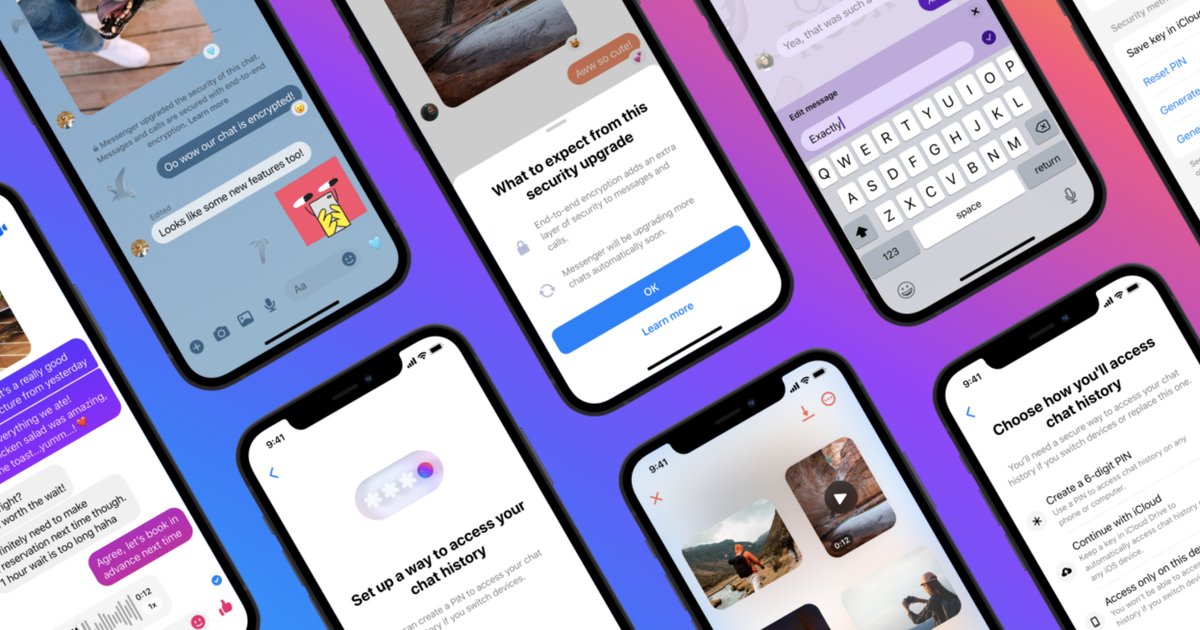
According to reports from the platform "Social Media Today", the integration will involve automatically redirecting users to the Facebook site when attempting to access the standalone Messenger link. Meta has confirmed that maintaining the security of conversations was one of the biggest challenges, as it adopted a unified encryption system that extends from the mobile app to the web interface.
To ensure that no data is lost, users will need to use a pre-generated security code to access their encrypted conversations. This measure reflects Meta's commitment to providing a secure experience for users during the integration process.
Background & Context
The roots of Messenger date back to 2011 when it was separated from Facebook as part of a strategy to expand messaging services. Since then, Messenger has become a highly popular independent platform, but financial challenges and increasing competition in the market have prompted Meta to reconsider its strategy.
Analyses from the International Business Times indicate that there are three main drivers behind this merger: reducing costs, increasing usage rates within the Facebook app, and facilitating access to the "Meta AI" assistant. This move reflects a shift in how Meta handles its services, as it seeks to create a unified app that combines e-commerce and social communication.
Impact & Consequences
This merger is seen as a strategic step aimed at enhancing advertising revenues for Facebook. According to Kevin Murphy, a senior data analyst at Gartner, Meta aims to create a "super app" that combines various services into a single interface. This trend could fundamentally change how users interact with digital platforms.
However, experts have warned that this merger could increase Meta's algorithms' ability to link users' private data with public activity. Simon White, a security expert, has urged users to activate encryption features to ensure their privacy.
Regional Significance
This merger represents an important shift in how messaging services are used in the Arab region, where many users rely on Messenger as a means of communication. This change may lead to increased reliance on the Facebook app, potentially affecting competition among other social media platforms.
In conclusion, despite the concerns that may arise from the closure of the independent Messenger site, Meta assures that the core of the service will remain unchanged, reflecting Messenger's return to Facebook after 12 years apart, but with technological improvements that enhance security and artificial intelligence.