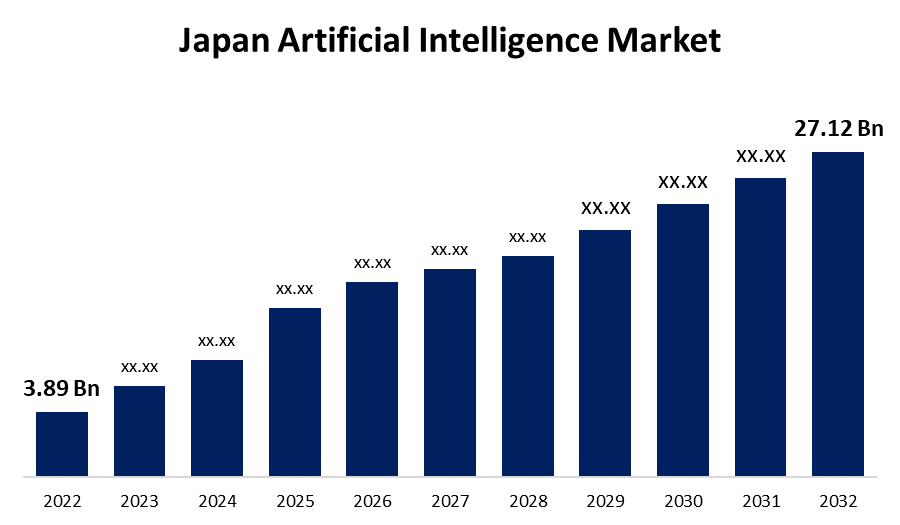
Microsoft has announced a significant investment of $10 billion to bolster its efforts in the field of artificial intelligence in Japan. This decision comes at a time when there is a growing global interest in AI technologies, as the company aims to strengthen its presence in the Japanese market and develop innovative solutions that meet customer needs.
Japan is considered one of the leading countries in technology and innovation, making it an ideal destination for Microsoft's investments. This investment is expected to enhance partnerships with local companies and develop new projects in various fields, including healthcare, manufacturing, and financial services.
Details of the Investment
This move is part of Microsoft's global strategy aimed at fostering innovation in the field of artificial intelligence. The company seeks to utilize these technologies to improve business efficiency and increase productivity. Reports indicate that Microsoft will work on developing new AI-based platforms, enabling Japanese companies to benefit from this advanced technology.
Additionally, Microsoft will enhance its collaboration with universities and research centers in Japan, which will help develop new skills in this field and train local talent. This investment reflects Microsoft's commitment to promoting innovation and supporting the digital economy in Japan.
Background & Context
In recent years, there has been a growing interest in artificial intelligence technologies worldwide, as these technologies have become an integral part of growth and development strategies across many industries. With the increasing reliance on data and analytics, companies are in need of intelligent solutions to improve their performance and enhance their competitiveness.
Japan is among the countries striving to adopt these technologies, as the Japanese government has launched several initiatives to promote innovation in artificial intelligence. These initiatives have attracted significant investments from global technology companies, reflecting the importance of the Japanese market in this sector.
Impact & Consequences
Microsoft's investment is expected to enhance innovation in Japan, leading to the creation of new job opportunities and increased productivity across various sectors. This investment will also help strengthen the ability of Japanese companies to compete in the global market.
Moreover, this investment could encourage other companies to explore investment opportunities in Japan, further enhancing the country's status as a leading technology hub in the region. This trend reflects the global movement towards promoting innovation and utilizing technology to improve quality of life.
Regional Significance
Microsoft's investment in Japan may have positive implications for the Arab region, as it could encourage Arab companies to explore collaboration opportunities with global firms in the field of artificial intelligence. It may also contribute to enhancing innovation in Arab countries through knowledge and experience exchange.
Furthermore, fostering innovation in artificial intelligence could lead to the development of technological solutions that meet the needs of the Arab market, thereby enhancing the ability of Arab countries to compete in the global digital economy.
In conclusion, Microsoft's investment in Japan represents a strategic move that reflects the company's commitment to enhancing innovation in the field of artificial intelligence. This investment is expected to have positive effects on the Japanese economy and may open new avenues for collaboration between global and local companies.