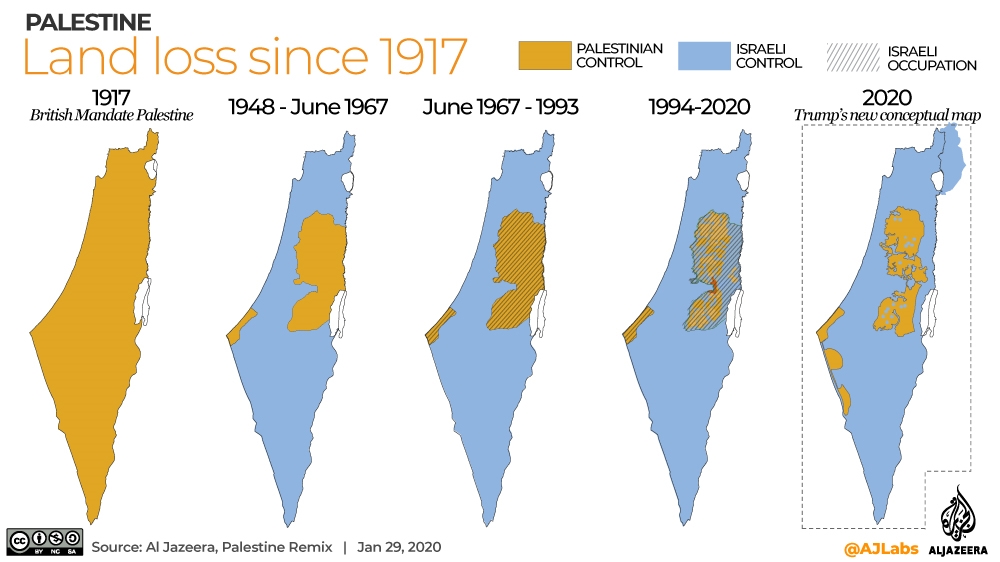
Rapid changes are occurring in the Middle East, with Palestinians seemingly sidelined from the political landscape. The challenges facing the Palestinian cause are increasing amid regional and international transformations. These changes raise questions about the future of Palestinians and their role in regional decision-making.
In recent years, the region has witnessed significant transformations, ranging from normalization agreements between some Arab countries and Israel to escalating tensions in conflict zones. These new dynamics place Palestinians in a difficult position, as their role in the political arena has diminished.
Details of the Event
Attention is turning to how these changes will affect the Palestinian cause. With the signing of normalization agreements, some Arab countries have begun to reassess their relationships with Israel, leading to the marginalization of the Palestinian issue. This trend reflects a shift in regional priorities, where some countries prefer cooperation with Israel over supporting Palestinians.
Furthermore, the internal Palestinian division between Fatah and Hamas exacerbates the situation. This division weakens Palestinians' ability to negotiate as a unified party, making them more susceptible to marginalization in any future peace talks.
Background & Context
Historically, the Palestinian issue has been a central focus in Arab politics. However, geopolitical changes in the region, such as conflicts in Syria and Libya, have led to a decline in interest in the Palestinian cause. The emergence of new powers in the region, such as Iran and Turkey, has also impacted traditional dynamics.
In recent years, some Arab countries have begun to reconsider their strategies, seeking to achieve their national interests through new relationships with Israel. This trend reflects profound changes in regional politics, where economic and security issues have taken precedence over the Palestinian cause.
Impact & Consequences
These changes significantly affect Palestinians, who face new challenges on the international stage. The decline in Arab support for the Palestinian cause could worsen humanitarian conditions in the occupied territories and increase the suffering of the Palestinian people.
Moreover, the marginalization of Palestinians in regional discussions may lead to heightened internal conflicts, as Palestinians may feel unrepresented, intensifying the divisions among various factions.
Regional Significance
These dynamics affect stability across the entire region. As tensions rise between Arab countries and Israel, security risks may increase, impacting all nations in the area. Additionally, the decline of the Palestinian cause could exacerbate humanitarian crises in the occupied territories, placing further pressure on neighboring countries.
In conclusion, the Palestinian cause faces unprecedented challenges amid current regional changes. Palestinians must reevaluate their strategies and unite to confront these challenges, at a time when the Palestinian issue seems to have receded to the background of regional politics.