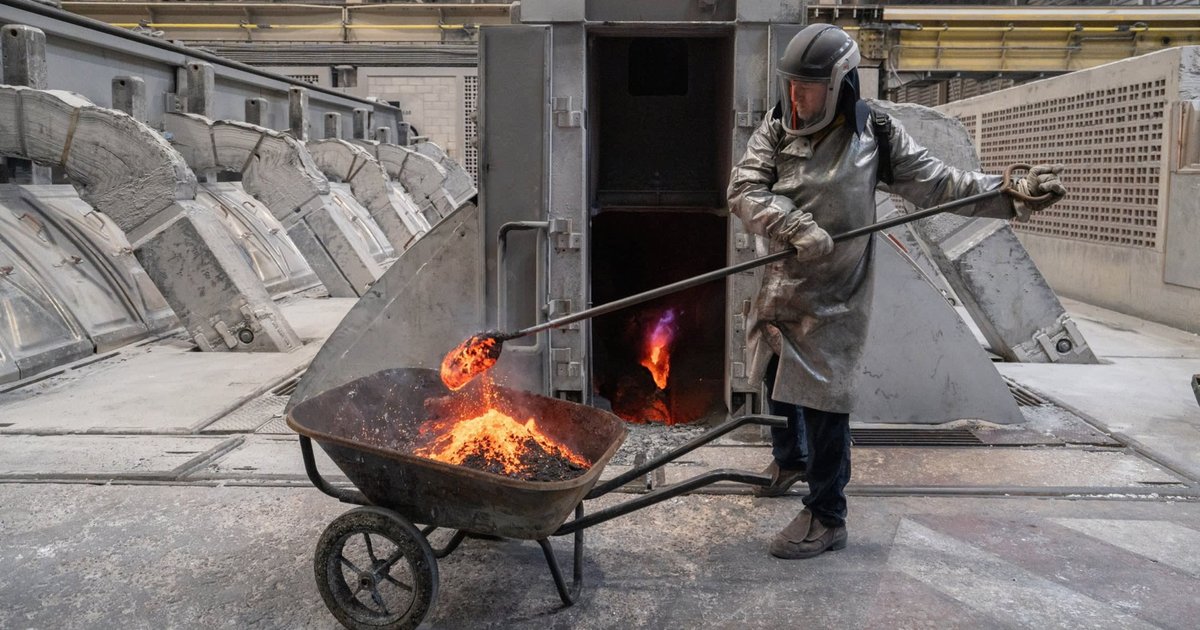
The global car industry is facing a severe crisis due to the ongoing conflict in the Middle East, which has disrupted aluminum supplies. The region's main production sources in the Gulf have been affected by energy issues and shipping bottlenecks, forcing car manufacturers to rely heavily on aluminum in their production processes.
The Gulf region is one of the world's most important sources of aluminum, contributing significantly to meeting global market demands. As tensions in the region escalate, companies are facing significant challenges in securing necessary supplies, threatening to disrupt production lines and drive up prices.
Event Details
Reports indicate that disruptions in energy supplies, combined with shipping bottlenecks, have led to reduced production in many factories in the Gulf. Some companies have been forced to reduce production volumes or even shut down production lines due to raw material shortages.
In these circumstances, car manufacturers are seeking to secure alternative aluminum supplies, but this may take time and increase costs. Companies that rely heavily on aluminum for car frame production may face difficulties meeting growing demand in the markets.
Background & Context
Historically, the Gulf region has been a major hub for aluminum production, with many countries hosting massive factories that produce large quantities of this metal. However, political and security tensions in the region have negatively impacted economic stability, leading to fluctuations in global markets.
Over the years, the region has experienced numerous conflicts that have disrupted supplies, but the current situation appears more complex due to the interplay of various factors, including global economic crises and climate change.
Impact & Consequences
The consequences of this crisis on the car industry are far-reaching, potentially leading to increased prices and production slowdowns. Companies that rely on aluminum may need to reassess their production and supply chain strategies.
Furthermore, this crisis may affect consumers, as rising prices may lead to reduced demand for new cars. Small and medium-sized enterprises may be the most affected, as they may struggle to absorb additional costs or secure alternative supplies.
Regional Significance
The Arab countries are directly affected by this crisis, as many economies rely heavily on aluminum exports. Therefore, any market fluctuations can impact government revenues and lead to economic growth slowdowns.
This crisis may also highlight the need for Arab economies to diversify and reduce their reliance on natural resources, potentially driving investment in new sectors such as technology and renewable energy.
Conclusion: The current situation in the Gulf region reflects the significant challenges facing the global car industry, emphasizing the importance of political and economic stability in ensuring sustainable production and supply chains.