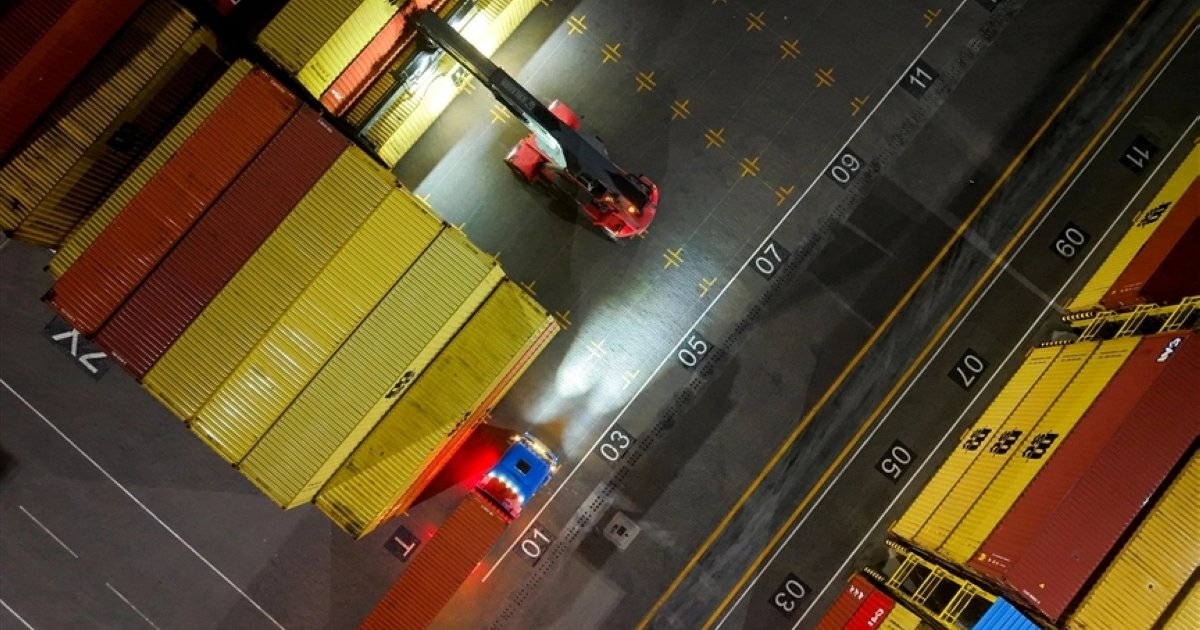
The World Food Programme reported on Tuesday that the ongoing conflict in the Middle East has led to the largest disruption in food supply chains since the onset of the COVID-19 pandemic and the outbreak of the war in Ukraine. Corinne Fleischer, the programme's supply chain director, stated that around 70,000 tons of food have been severely impacted, with shipments delayed or held up in ports due to disturbances linked to the Strait of Hormuz.
Fleischer noted that the current situation has resulted in widespread bottlenecks, with ships facing difficulties in docking or departing, and containers remaining unloaded. She pointed out that rerouting shipments around Africa adds 25 to 30 days to delivery times, increasing shipping costs by 15 to 25 percent.
Details of the Situation
In light of these circumstances, the World Food Programme is seeking priority access to shipments and has successfully negotiated exemptions from additional fees, resulting in savings estimated at around $1.5 million so far. However, Fleischer warned of increasing humanitarian needs, with forecasts indicating that 45 million people may face acute hunger by June.
She explained that high costs and logistical challenges could limit the agency's ability to reach those in need, while these conditions may drive global food prices higher.
Background & Context
The Middle East is one of the most sensitive regions in the world, experiencing ongoing conflicts that affect food security. In recent years, the region has seen a rise in conflicts, exacerbating humanitarian crises. The Strait of Hormuz, one of the world's most critical waterways, plays a vital role in transporting oil and food commodities, and any disruption there directly impacts global markets.
Historically, crises in this region have been linked to political and economic conflicts, highlighting the importance of stability in achieving food security. As tensions rise, it becomes essential to enhance international efforts to address these crises.
Impact & Consequences
The repercussions of disruptions in food supply chains extend beyond the region, affecting global prices and increasing levels of poverty and hunger in developing countries. Rising shipping and logistics costs may lead to higher food prices in global markets, negatively impacting low-income households.
Moreover, these crises could exacerbate humanitarian conditions in countries reliant on food imports, necessitating an urgent response from the international community. Strengthening cooperation between countries and humanitarian organizations has become an urgent necessity to tackle these challenges.
Regional Significance
Arab countries are among the most affected by the repercussions of conflicts in the Middle East, as many rely on food imports to meet their populations' needs. Rising food prices could worsen economic and social crises in these countries, calling for urgent measures to ensure food security.
In this context, Arab nations must enhance regional and international cooperation to address food security challenges and work on developing effective strategies to mitigate the impacts of current crises.