Melissa Otto, head of research at S&P Global Market Intelligence, has reported that the massive investments in artificial intelligence that have supported record highs in stock markets are now facing a significant hurdle due to the repercussions of the Middle East crisis, which casts a shadow over growth prospects and energy costs.
Before the outbreak of the Iranian war, tech giants such as Microsoft, Amazon, Alphabet, and Meta were planning to spend around $635 billion on data centers, chips, and other AI infrastructure by 2026, according to estimates from S&P Global. This figure marks a notable increase from $383 billion the previous year and just $80 billion in 2019.
Event Details
Although tech companies have not yet announced any cuts to their capital investments, the continued rise in oil prices may force them to reassess spending during the first and second quarters, potentially leading to a "significant correction across all stock markets," Otto reported.
In an interview with Reuters in Tokyo on Monday, Otto stated, "I believe that if capital spending numbers are reduced, and if energy prices do not reflect in profits, that could be a triggering factor." The enthusiasm surrounding AI has pushed global stock indices beyond 2025 levels, with high expectations for this trend to continue, but momentum has begun to wane since the outbreak of the conflict.
Context and Background
At the same time, energy costs have become a fundamental challenge. Data centers require vast amounts of electricity, making AI sensitive to energy prices and infrastructure capacity. During last week's Searawik energy conference in Houston, oil executives warned that supply risks have not been fully reflected in prices, raising concerns about future spikes and their impacts on the global economy, Otto noted.
She added, "We are witnessing fundamental questions about global growth today, because if energy prices rise by 30 percent, it will harm both consumers and businesses alike."
Consequences and Impact
Concerns are growing that rising energy costs could lead to a decline in investments in the AI sector, which may negatively affect innovations and technological developments in the future. Additionally, any correction in stock markets could result in reduced spending on research and development, hindering progress in this vital sector.
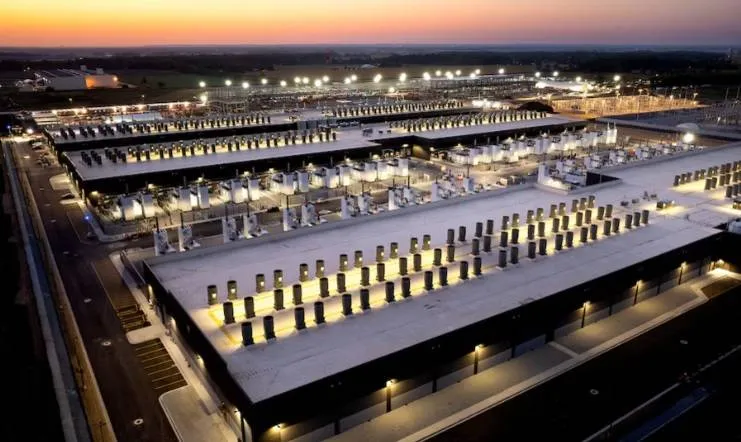
Data centers require massive amounts of energy, making them vulnerable to price fluctuations. As the conflict in the Middle East continues, pressure on energy prices may increase, threatening the sustainability of AI investments.
Impact on the Arab Region
The Arab region, particularly the Gulf states, is one of the key players in the global energy market. As geopolitical crises escalate, AI investments in these countries may be affected, hindering the achievement of sustainable development goals. Furthermore, rising energy prices could impact companies' ability to compete in the global market.
In conclusion, it is evident that the Middle East crisis and high energy costs pose significant challenges to the growth of AI investments, necessitating new strategies to adapt to these changing conditions.