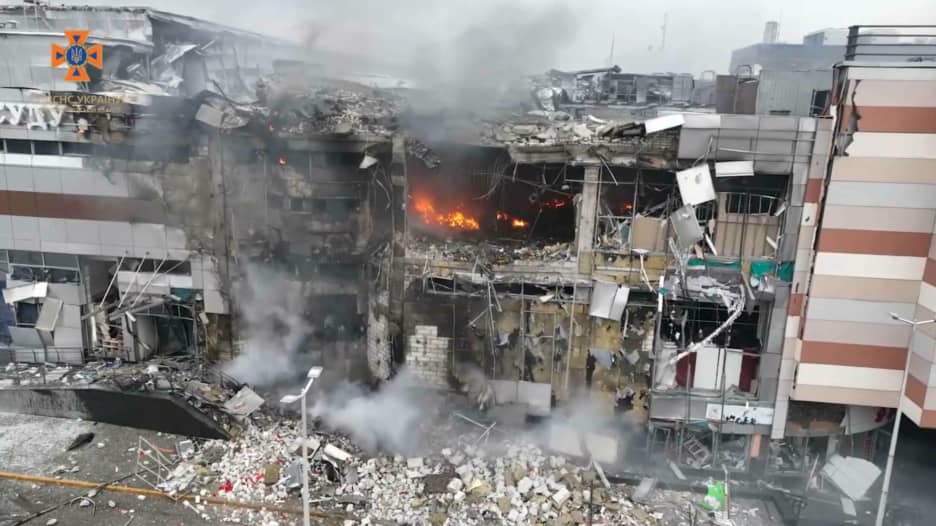
The ongoing repercussions of the war in the Middle East are affecting the global economy, as financial markets have experienced sharp fluctuations on the twenty-seventh day of the conflict. As the fighting escalates, fears of long-term impacts on global economic growth have prompted many experts to reassess their growth forecasts across various sectors.
With the fighting continuing, economic reports indicate that oil prices have seen notable increases, surpassing $90 per barrel for Brent crude. This rise comes at a sensitive time, as the global economy is still grappling with the aftermath of the COVID-19 pandemic and rising inflation.
Details of the Event
As conditions in the Middle East intensify, economic data shows that many major countries are beginning to suffer from the consequences of this conflict. A report from the International Monetary Fund indicated that the conflict could lead to a slowdown in growth for several economies, including the United States and Europe.
Financial markets have also observed a decline in global stock indices, with many major companies losing part of their market value. This decline reflects growing concerns among investors about the stability of the situation in the region and its impact on global supply chains.
Background & Context
Historically, the Middle East has always been a center of political and economic conflicts, affecting global economic stability. Armed conflicts in this region often lead to rising energy prices, negatively impacting the economies of oil-importing countries.
Over the past few years, the region has witnessed numerous conflicts, from the war in Iraq to the Syrian conflict, all of which have had repercussions on the global economy. As current tensions escalate, it seems history is repeating itself, raising concerns among economists.
Impact & Consequences
The repercussions of the war in the Middle East extend beyond geographical borders, affecting global markets. Rising oil prices may lead to increased transportation and production costs, which will reflect on the prices of goods and services. This situation could contribute to rising inflation rates in many countries.
Furthermore, the political uncertainty may lead to a decline in foreign direct investments, impacting long-term economic growth. Many major companies may reassess their investments in the region, potentially resulting in job losses and increased unemployment rates.
Regional Significance
For Arab countries, the repercussions of the war may be more severe. Many nations heavily rely on oil exports, and any decline in prices could negatively affect their budgets. Additionally, the conflict may exacerbate humanitarian crises in the region, increasing pressures on governments.
Under these circumstances, Arab countries must seek new strategies to adapt to global economic changes, including diversifying their economies and reducing dependence on oil.
In conclusion, the repercussions of the war in the Middle East on the global economy remain a complex issue that requires careful monitoring. As the conflict continues, the question remains open as to how it will affect the future of the global economy and Arab economies.