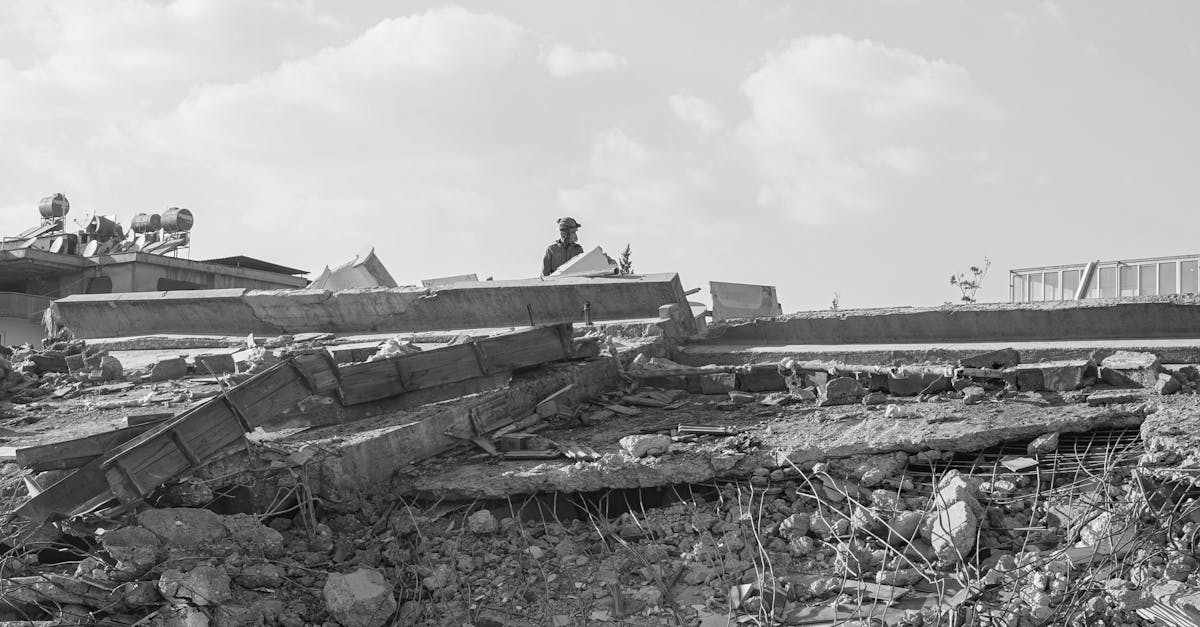
A mild earthquake measuring 2.6 on the Richter scale struck the Kolaka region of Indonesia in the early hours of Sunday, with no reported damage or tsunami threats. The earthquake occurred at 00:56 local time, according to the Indonesian Meteorology, Climatology and Geophysics Agency (BMKG).
The agency identified the earthquake's epicenter as being located eight kilometers northwest of Kolaka, at a depth of three kilometers below the surface. Nasrul Adil, an official at the agency, confirmed that the earthquake was caused by the activity of a series of active faults in the area.
Details of the Event
Nasrul Adil noted that the earthquake was of a shallow type, meaning it occurred close to the earth's surface, which explains why residents felt it. The effects of the earthquake were observed in areas such as Latambaga and Kolaka, where residents reported vibrations that were described as similar to the passage of a heavy vehicle.
Despite some residents feeling the earthquake, there were no reports of physical damage or injuries. The agency also confirmed that there was no tsunami threat resulting from this earthquake.
Background & Context
Indonesia is considered one of the most earthquake-prone countries in the world, located on the Pacific Ring of Fire, which experiences frequent seismic activity. Historically, Indonesia has witnessed devastating earthquakes, including the Sumatra earthquake in 2004, which resulted in catastrophic tsunami waves.
It is worth noting that mild earthquakes like the one that occurred in Kolaka happen frequently and often do not lead to damage. However, public awareness regarding earthquakes and how to respond remains crucial in areas prone to these natural phenomena.
Impact & Consequences
Although no damage was recorded, even mild earthquakes can raise concerns among residents, especially in areas that have experienced previous devastating events. It is important for local authorities and citizens to remain vigilant and receive information from reliable sources such as BMKG.
Earthquakes can also impact tourism in the region, as some tourists may hesitate to visit earthquake-prone areas, which in turn affects the local economy.
Regional Significance
While earthquakes in Indonesia may seem distant from the Arab region, they remind us of the importance of preparedness for natural disasters. Many Arab countries, such as Lebanon and Syria, are also located in seismic zones, necessitating increased public awareness about how to handle earthquakes.
In conclusion, communities around the world, including Arab nations, must be prepared to face challenges that may arise from natural disasters and learn from the experiences of other countries in this field.