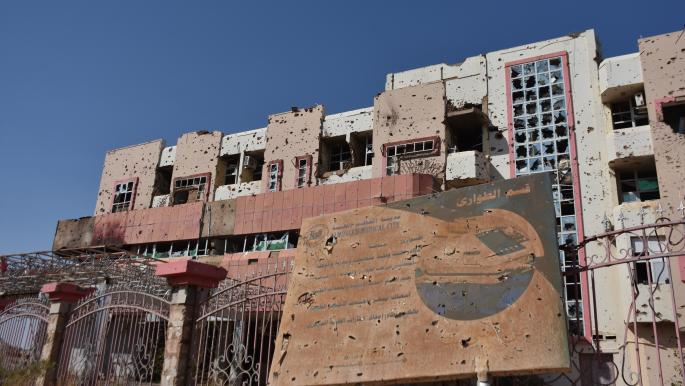
Military assaults in Sudan between the Sudanese army and the Rapid Support Forces persist, with hospitals and medical facilities subjected to repeated shelling, turning them into battlefields. These catastrophic conditions put patients' lives at risk and increase their suffering amid a severe shortage of essential medical services.
As the conflict escalates, hospitals in conflict zones are experiencing widespread destruction, forcing many doctors and nurses to abandon their posts, which exacerbates the health situation. Reports indicate that some hospitals are now unable to provide necessary care to patients, threatening the lives of many.
Details of the Incident
Information indicates that the Sudanese army and Rapid Support Forces have exchanged shelling at each other's positions, resulting in the destruction of hospitals in several areas, including the capital, Khartoum. These assaults have not been limited to medical facilities but have also targeted civilians, compounding the humanitarian disaster.
Hospitals that were once considered sanctuaries for patients are now at the mercy of gunfire, with cases of death among patients reported due to the lack of necessary medical care. Additionally, many patients in need of urgent surgical procedures have been unable to receive treatment, further compounding their suffering.
Background & Context
Historically, Sudan has witnessed multiple armed conflicts, but the current struggle between the Sudanese army and the Rapid Support Forces is considered one of the bloodiest. Since the outbreak of the conflict, humanitarian conditions have deteriorated significantly, with millions of Sudanese suffering from acute shortages of food and medicine.
It is worth noting that Sudan is grappling with a crippling economic crisis, adversely affecting the government's ability to provide basic services. As the conflict escalates, the situation becomes more complex, with increasing numbers of displaced persons and refugees, placing additional pressure on neighboring countries.
Impact & Consequences
The repercussions of the conflict in Sudan extend beyond national borders, affecting the stability of the entire region. The rising number of Sudanese refugees could exacerbate humanitarian crises in neighboring countries, such as Chad and South Sudan, necessitating international intervention.
Moreover, the continued assaults on hospitals and medical facilities could lead to the outbreak of diseases, threatening the lives of more civilians. In the absence of effective international support, the situation in Sudan remains extremely concerning.
Regional Significance
The conditions in Sudan serve as a wake-up call for other Arab countries, demonstrating how internal conflicts can lead to widespread humanitarian crises. The negative impact of the Sudanese conflict could extend to neighboring countries, prompting the need for coordinated regional and international efforts to resolve the crisis.
Ultimately, hope remains pinned on the possibility of reaching a peaceful solution that ends the suffering of the Sudanese people and rebuilds its health institutions, which have been severely damaged due to the ongoing conflict.