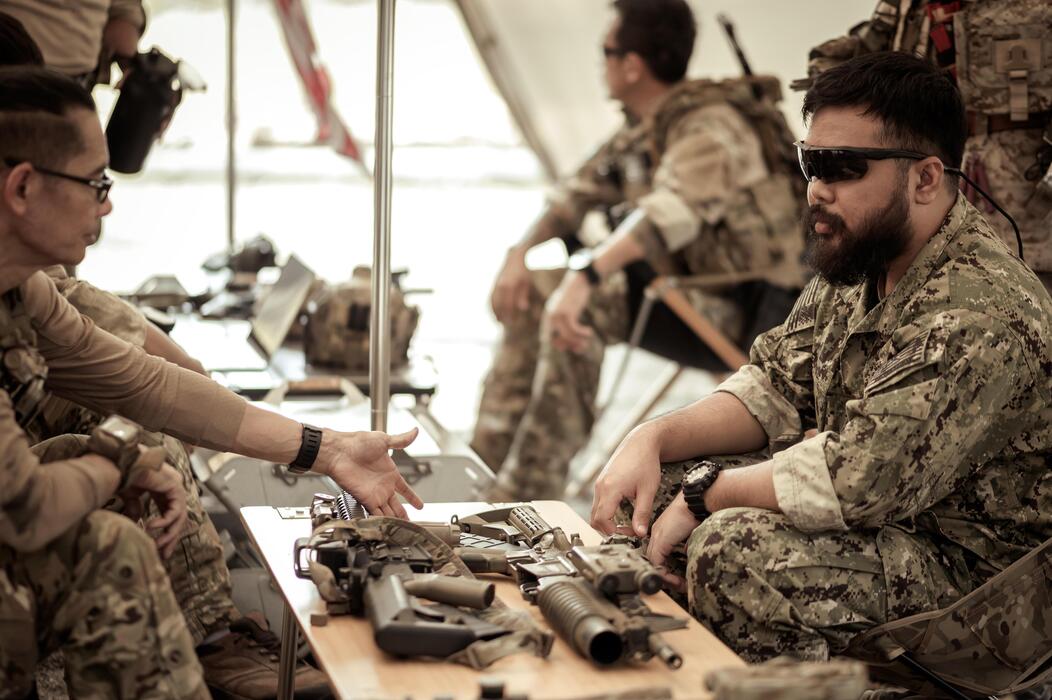
A military coalition consisting of 30 countries met in London to discuss a strategic plan aimed at securing the Strait of Hormuz, following the cessation of hostilities in the area. This meeting reflects the significance of the strait as one of the most crucial maritime passages in the world, through which approximately 20% of the world's total oil supply transits.
This initiative comes at a sensitive time, as the international community seeks to bolster maritime security amid rising tensions in the region. Participants emphasized the necessity of joint cooperation to address security challenges that could threaten navigation safety in the strait.
Details of the Meeting
The meeting included discussions on various strategies, such as enhancing military presence in the region and sharing intelligence among member states. The importance of coordination between naval forces was also highlighted to ensure a rapid response to any potential threats.
Participants expressed concern over the increasing military activities in the area, stressing the need for proactive measures to protect the economic interests of the involved countries. A proposal was made to establish a joint mechanism for monitoring ship movements in the strait.
Background & Context
The Strait of Hormuz is a vital point in global trade, linking the Arabian Gulf with the Gulf of Oman. In recent years, the strait has witnessed numerous incidents affecting navigation, including attacks on oil tankers.
Historically, the strait has been a theater for political and military tensions between regional states and major powers, underscoring the importance of international cooperation in securing it. This meeting is part of major powers' efforts to ensure regional stability and enhance maritime security.
Impact & Consequences
If the participating countries succeed in implementing their plans, it could lead to improved maritime security in the region and reduced risks faced by commercial vessels. Additionally, strengthening military cooperation may help alleviate tensions among the concerned states.
On the other hand, these plans may face significant challenges, including resistance from certain regional parties that may view these steps as a threat to their interests. Therefore, the success of these initiatives depends on the member states' ability to overcome political disagreements.
Regional Significance
This step is crucial for the Arab countries bordering the Gulf, as their economies heavily rely on oil exports through the Strait of Hormuz. Any threat to navigation in this strait could negatively impact the stability of global oil prices.
Moreover, enhancing maritime security could contribute to improving relations between Arab countries and major powers, potentially opening new avenues for cooperation in other areas such as trade and investment.
In conclusion, the military coalition meeting in London represents an important step towards enhancing security in the Strait of Hormuz, reflecting the commitment of participating countries to protect their economic interests and ensure safe navigation in this vital corridor.