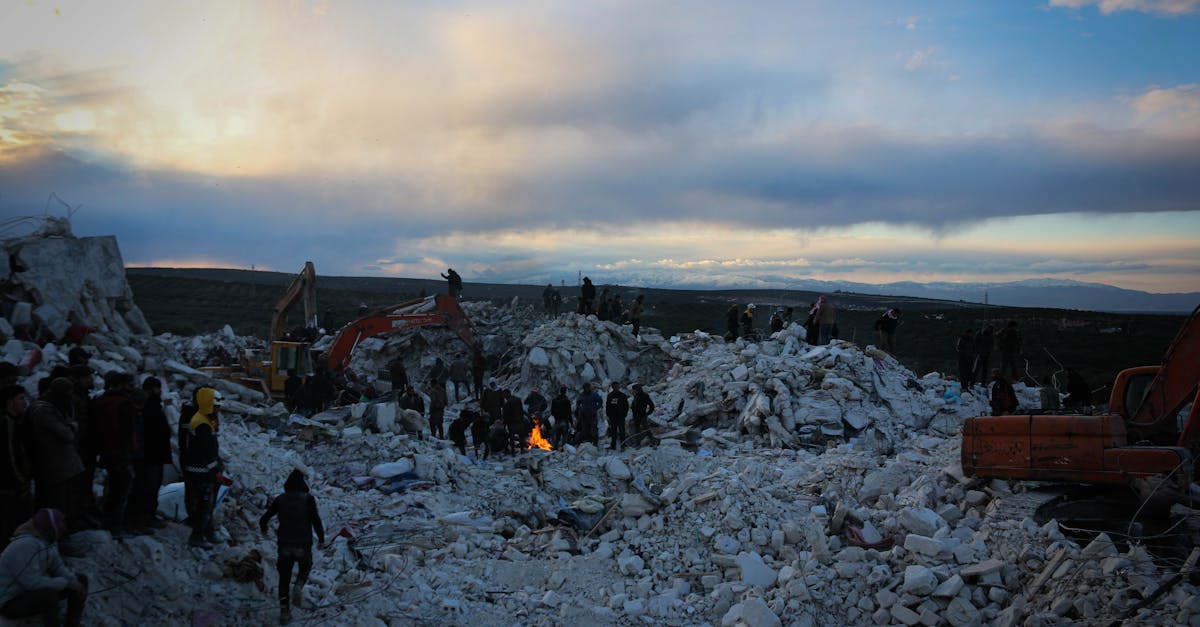
Reports from the United Nations Development Programme indicate that military escalation in the Arab region is causing significant economic losses. The report highlights that ongoing conflicts negatively impact economic growth and stability in Arab countries.
According to the report, armed conflicts, whether internal or between countries, lead to the destruction of infrastructure, increased unemployment rates, and a decline in investments. These conditions contribute to the spread of poverty and a deterioration in the living standards of citizens.
Details of the Event
The report reveals that Arab countries experiencing military escalation are suffering from a sharp decline in Gross Domestic Product (GDP). For instance, data indicates that some countries affected by conflicts have seen a decrease of up to 30% in GDP in recent years. Additionally, these conflicts lead to the displacement of millions of citizens, further increasing the economic burdens on neighboring countries.
Statistics show that the cost of armed conflicts in the Arab region is estimated in billions of dollars, as reconstruction after the conflict requires massive resources. This is in addition to the social and psychological challenges faced by affected communities.
Background & Context
Historically, the Arab region has witnessed numerous armed conflicts, ranging from civil wars to disputes between nations. These conflicts have contributed to creating an unstable environment, adversely affecting economic and social development. For example, the conflict in Syria since 2011 has led to widespread destruction of infrastructure, significantly impacting the local economy.
Moreover, conflicts in Yemen, Libya, and Iraq have exacerbated economic conditions, leading to a decline in both foreign and local investments, which has increased unemployment and poverty rates. These situations reflect the urgent need for sustainable political solutions to end conflicts and achieve stability in the region.
Impact & Consequences
The repercussions of military escalation extend beyond economic dimensions to include social and political aspects. Conflicts lead to the proliferation of corruption and an increase in the gap between social classes, threatening political stability in affected countries. Additionally, the deterioration of economic conditions enhances feelings of frustration and despair among youth, which may lead to the spread of extremism and violence.
Furthermore, the economic impact of conflicts extends to neighboring countries, where their economies are affected by the increasing number of refugees and declining trade. This imposes additional challenges on governments in those countries to address the humanitarian and economic crises resulting from conflicts.
Regional Significance
The Arab region is considered one of the most affected areas by armed conflicts, threatening its economic and social stability. Reports indicate that foreign investments in the region have significantly declined due to the risks associated with conflicts. This decline impacts job opportunities and economic growth, increasing the burdens on governments.
In conclusion, the current situation in the Arab region requires coordinated international and local efforts to end conflicts and achieve peace. Cooperation between Arab countries and the international community is the only way to achieve stability and sustainable development in the region.