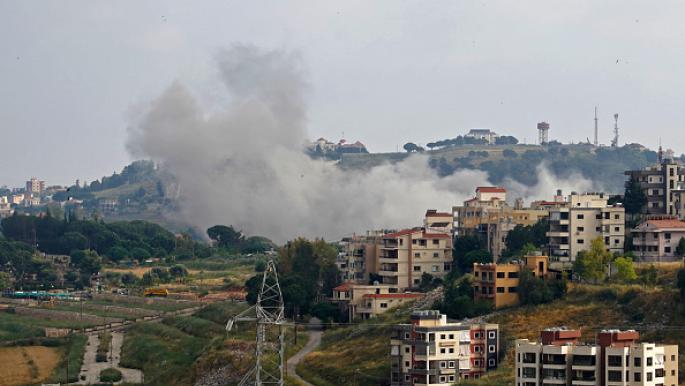
Military operations are ongoing in Lebanon, with the Israeli occupation army announcing an expansion of its aggression in the southern regions. Residents in extensive areas have been informed to evacuate their homes, reflecting a serious escalation in tensions between the two sides.
The military movements come at a sensitive time, as fears of escalating violence in the region have increased. The Israeli occupation has not only issued threats but has also begun executing military operations targeting new areas, complicating the security situation in Lebanon.
Details of the Event
In recent days, the occupation forces issued evacuation orders for large areas in southern Lebanon, particularly near the Zahrani River. These orders were issued amid increasing military escalation, with intensive military movements observed in the region. The occupation aims to expand the scope of its operations, raising concerns among local residents and the international community.
These developments come at a time when tensions between Lebanon and Israel are escalating, with exchanges of fire reported along the border in recent weeks. The Israeli occupation justifies its operations as necessary for its security, while Lebanese citizens view them as violations of their sovereignty.
Background & Context
Historically, the Lebanese-Israeli border has witnessed numerous armed conflicts, with the area being a stage for recurring struggles. The Israeli occupation withdrew from southern Lebanon in 2000, but tensions have not ceased; rather, they have continued to escalate, especially after the 2006 war. The economic and political conditions in Lebanon complicate the possibility of reaching peaceful solutions.
The Israeli occupation relies on military strategies aimed at deterring any potential threats from Lebanon, while Hezbollah seeks to strengthen its position as a resistance force. This ongoing conflict reflects broader regional tensions, including the impacts of conflicts in Syria and Palestine.
Impact & Consequences
The military escalation in Lebanon could lead to serious repercussions for regional security. The evacuation of areas may cause a new humanitarian crisis, as civilians face the risk of displacement and forced migration. Additionally, the continuation of military operations could drag the region into a wider conflict, further complicating the situation in the Middle East.
The international community is closely monitoring the situation, as recent developments may require urgent diplomatic intervention. Any further escalation could threaten stability in Lebanon and affect relations between neighboring countries.
Regional Significance
The situation in Lebanon has direct implications for neighboring Arab countries, as any escalation could lead to an influx of refugees into countries like Syria and Jordan. Humanitarian conditions may deteriorate, necessitating an urgent response from the international community.
Moreover, the military escalation could impact relations between Arab countries and Israel, potentially provoking strong reactions from nations that support the Palestinian cause. The situation in Lebanon remains a focal point in the Arab-Israeli conflict, reflecting ongoing challenges in the region.