In a dramatic turn of events in the Gulf region, Israeli and American forces have conducted airstrikes on Iranian Khark Island, which is considered a strategic point in oil production. The attack comes after clear Iranian threats that Tehran would take measures to deprive the United States and its allies of oil and gas for extended periods.
The Iranian news agency "Mehr" reported that several explosions were heard in the area, indicating a rise in military tensions. This escalation occurs at a sensitive time, as the deadline set by former U.S. President Donald Trump for confronting Iran approaches its end.
Details of the Attack
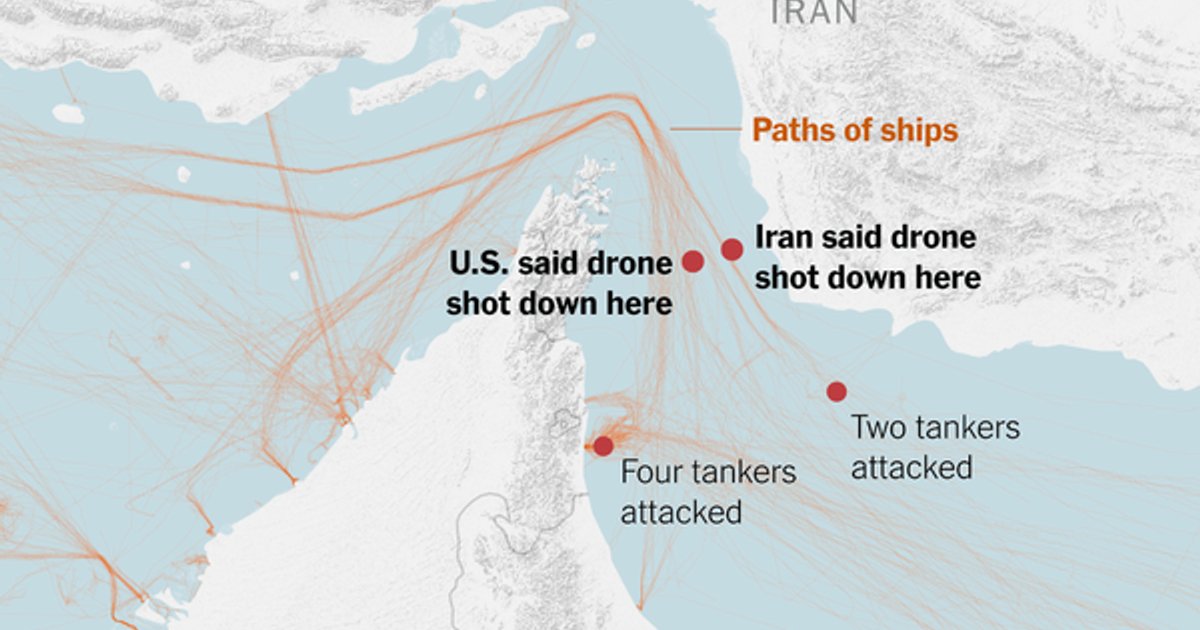
Khark Island, located in the Arabian Gulf, is a major center for Iranian oil export operations. The attacks targeting it highlight the complexity of the security situation in the region, where military and political interests intersect. Reports have noted the occurrence of strong explosions, raising concerns among local residents and international observers.
The military escalation also reflects Israel's strategy in countering the increasing Iranian influence in the region, as Tel Aviv views Iran's presence in the Gulf as a direct threat to its national security. In response, Iran has issued strong threats against these attacks, increasing the likelihood of further conflict escalation.
Background & Context
Historically, the Gulf region has witnessed recurring tensions between Iran and the United States and its allies. Since the U.S. withdrawal from the Iranian nuclear deal in 2018, tensions have notably escalated. Iran, which is suffering from severe economic sanctions, is seeking to enhance its military capabilities and expand its influence in the region.
In recent years, relations between Iran and Western countries have deteriorated significantly, with Tehran accused of threatening navigation in the Gulf and developing its nuclear program. These events place the region in a state of instability, affecting global oil prices.
Impact & Consequences
The attacks on Khark Island could have serious repercussions on global oil markets. Any disruption to oil supplies from Iran could significantly raise oil prices, impacting the global economy. Additionally, the escalation of military conflict could lead to greater international interventions, complicating the situation further.
Military tensions may also provoke reactions from other countries in the region, such as Saudi Arabia and the UAE, which may feel concerned about the rising Iranian influence. These dynamics could lead to new alliances or further tensions in the Gulf region.
Regional Significance
This military escalation reflects the increasing tensions in the Gulf region and its impact on the stability of global oil markets. The situation remains precarious, with the potential for further conflict affecting not only regional players but also global economic stability.
As the situation unfolds, the international community will be closely monitoring developments, as the implications of these strikes extend beyond the immediate region, influencing global energy security and geopolitical relations.