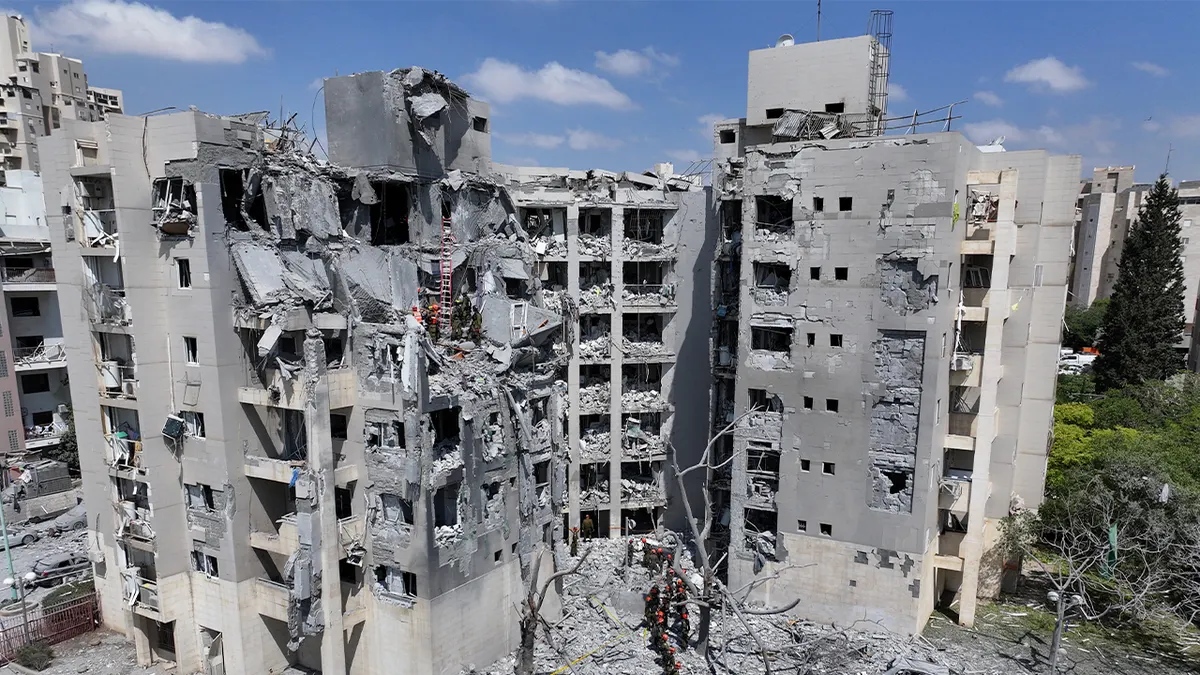
Recent hours have witnessed an unprecedented military escalation between Iran and Israel, with both sides exchanging fire, leading to injuries among civilians in West Jerusalem and fatalities in the Iranian capital, Tehran. This escalation comes at a sensitive time amid increasing regional tensions and reflects a state of instability in the area.
Reports indicate that the bombardment targeting West Jerusalem resulted in several injuries, while Iran retaliated by striking sites associated with Israel, leading to deaths and injuries in Tehran. This escalation reflects rising tensions between the two parties and raises fears of a broader conflict in the region.
Details of the Incident
According to local sources, Iranian missiles targeted military sites in Israel, causing loud explosions in surrounding areas. In response, Israeli forces bombarded Iranian positions, resulting in civilian casualties. These events occur amid escalating tensions between Iran and Israel, where fears of military escalation that could lead to a comprehensive conflict are increasing.
Analyses suggest that this escalation may be a result of the political and economic pressures facing Iran, in addition to ongoing tensions surrounding the Iranian nuclear program. Furthermore, the escalation comes at a sensitive time, with increasing international pressure on Iran, complicating the situation in the region.
Background & Context
Historically, relations between Iran and Israel have been marked by increasing tensions, especially since the Islamic Revolution in Iran in 1979. Since then, Iran has viewed Israel as a primary enemy and has supported armed groups hostile to Israel in the region. In recent years, these tensions have intensified with the continuation of the Iranian nuclear program, leading to international sanctions on Tehran.
Recent events in Jerusalem, including the escalation in the West Bank and Gaza Strip, have further heightened tensions. These events contribute to creating an unstable environment, increasing the likelihood of military escalation between the two sides.
Impact & Consequences
The military escalation between Iran and Israel could have serious implications for regional security. If this escalation continues, it could lead to a comprehensive conflict in the region, affecting many neighboring countries. Additionally, this escalation may impact oil prices and financial markets, increasing economic pressures on the involved nations.
Moreover, the escalation could lead to heightened tensions between major powers, particularly the United States and Russia, complicating the regional situation further. These dynamics could result in military or political interventions by major powers, adding to the complexity of the situation.
Regional Significance
The escalation between Iran and Israel has direct implications for Arab countries, as it could lead to increased tensions in areas such as Iraq, Syria, and Lebanon. These countries may witness an escalation in military activities, exacerbating civilian suffering and affecting regional stability.
Furthermore, this escalation could impact relations between Arab nations and Iran, as there may be increased pressure on Arab governments to address the rising tensions. At the same time, some armed groups may exploit these tensions to enhance their influence, complicating the situation in the region.
In conclusion, the military escalation between Iran and Israel poses a significant challenge to security and stability in the region. It is crucial for regional and international powers to take urgent steps to reduce tensions and prevent the outbreak of conflict, ensuring the safety of civilians and regional stability.