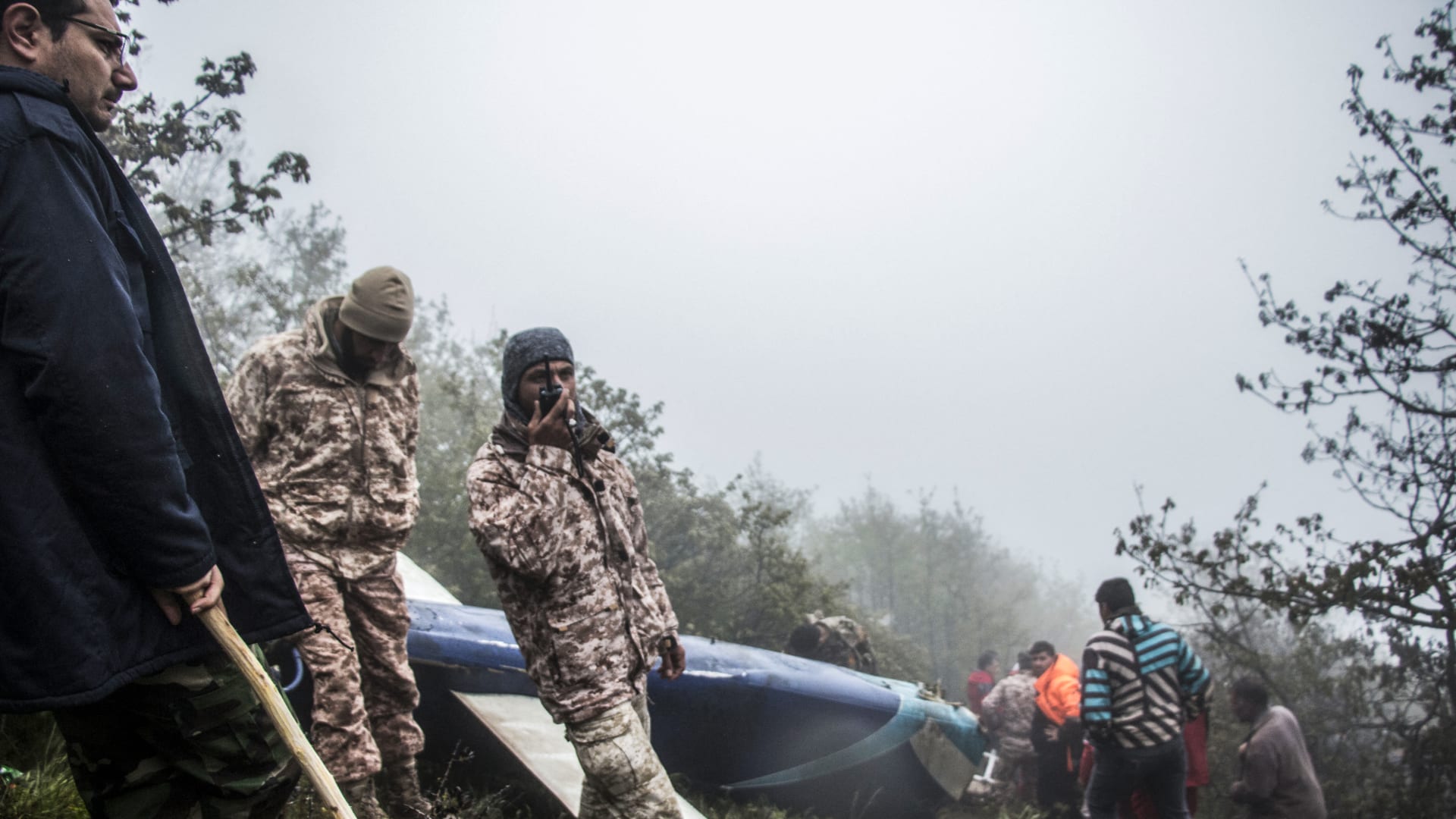
A military helicopter crashed in Qatari territorial waters, resulting in the deaths of all seven individuals on board. The incident, which took place on Sunday, was attributed by Qatari authorities to a 'technical malfunction' during joint training operations between Qatari and Turkish forces. The crew included four Qatari soldiers, one Turkish soldier, and two technicians from the Turkish company ASELSAN. So far, the locations of all the bodies have been identified, and the Qatari Ministry of Interior has expressed its condolences to the families of the victims.
This incident comes at a time when Qatar and Turkey are keen to strengthen their military ties, with Turkey establishing a military base in Doha since 2014. This military partnership reflects the close cooperation between the two countries, which includes military technology exchange and joint training.
An investigation into the incident has commenced to determine the technical reasons that led to the helicopter's crash. The Turkish Ministry of Defense stated that the helicopter was conducting a drill as part of the joint command of Qatari and Turkish forces. This incident is particularly painful given the increasing sensitivity to security situations in the region, especially amid ongoing tensions between the United States and Israel on one side and Iran on the other. These events highlight the state of instability in the region, which may affect security cooperation among the countries involved.
Considering the events in the Gulf region, any incident related to military capabilities takes on significant geopolitical dimensions. This occurrence emphasizes the importance of air security for military factors at a time when the region is witnessing escalating tensions involving mutual threats between Iran and Gulf states, as well as between the United States and its allies.
This serious incident reflects the benefit of the Turkish military base in Qatar. While Qatar seeks to enhance its defense capabilities and face regional challenges, Turkey is following its strategy to expand its influence in the region.
Arab populations should realize that such incidents raise important questions about security stability, especially since Qatar is considered one of the key hubs for military cooperation in the Gulf. Amid changing circumstances, the question remains about these countries' abilities to face future threats without making fundamental changes to their defense strategies.
In light of this incident, Arab governments must study the situation carefully and evaluate their options for enhancing defense cooperation so that they can confront growing challenges. How will this incident affect relations between Qatar and Turkey? Could it raise concerns among other Gulf Cooperation Council countries? The coming days will be crucial for finding answers to these questions.