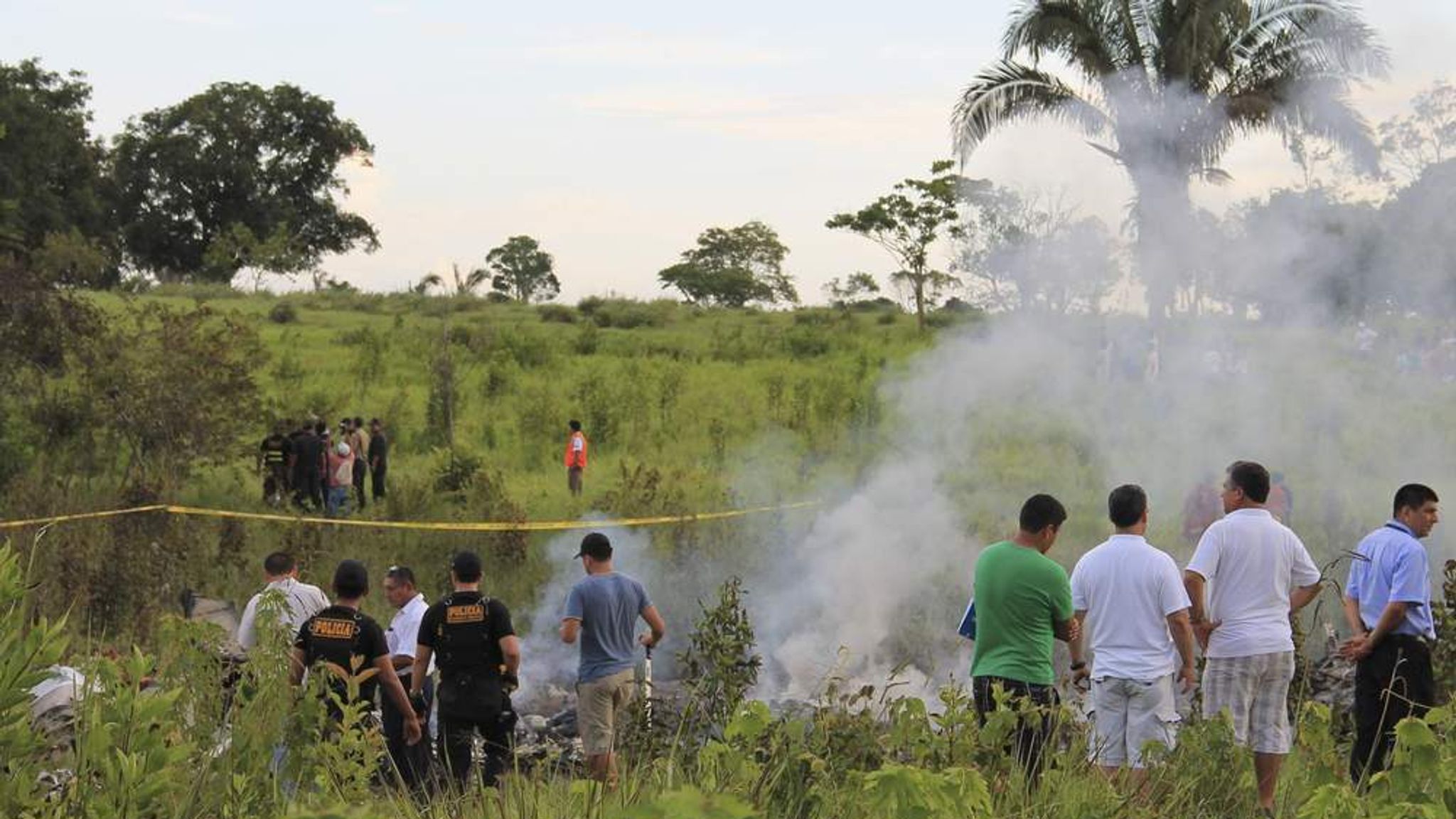
Fifteen people died in a military helicopter crash in a remote area of southern Peru. The incident occurred during a routine mission, raising concerns about military aviation safety in the country.
This incident is considered one of the worst aviation disasters Peru has witnessed in recent years, as the helicopter was carrying a crew of military personnel along with some civilians. The crash took place in a rugged mountainous area, complicating rescue efforts.
Details of the Incident
According to initial reports, the helicopter was on a mission to transport supplies to military units in remote areas. Local authorities reported that the aircraft lost contact with the control tower before crashing.
Rescue teams continue to search for any survivors, while medical teams have been dispatched to the crash site to provide assistance. The Peruvian government confirmed that it will launch a comprehensive investigation to determine the causes of the incident.
Background & Context
Historically, Peru has experienced numerous aviation incidents, particularly in mountainous regions characterized by rugged terrain. Aircraft and helicopters are the primary means of transportation in these areas, where access via land routes is challenging.
Aviation accidents in Peru are not new, as the country has witnessed similar incidents in the past, raising questions about safety standards in both military and civilian aviation.
Impact & Consequences
This incident may affect public confidence in the Peruvian armed forces, especially amid growing concerns regarding aviation safety. The government is expected to take immediate action to improve safety standards and prevent the recurrence of such incidents.
The crash may also increase pressure on the government to allocate more resources for rescue and relief operations in remote areas, where these regions suffer from a lack of basic services.
Regional Significance
Although the crash occurred in Peru, it highlights the importance of safety standards in military aviation, a topic of concern for many Arab countries that rely on aircraft for military and civilian operations.
This incident could serve as a lesson for Arab nations in enhancing safety standards and providing necessary training for pilots and ground crews.
In conclusion, this incident underscores the risks associated with military aviation, necessitating a comprehensive review of the standards and procedures in place. It also raises concerns about aviation safety in remote areas.