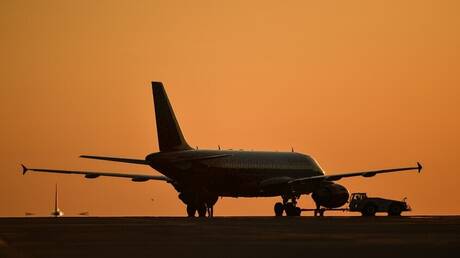
Oleg Panteliev, CEO of Aviaport, reported that the US-Israeli military operations against Iran have caused aircraft fuel prices to double in some countries. This significant increase comes amid rising geopolitical tensions worldwide, raising concerns among airlines and consumers alike.
Aircraft fuel prices are a key factor affecting the operational costs of airlines, and any increase in these prices can lead to higher air travel costs, negatively impacting both travelers and companies. As many countries strive to revive tourism after the COVID-19 pandemic, this increase could hinder those efforts.
Details of the Incident
Reports indicate that aircraft fuel prices have doubled in some markets, reflecting the direct impact of the military operations involving the United States and Israel against Iran. This operation, which began amid escalating tensions between Iran and the West, has significantly affected the stability of energy prices in the region.
Fuel prices are heavily influenced by geopolitical factors, as any escalation in military conflicts can lead to sharp price fluctuations. Data has shown that some countries have experienced increases of up to 100% in aircraft fuel prices, placing additional pressure on airlines.
Background & Context
The roots of tensions between Iran and the United States date back several decades, with relations deteriorating significantly after the US withdrawal from the Iranian nuclear deal in 2018. Since then, the US has imposed strict economic sanctions on Iran, exacerbating the economic and political situation in the country.
In recent years, Israel has increased its military activity against Iran, viewing Tehran as a threat to its national security. These military operations, which include airstrikes and cyberattacks, aim to undermine Iran's military capabilities, but they also impact the overall stability of the region.
Impact & Consequences
The effects of rising aircraft fuel prices extend beyond airlines, as they can lead to increased ticket prices, deterring many travelers from flying. This increase may also affect the tourism sector, which is a vital source of revenue for many countries.
Moreover, rising fuel prices can impact the global economy as high transportation costs may lead to increased prices for goods and services. This situation could contribute to worsening inflation in many countries, adding economic pressure on governments and citizens.
Regional Significance
The Arab region is experiencing direct effects from these events, as many countries rely on the aviation and tourism sectors as primary sources of revenue. With rising tensions in the region, these countries may find themselves in a difficult position, as tourists seek to avoid unstable areas.
Additionally, countries that rely on fuel imports will face further challenges, as rising prices may affect their public budgets. While these nations strive for economic stability, this price increase could hinder their efforts.
In conclusion, the situation in the region remains volatile, as any military escalation could lead to widespread economic repercussions. It is crucial for the concerned countries to closely monitor developments and take necessary actions to mitigate the effects of these crises on their populations and economies.