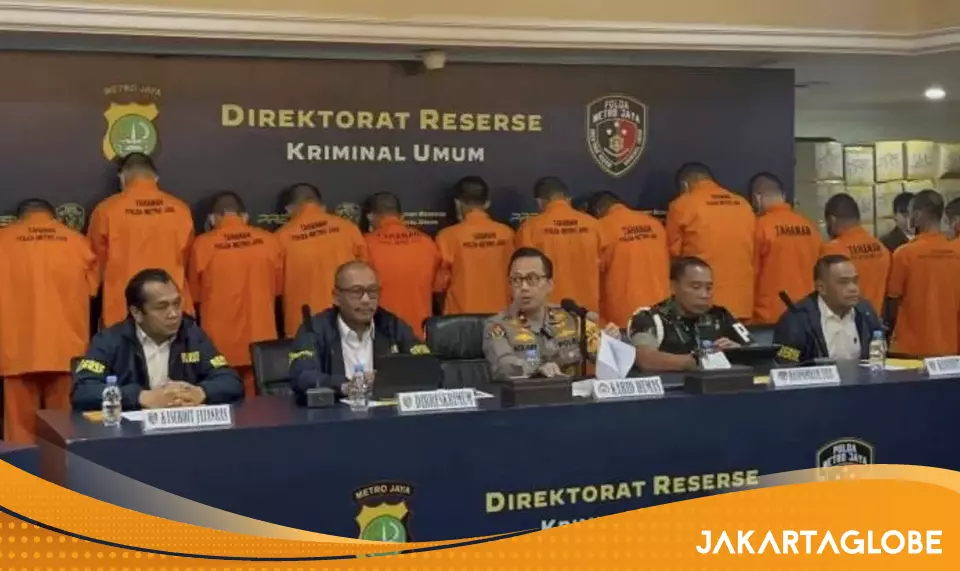
The first military trial in Indonesia regarding the murder of a bank branch president began today, with three soldiers from the Indonesian army facing charges. The trial, taking place at the Military Court II-08 in Jakarta, focuses on the details of the horrific crime that occurred last August.
The case involves a bank branch president known by the initials MIP, who disappeared on August 20, 2025, only to have his body discovered two days later in a remote area. Details of the crime, which include his kidnapping and murder, have raised widespread concern within Indonesian society.
Details of the Incident
During the first session, the military prosecutor read the indictment, presenting the three accused: Serka MN, Kopda FN, and Serka FY. They are facing multiple charges, including premeditated murder and kidnapping.
The charges against the defendants include allegations of planned murder, as they are accused of participating in the kidnapping that led to the victim's death. It has been emphasized that the trial will be conducted fairly and transparently, as stated by the court spokesperson.
Background & Context
This case is considered one of the most controversial in Indonesia, reflecting tensions between the military and civil society. Historically, Indonesia has witnessed numerous incidents involving the abuse of power by military personnel, which heightens the sensitivity surrounding this case.
The trial comes at a critical time for Indonesia, as the government seeks to enhance the rule of law and affirm judicial independence. This case could serve as a real test of the judicial system's ability to handle issues related to the military.
Impact & Consequences
If the defendants are convicted, it could have significant repercussions for the image of the Indonesian military and may lead to increased calls for reforms within the military institution. Additionally, this case could affect the relationship between the military and civil society, potentially escalating social tensions.
This case also presents an opportunity for the government to demonstrate its commitment to combating corruption and the abuse of power. If handled transparently, it could enhance public trust in the judicial system.
Regional Significance
This case exemplifies the challenges faced by countries in promoting the rule of law and human rights. In the Arab region, there are many similar cases where military authorities face criticism for human rights violations.
This case could serve as a lesson for Arab countries on the importance of transparency and accountability within military institutions, as fostering trust between citizens and authorities is essential for achieving social and political stability.
In conclusion, this case remains in the spotlight, as the trial's outcomes will determine the course of relations between the military and society in Indonesia, and it may have broader implications for the region.