Historical experiences show that military victories can be deceptive, leading to devastating defeats. A famous saying attributed to Chinese leader Mao Zedong states, "Victory after victory until you reach the point of defeat." This saying encapsulates the trajectory of many military leaders, including Adolf Hitler, who experienced successive victories between 1939 and 1942 before facing a sharp decline thereafter.
At the beginning of World War II, Hitler achieved rapid victories on multiple fronts, leading him to believe that he was invincible. However, these victories were merely the beginning of a treacherous path, as Hitler collided with the Soviet rock with the onset of battles on Russian soil.
Details of the Event
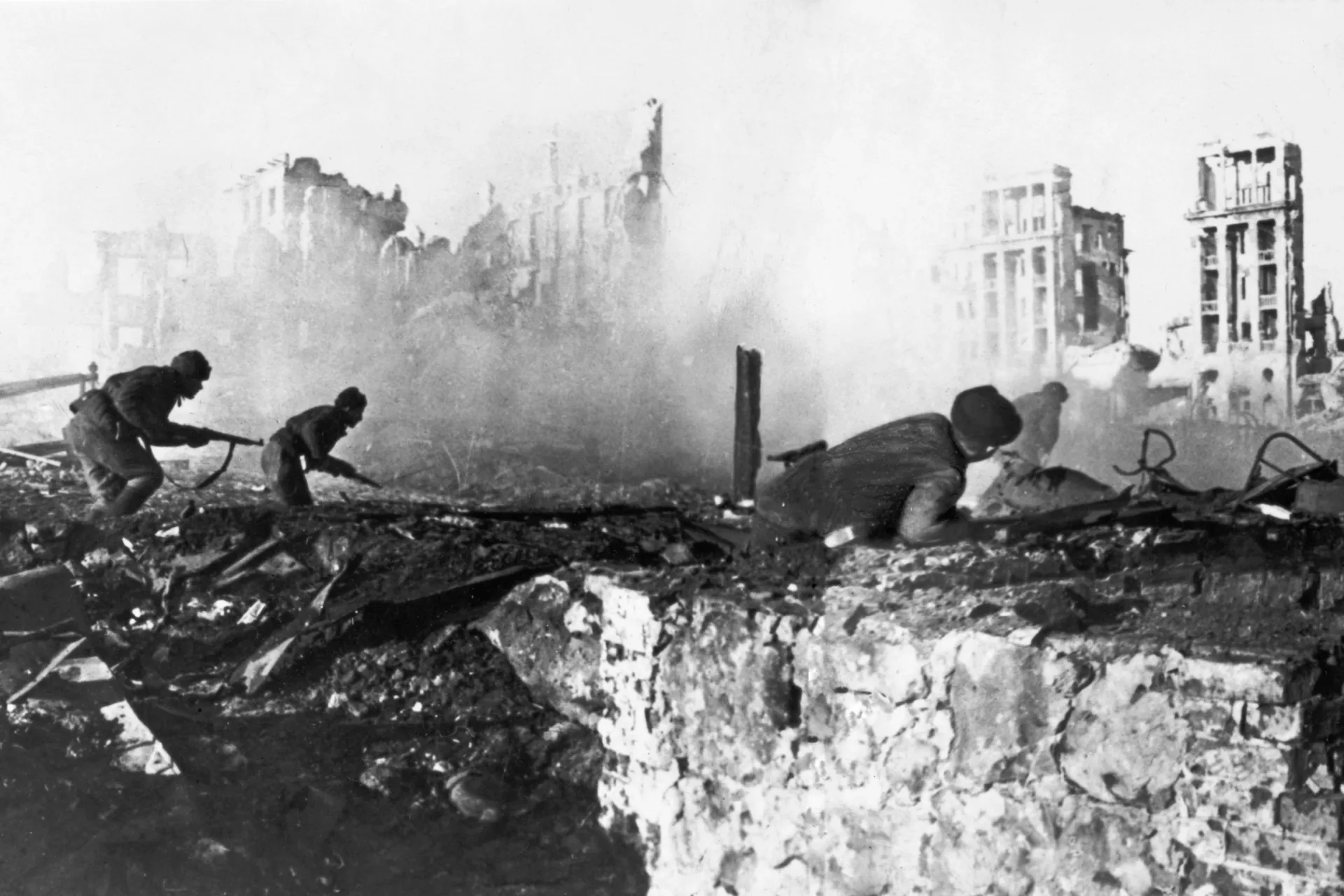
The Battle of Stalingrad, which began in August 1942 and ended in February 1943, is one of the most prominent battles that showcased the shift in the course of the war. This battle was a critical turning point, where Nazi forces suffered heavy losses, leading to their retreat on the Eastern Front. Although Hitler had achieved significant victories initially, this battle marked the beginning of the end for his military ambitions.
During this period, Hitler employed bold military strategies, but they were based on erroneous assessments of the enemy's strength. As pressure mounted from Soviet forces, the Nazi army began to collapse, resulting in a massive decline in its military capabilities.
Background & Context
Historically, wars demonstrate that military victories can lead to arrogance and underestimating the enemy. In Hitler's case, his early victories bolstered his self-confidence, prompting him to make reckless military decisions. This phenomenon is not new; many wars throughout history have seen military leaders fall into the trap of successive victories.
World War II is considered one of the bloodiest wars in history, witnessing conflicts between great powers. Although Hitler had achieved significant victories at the outset, these victories were not enough to ensure continued success.
Impact & Consequences
Hitler's defeat at Stalingrad significantly influenced the course of World War II. It led to a shift in the balance of power in Europe, as Soviet forces began to reclaim lost territories. This defeat also had psychological repercussions on the Nazi army, affecting soldiers' morale and leading to a decline in confidence in leadership.
Moreover, this defeat served as a warning to military leaders worldwide, demonstrating that successive victories can be a double-edged sword. It prompted a reevaluation of their military strategies and a caution against falling into the trap of arrogance.
Regional Significance
Hitler's experience underscores the importance of balance in military decision-making, a lesson that can be applied in Arab contexts. Many conflicts in the region have seen military leaders fall into the trap of successive victories, leading to deteriorating situations. Understanding these dynamics can help avoid historical mistakes.
Ultimately, Hitler's experience remains an important lesson in military history, illustrating that victories are not always a sign of sustainable success but can signify the beginning of the end.