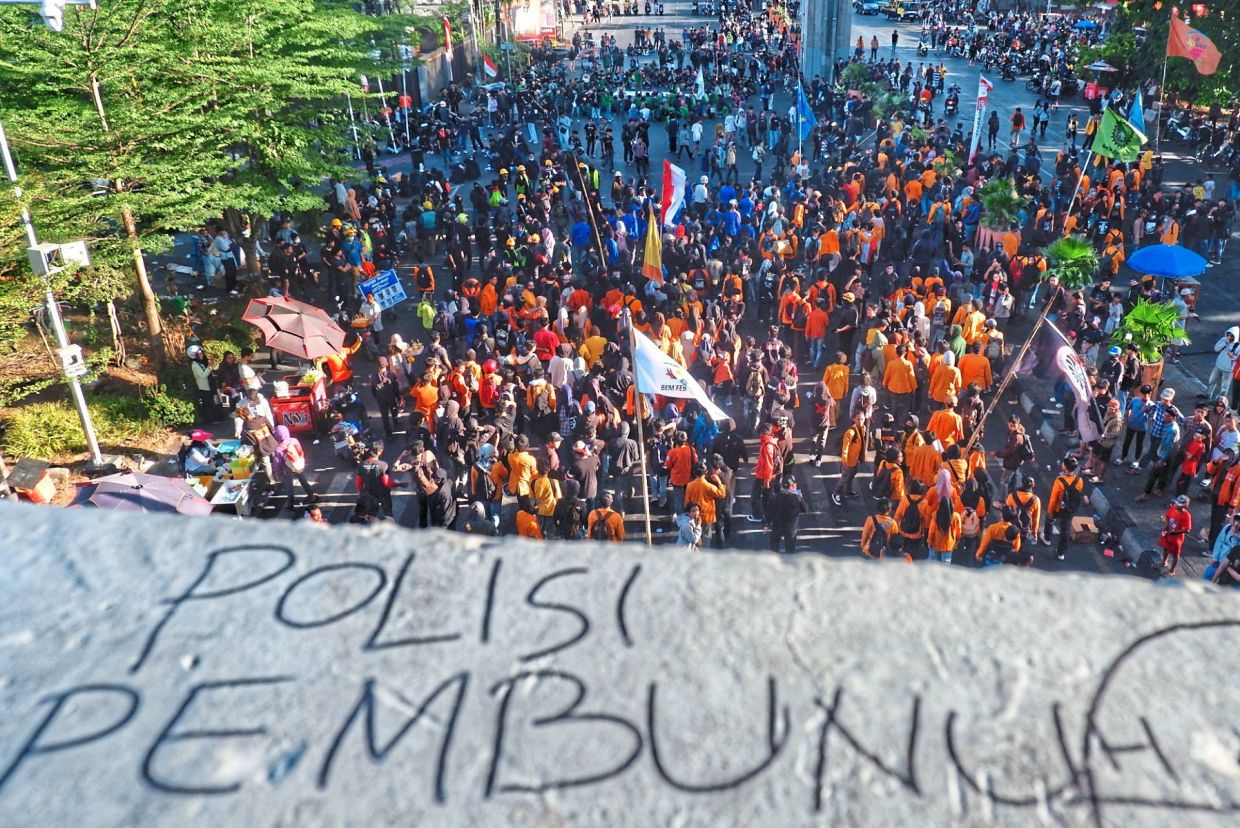
Protests led by the millennial generation are accelerating worldwide, showcasing a strong desire among youth from Indonesia to Nepal and Europe to reshape the existing political system. These protests reflect young people's dissatisfaction with traditional systems and demand a new political map that addresses their needs and aspirations.
In recent years, we have witnessed a rise in youth-led protest movements, with millions taking to the streets demanding change. These movements are not confined to a specific region but encompass multiple countries, reflecting a global crisis of trust in traditional political systems.
Details of the Protests
The millennial protests are characterized by diversity and inclusivity, addressing multiple issues such as social justice, climate change, and human rights. In Indonesia, for example, youth have protested against corruption and mismanagement, while in Nepal, the demands have focused on improving economic conditions and enhancing democracy.
In Europe, we have also seen protest movements demanding climate justice, with young people expressing their concerns about the impact of climate change on their future. These protests demonstrate that the millennial generation is not only critical of the status quo but is also seeking to propose alternative solutions to current political systems.
Background & Context
Historically, representative democracy has been considered the ideal form of governance, but with the emergence of the millennial generation, this notion has come under scrutiny. The millennial generation, raised in the age of technology and communication, possesses new tools to express their opinions and demands, altering the nature of political protests.
Studies show that today's youth are more aware of global issues and more willing to take action for change. This increasing awareness comes at a time when many countries are suffering from economic and political crises, intensifying calls for change.
Impact & Consequences
These protests serve as a wake-up call for traditional political systems, indicating an urgent need to change policies and respond to youth demands. If governments do not address these demands, we may witness an escalation in protests and an increase in political instability.
Moreover, these movements could lead to the emergence of new forms of governance, where governments might adopt more inclusive and flexible policies that meet the needs of youth. This change could reshape the political landscape in many countries and affect international relations.
Regional Significance
In the Arab region, these protests represent an important lesson. In recent years, we have witnessed similar protest movements, such as the Arab Spring, which demonstrated the power of youth in changing regimes. If these movements continue to grow, they could lead to radical changes in Arab political systems.
These protests show that Arab youth are also seeking change and demanding their basic rights. If governments do not respond to youth demands, we may see an escalation of protests in the region, potentially leading to greater political instability.
In conclusion, the protests led by the millennial generation represent a turning point in global politics. It requires governments to be more responsive to youth demands and to work towards achieving the necessary change to ensure a sustainable future.