Foreign ministers from Saudi Arabia, Egypt, and Turkey convened today in the Pakistani capital of Islamabad, in a meeting aimed at engaging in in-depth discussions on ways to reduce the rising tensions in the region. This meeting takes place at a sensitive time, as military actions are escalating in several countries, heightening fears of an expansion of conflicts.
In a related context, Saudi air defenses detected five drones and a ballistic missile launched towards the Riyadh area, where the official spokesman for the Ministry of Defense, Major General Turki Al-Maliki, announced the successful interception and destruction of these threats. Additionally, Kuwait International Airport experienced several drone attacks, resulting in significant damage to the radar system, though no human casualties were reported.
Event Details
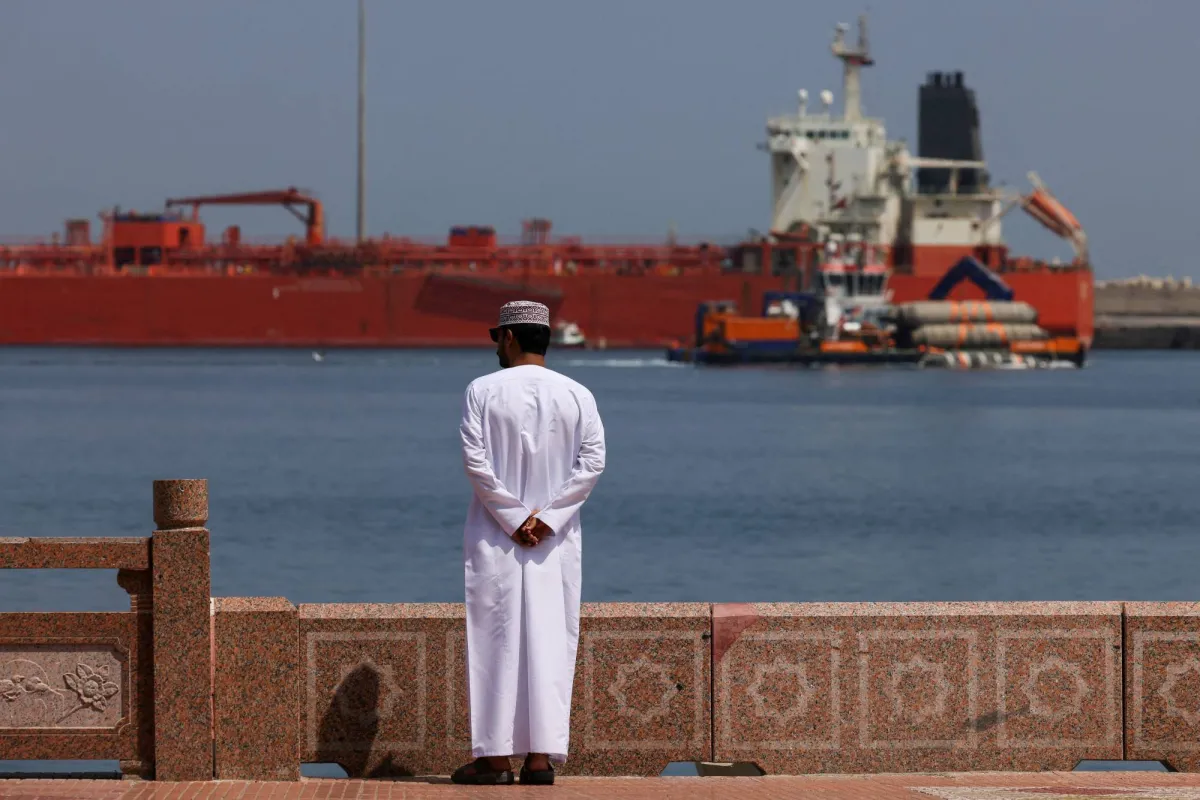
Meanwhile, the United Arab Emirates reported that six people were injured due to shrapnel falling in the vicinity of the Khalifa Economic Zones in Abu Dhabi, following the interception of a ballistic missile. The Port of Salalah in Oman was also attacked by two drones, causing limited damage to one of the cranes. In Bahrain, civil defense forces managed to control a fire that broke out at one of the facilities.
On the military front, U.S. President Donald Trump has reinforced the American military presence in the Gulf, with additional naval vessels and troops being sent. According to reports from the Wall Street Journal, the Pentagon is considering deploying an additional 10,000 troops to the region, joining approximately 5,000 Marines and 2,000 paratroopers from the 82nd Airborne Division.
Background & Context
These developments come amidst rising tensions between the United States and Iran, with Iran leveraging the Houthi card in the ongoing conflict, as the group announced the launch of a batch of missiles towards Israel. In response, Israel reported intercepting a missile and a drone coming from Yemen, with no damage recorded.
In this context, the Iranian Revolutionary Guard threatened to target American universities in the Middle East, following reports that American and Israeli strikes had destroyed two universities in Iran. The Revolutionary Guard issued a statement warning American university staff, professors, and students against approaching universities that may be targeted.
Impact & Consequences
In a diplomatic move, Pakistani Foreign Minister Ishaq Dar announced that Iran has agreed to allow additional ships flying the Pakistani flag to transit through the Strait of Hormuz, with two ships crossing daily. Dar described this decision as "a good omen for peace," emphasizing that dialogue and diplomacy are the only way forward.
Pakistan, which shares a border with Iran of approximately 900 kilometers, is considered an important mediator amid growing concerns about the escalation of war between the United States and Iran. The U.S.-Israeli conflict over Iran has led to a near-total halt in shipping traffic in the strait, but Iran has confirmed that "non-hostile ships" can pass if they coordinate with Iranian authorities.
Regional Significance
Concerns are rising in the Arab region regarding the implications of military escalation in the Gulf, as these events could exacerbate humanitarian and economic conditions. Moreover, military tensions may impact trade and shipping movements, increasing the economic challenges faced by Arab countries.
In conclusion, the situation in the region remains complex, with military and political dimensions intertwining, necessitating intensive diplomatic efforts to de-escalate and achieve stability.