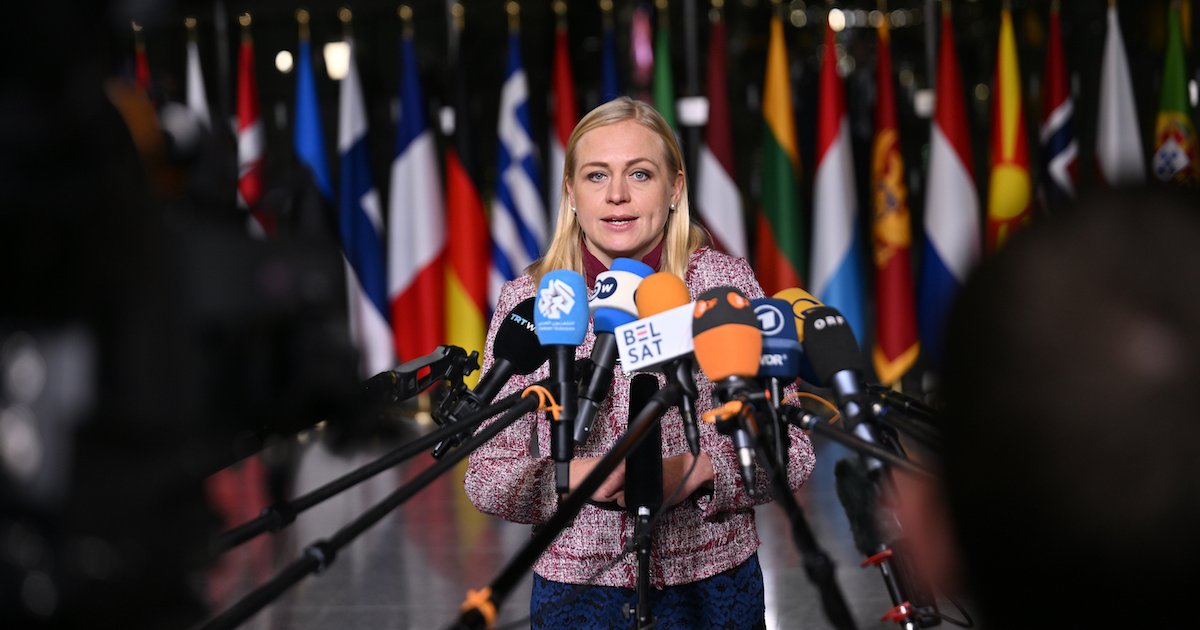
Foreign ministers from eight countries, namely the UAE, Jordan, Turkey, Egypt, Indonesia, Pakistan, Saudi Arabia, and Qatar, held a joint meeting where they reaffirmed the significance of regional cooperation in confronting common challenges. The meeting, conducted via video conferencing, occurred at a time when the region is grappling with multiple crises that necessitate greater coordination among nations.
In a joint statement, the ministers emphasized the need to strengthen bilateral and multilateral relations, highlighting the importance of collective action to address political, economic, and security challenges. They also stressed the necessity of dialogue and understanding among countries to achieve stability in the region.
Details of the Meeting
During the meeting, a range of critical issues was discussed, including the situations in Palestine, Syria, and Libya. The ministers expressed their concerns regarding the recent escalations in these areas. They reiterated the need to support peace and reconciliation efforts in these countries.
The economic issues were also addressed, with the ministers calling for enhanced trade and investment cooperation among the eight nations, emphasizing the importance of achieving sustainable development and creating job opportunities for youth.
Background & Context
This initiative comes amid rising tensions in the region, where many countries face economic and security challenges. Recent years have witnessed an escalation in armed conflicts and humanitarian crises, necessitating a concerted effort from both regional and international actors.
Historically, these countries have worked to foster cooperation among themselves, but current challenges demand a more effective and coordinated response. The meeting represents an opportunity to renew the commitment to regional cooperation and strengthen relations among the nations.
Impact & Consequences
This meeting is expected to enhance cooperation among the participating countries, potentially leading to improved economic and security conditions in the region. Furthermore, coordination among these nations may assist in finding solutions to ongoing crises.
Additionally, this meeting could have a positive impact on relations between Arab countries and other nations, reflecting a desire among these states to work together to tackle shared challenges.
Regional Significance
This meeting is considered a significant step towards enhancing Arab unity, reflecting a trend towards cooperation and solidarity among Arab nations. Given the current circumstances, strengthening relations among Arab countries could contribute to achieving stability and development in the region.
In conclusion, this meeting represents an opportunity to renew the commitment to regional cooperation, reflecting the countries' desire to work together to address the challenges facing the region.